0 A Guide for Retired Seniors Considering Going Back to School | Tips and Advice
- Enjoying Senior Life
- Author Mary Shannon
- 12-29-2025

A Guide for Retired Seniors Considering Going Back to School | Tips and Advice
~~~~~~~~~~~~~~
Give thyself time to learn something new and good,
and cease to be whirled around.
Marcus Aurelius,
Roman emperor, Stoic philosopher
~~~~~~~~~~~~~~
Many retired seniors consider returning to school as a way to stay mentally sharp, expand social connections, or finally explore a subject they never had time for earlier in life. The idea can feel exciting—and a little intimidating. The good news? Education in retirement doesn’t have to be overwhelming or all-consuming.
With the right planning, learning in later life can be deeply fulfilling, flexible, and surprisingly fun. This guide walks through the academic, financial, and personal factors worth considering before enrolling, so you can choose an experience that truly fits your lifestyle.
Quick Summary
Returning to school in retirement works best when seniors select programs that align with their interests, energy level, and personal goals. Thoughtful planning around pace, finances, and support systems can turn learning into one of the most rewarding chapters of later life.
Key Questions to Ask Before Going Back to School
Before enrolling, take a moment to reflect on what you want out of the experience. This brief self-audit can help clarify your direction.
1. Why now?
Are you learning for personal enrichment, intellectual stimulation, volunteer work, or a new career path? Defining your motivation helps guide program selection.
2. What’s my energy bandwidth?
Are you comfortable with weekly assignments, reading, or deadlines? Some retirees thrive with structure, while others prefer lighter commitments.
3. How do I learn best?
Would you enjoy in-person discussions, online courses, or a hybrid format? Learning style matters more than ever.
4. What’s my financial comfort zone?
Tuition is only part of the equation—books, supplies, and technology should also be factored in.
5. Is my environment supportive?
A quiet study space, encouragement from family, and reliable technology can make a big difference.
6. What outcome would make this worthwhile?
A certificate, a degree, new friendships, or simply the joy of learning? Success looks different for everyone.


Content Marketing Offers the Highest Return On Investment
Online, or content marketing and advertising, is currently the second-highest method of promoting businesses, following only Television, which, for now, remains in the number one position. Experts have predicted that digital ads will surpass TV by 2025 and not look back. For cost-effectiveness and the ability to directly target your audience, nothing matches the ROI of digital marketing. Learn More

Digital Marketing Offers Three Opportunities To Reach Your Audience
Studies show that the majority of people will use their phones to search for content that addresses their current needs and then switch to their computers for more in-depth research before making final decisions or purchases. With three different platforms, computers, tablets, and phones, it is important to make sure your audience can follow your content and ads on any device. The upside to this is that you have three opportunities to reach them. All of our Websites are developed to work flawlessly on all three platforms. Learn More
What Often Surprises Older Learners

For many seniors, returning to school isn’t about “starting over.” It’s about building on a lifetime of experience. Without the pressure of grades defining future careers, learning often feels richer and more meaningful. Many retired students find they participate more confidently, ask better questions, and enjoy the process far more than they did earlier in life.
The Economics of Education in Retirement
Cost is a common concern, but education in retirement is often more affordable than expected.
- Reduced or waived tuition: Many colleges offer discounts or free classes for adults 60+.
- Modest technology investments: A dependable computer and internet access usually cover most needs.
- Financial aid still applies: Grants, scholarships, and payment plans are often age-neutral.
- Lower textbook costs: Libraries, digital rentals, and open-source materials help manage expenses.
- Minor extra fees: Parking, software, or tutoring may add small costs, but they’re rarely prohibitive.
Online Learning and Flexible Degree Options
For retirees seeking flexibility, online education can be an ideal fit. Online programs allow you to study at your own pace, revisit recorded lectures, and balance coursework with travel, family time, or health needs.
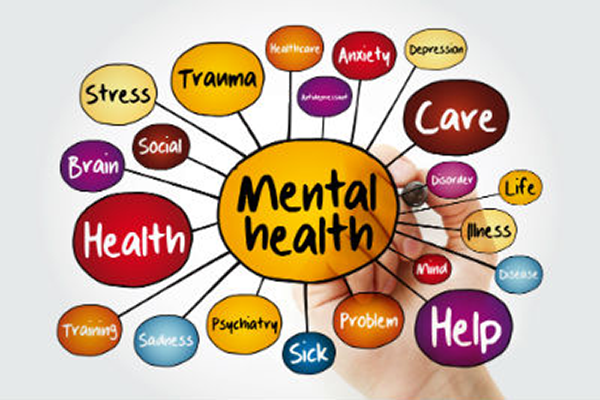
Some seniors explore subjects like psychology, history, writing, or social sciences—fields that encourage reflection, communication, and personal growth. Studying areas such as psychology can also provide insight into human behavior and emotional well-being, knowledge that many retirees use in volunteer roles, caregiving, or community involvement.
How to Create a Smooth Re-Entry Plan
Step 1: Start small
Begin with one course or a short seminar to test your interest and stamina.
Step 2: Schedule consistent study time
Even two focused sessions per week can build confidence and momentum.
Step 3: Use campus support services
Orientation sessions, tech help, and library workshops are designed to help adult learners succeed.
Step 4: Build connections early
Introduce yourself to instructors and classmates. Older learners often enrich discussions with a real-world perspective.
Step 5: Reassess after the first term
Adjust course load or format as needed. Flexibility is part of the process.
Frequently Asked Questions
Do I need placement tests?
Sometimes. Community colleges may request math or writing assessments, but alternatives are often available for returning students.
Is learning harder later in life?
The pace may feel different, but seniors bring patience, focus, and life experience that enhance learning.
How do I manage health needs alongside coursework?
Most institutions are happy to provide accommodations—just communicate early.
Will I feel out of place?
Most retired students report the opposite. Age diversity often strengthens classroom conversations.
Final Thoughts
Going back to school in retirement isn’t about proving anything—it’s about curiosity, connection, and continued growth. With thoughtful planning and the right program, learning in later life can become one of the most meaningful and enjoyable experiences of retirement. Education doesn’t have an age limit—it simply evolves with you.
Header Image Generated by AI
Content Image From: Freepik
A special thank you to Mary Shannon at SeniorsMeet.org for contributing this article.
Discover the secrets to aging gracefully and living your best life with Enjoying Aging– your ultimate resource for health, wellness, and financial wisdom tailored for the ‘Fun After 50’ crowd!
If you enjoyed this article or have a topic you would like to suggest for a new article, please leave a comment in the form below.