
Fun After 50
Resources for Boomers
Interactive Blogs
Games and Trivia
Mind and Body Fitness
Resources for Boomers
Interactive Blogs
Games and Trivia
Mind and Body Fitness
Aging is Inevitable,
Enjoying Aging is Essential!
Aging is Inevitable,
Enjoying Aging is Essential!
Blog Posts

0 Caregiving Doesn’t Have to Mean Burnout
Caregiving Doesn’t Have to Mean Burnout Caring for an older adult while juggling work, family, and personal commitments can feel like trying to keep ten plates spinning at once. The responsibilities of—medical appointments, medications, meals, household tasks, and emotional support—can build quickly and leave even the most organized caregiver feeling overwhelmed. But with the right structure, a strong support system, and a few intentional lifestyle shifts, you can create a sustainable routine that protects your wellbeing while ensuring high-quality care for your loved one. Key Takeaways for Quick Reading Build a flexible, prioritized schedule (rigid systems break quickly). Lean on support systems—family, friends, community services, and workplace benefits. Add micro-moments of rest throughout your day. Use caregiver tools, apps, and programs designed to ease the workload. Invest in education or training that strengthens both caregiving and career skills. How to Regain Control of Your Time 1. Prioritize daily tasks by what’s most important. Center your day around essential caregiving activities—medications, meals, hygiene—and schedule other tasks around those anchors. Delegate or delay anything non-urgent. 2. Plan weekly “anchors.” Choose three commitments you’ll hold steady each week: One for work (e.g., a standing team check-in) One for caregiving (like medical appointments) One just for you These simple touchpoints create stability in an otherwise fluid schedule. 3. Batch similar tasks. Put errands, phone calls, emails, and online tasks into clusters. This reduces mental fatigue and helps you stay focused. 4. Share responsibilities. Even delegating a 10–15 minute task—like picking up a prescription or prepping a meal—can meaningfully reduce your cognitive load. 5. Create a “reset ritual.” A short walk, a breathing exercise, or a cup of tea can help you mentally shift between your roles as caregiver, employee, and human being. Enjoying Senior Living Find a Senior Living Facility Near You. Click On Your State To View Listings in Your Area. Find a Community Near You Content Marketing Offers the Highest Return On Investment Online, or content marketing and advertising, is currently the second-highest method of promoting businesses, following only Television, which, for now, remains in the number one position. Experts have predicted that digital ads will surpass TV by 2025 and not look back. For cost-effectiveness and the ability to directly target your audience, nothing matches the ROI of digital marketing. Learn More Digital Marketing Offers Three Opportunities To Reach Your Audience Studies show that the majority of people will use their phones to search for content that addresses their current needs and then switch to their computers for more in-depth research before making final decisions or purchases. With three different platforms, computers, tablets, and phones, it is important to make sure your audience can follow your content and ads on any device. The upside to this is that you have three opportunities to reach them. All of our Websites are developed to work flawlessly on all three platforms. Learn More Education for Empowered Caregiving For caregivers interested in both personal and professional growth, continuing education can be transformative. Programs that blend health administration, leadership, and care coordination offer skills that help you manage complex responsibilities and open doors to career advancement. Many universities now offer flexible online degrees designed specifically for working adults—including caregivers. These programs help you build administrative, communication, and leadership skills that support your caregiving role while expanding long-term career opportunities. If you’re exploring options, look into accredited online healthcare management degrees that accommodate real-world schedules. Build Your Personal System of Support You don’t have to shoulder caregiving alone. A few strategic moves can make your days more manageable: Use community resources. Respite care, transportation services, and in-home assistance can lighten your daily load. Talk to your employer. Many workplaces now offer caregiver benefits, including flexible scheduling or Employee Assistance Programs (EAPs). Lean on technology. Medication reminders, smart home devices, and caregiving apps provide structure and stress relief. Communicate with family. Share schedules, assign tasks, and collaborate transparently to reduce friction and avoid burnout. Managing Stress and Preserving Wellbeing Take five slow, deep breaths before responding to a request. Keep water nearby to stay hydrated. Step outside for fresh air at least once a day. Use short audio meditations, a calming or favorite playlist, or nature sounds to reset your mind. Write down one daily “win” or gratitude per day—big or small. Set a personal “shutdown time” for work tasks. Resource Spotlight: Finding Strength and Community You don’t have to navigate caregiving alone. 211.org provides practical guides, support groups, and emotional health resources—ideal for caregivers who need both guidance and a sense of community. It’s a trusted space to learn, connect, and recharge. FAQ: Common Questions from Caregivers Q1: How can I talk to my employer about caregiving without fear of bias? Emphasize your reliability and come prepared with solutions, such as flexible hours, remote check-ins, or adjusted deadlines that ensure you can continue performing at a high level. Q2: What’s the best way to manage caregiver guilt? Remember that guilt is often a sign of caring deeply, not failing. Rest, breaks for personal time, and delegation of workload help improve the quality of care you provide over the long term. Q3: When should I consider outside help? If you’re consistently losing sleep, missing work obligations, or struggling to keep appointments, it’s time to look into respite care, home health aides, or adult day services. Q4: How do I prevent burnout when there’s no one else to help? Set realistic daily limits, automate repetitive tasks, simplify your environment, and intentionally weave small moments of joy into your day. Contacting a friend or getting 10 minutes of sunlight can be a much-needed respite. Closing Thoughts Caregiving is a long-distance journey. Balance isn’t about doing everything—it’s about doing what matters most with clarity, compassion, and the right support. When you share responsibilities, use available tools, and prioritize your health, you create a sustainable caregiving rhythm that benefits both you and your loved one. Remember: you’re not just a caregiver—you’re the steady force that keeps life moving forward, and you deserve care, too. Header Image via Pexels Caregiver Image Generated by AI A special thank you to Arthur Lloyd at grayhairedlife.com for contributing this article. Discover the secrets to aging gracefully and living your best life with Enjoying Aging– your ultimate resource for health, wellness, and financial wisdom tailored for the ‘Fun After 50’ crowd! If you enjoyed this article or have a topic you would like to suggest for a new article, please leave a comment in the form below.

0 How To Manage Appointment Anxiety Over Doctors' Visits
How To Manage Appointment Anxiety Over Doctors' Visits While appointment anxiety can apply to various situations, such as job interviews, attorney consultations, financial advisors, and hair and nail salons, today we will focus primarily on doctor’s visits. Appointment anxiety before and during a doctor’s visit is far more common than you may think. Nearly half of American adults (48%) reported feeling anxious before a doctor's appointment in a 2023 survey, an increase from (39%) the previous year. About two-thirds (69%) of people in another 2023 survey experienced anxiety about scheduling medical appointments of all types, including eye doctors, dentists, etc. This article addresses common appointment anxiety, not iatrophobia (fear of doctors), which may require a specific type of therapy. Many people feel their nerves spike in the days or hours leading up to an appointment, even for routine check-ups. It can show up as trouble sleeping, overthinking worst-case scenarios, physical tension, or even feeling tempted to cancel appointments due to fear, lack of preparation, or financial concerns. Doctor appointment anxiety can be broken down into manageable categories if you understand the root causes. You should not avoid medical care when you’re sick due to extreme anxiety or panic attacks. In most cases, your doctor will need to see you to perform a proper exam, but in some situations, you may be able to use Telemedicine or a video call over the phone, tablet, or computer. The following are a few ideas that can help you reduce or eliminate some of the fear and anxiety associated with upcoming appointments. First, What Is The Actual Fear? Appointment anxiety is usually not about the appointment itself, but about what you think might happen. The thoughts that run through your mind leading up to a doctor’s visit can cause you to experience physical and emotional distress. Here are some common feelings reported by most people surveyed. What if they find something wrong? What if I forget what I meant to ask? What if they dismiss me or don’t listen? What if I seem like I’m overreacting? What if I waste their time? Once you know your version of the worry, you can: Prepare mentally so it feels less stressful. Build a simple toolkit to take to the appointment with you. Second, Normalize It Anxiety before medical appointments is often rooted in uncertainty, loss of control, or fear of bad news. Recognizing why your body is reacting can take some of the edge off and help you tone down the symptoms and cope with the fears. Third, Prepare In Advance Enjoying Senior Living Find a Senior Living Facility Near You. Click On Your State To View Listings in Your Area. Find a Community Near You Content Marketing Offers the Highest Return On Investment Online, or content marketing and advertising, is currently the second-highest method of promoting businesses, following only Television, which, for now, remains in the number one position. Experts have predicted that digital ads will surpass TV by 2025 and not look back. For cost-effectiveness and the ability to directly target your audience, nothing matches the ROI of digital marketing. Learn More Digital Marketing Offers Three Opportunities To Reach Your Audience Studies show that the majority of people will use their phones to search for content that addresses their current needs and then switch to their computers for more in-depth research before making final decisions or purchases. With three different platforms, computers, tablets, and phones, it is important to make sure your audience can follow your content and ads on any device. The upside to this is you have three opportunities to reach them. All of our Websites are developed to work flawlessly on all three platforms. Learn More Write down symptoms, questions, and concerns so you don’t have to rely on memory. Bring a notebook or use your phone to write down or record the doctor's answers. Decide what’s most important to share, so you leave with a sense of being heard. Fourth, Reframe The Visit Have a positive mindset going into the appointment, knowing that you are taking steps to improve your health and well-being. Trust that the doctor has your best interests at heart and is there to provide guidance and support. Remember that it is okay to not have all the answers and that it is a process of working together to find solutions. Let go of any preconceived notions or anxiety about the appointment and focus on being open and honest about your concerns. Embrace the opportunity to work with a healthcare professional to achieve a positive outcome together. Try to view the appointment as a collaborative check-in rather than a test you can pass or fail. Remind yourself that doctors are there to help, not to judge. Remember that these are humans just like you, and many have already experienced the problems you’re there to discuss. Expect empathy and compassion, and stop looking for scenarios that don’t exist. Fifth, Anxiety Management Tools Practice grounding techniques (e.g., name 5 things you can see, 4 things you can touch, 3 things you can hear, 2 things you can smell, and 1 thing you can taste. Breathing exercises: slow, deep breaths in through the nose, longer exhale through the mouth. Listen to calming music or a podcast on the way there to occupy your mind. Sixth, Bring Support If Possible Having a support person with you can help alleviate any anxiety or fear you may be experiencing. They can provide emotional support, ask questions that you may not think of, and help you remember important information that the healthcare provider discusses. Bringing a loved one with you can help ensure that you fully understand the treatment plan and any instructions given by the healthcare provider. They can help advocate for you and ensure that your needs and concerns are addressed during the appointment. Overall, having a trusted family member or friend with you during medical appointments can provide comfort, support, and assistance in understanding and navigating the healthcare system. It can help you feel more confident and empowered in managing your health and well-being. Having a trusted family member or friend with you can reduce the sense of being alone. Whether they enter the office with you or not is strictly up to you, but most practices have no problem with spouses or friends attending the visit together, especially with older couples. They fully understand that two minds, or memories, are better than one and are happy to take the time to explain their diagnosis in full detail. Seventh, Plan A Reward Having something to look forward to after a visit, like treating yourself to your favorite snack, going for a walk in nature, or having a call with a friend, can help boost your mood and make the experience more enjoyable. It's important to take care of yourself and show yourself some love after completing a task or appointment. Rewarding yourself with an activity that brings you joy is a great way to celebrate your accomplishments and recharge your mental energy. It's all about finding balance and making self-care a priority in your daily routine. Plan a practical, ready-to-use, step-by-step routine you can follow the day before and the day of an appointment to help manage the buildup of anxiety. Day Before — Prep To Reduce Uncertainty (30–45 Minutes) Collect Essentials (10–15 min) — Put together insurance cards, photo IDs, a list of medications (name, dose, when taken), allergy list, recent symptom notes, any test results, and prior visit notes. Write your Top 3 priorities to cover with the clinician (one short sentence each). Make Logistics Foolproof (5 min) — Confirm appointment time, address, parking/entrance, and how long it takes to get there. Set a phone reminder to leave with a 15–30 minute buffer. Practice A Short Calming Routine (10–15 min) — Try Box breathing: inhale 4s — hold 4s — exhale 4s — hold 4s. Repeat 4 times. Or try Progressive Muscle Relaxation (quick): tense each major muscle group 4 to 6 seconds each, then release (feet → calves → thighs → abdomen → shoulders → jaw). Sleep & Stimulant Plan — Cut caffeine mid-afternoon if you’re sensitive, avoid heavy alcohol before sleep, and aim for a relaxing wind-down (screens off 30–60 min before bedtime if possible). Pack A Comfort Bag — Include a folder and pen for notes, water, a light snack, a favorite book, headphones, a sweater, a phone charger, and anything that comforts you. Plan A Post-Visit Reward — Pick something simple and definite (favorite coffee, a walk, a show) to give your brain a positive outcome to anticipate. Morning Of — Set The Tone (30–60 Minutes) Give Yourself Extra Time — Wake up with 30–60 minutes of breathing room so you’re not rushed. Move Briefly (5–10 Min) — Gentle stretching or a short walk to lower adrenaline. Eat Something Light — Find something with low sugar but high in protein to steady blood sugar (helps reduce anxiety for many people). 5-Minute Calming Practice — Brief box breathing or 5-4-3-2-1 grounding (see below). Final Check — Glance at your Top 3 priorities list and place it at the top of your folder/phone notes. Place your comfort bag by the door. On The Way — Waiting Room — Manage Surges If Anxiety Rises — Use the 5-4-3-2-1 grounding method — name 5 things you can see, 4 things you can touch, 3 things you can hear, 2 things you can smell, and 1 thing you can taste. Use Distraction Tools — Calming tones or musical playlist, short podcast, crossword puzzle, or a breathing app. If You Want Company — Call or text your designated support person and ask for a quick voice check-in while you wait. During The Appointment — Stay In Control Open With A Brief Script (Helps Set Expectations) — Quick heads up: I get very anxious at appointments. I may need you to slow down or repeat things. My top concerns today are: 1) ___ 2) ___ 3) ____. Ask For Clarification If Anything Is Too Fast Or Confusing — Don’t be shy or embarrassed to ask for clarification. Say: Could you say that again more slowly, please? Or, can you write that down for me? Most medical practices have implemented some type of medical records program to record each patient visit. Confirm that you have access to those records so you can go back and read what was discussed during your visit. Take Notes, Or Ask If You Can Record The Visit (Ask Permission First) — If memory is a problem, say: May I record this visit so I don’t have to try to remember everything that was said? Could you summarize the key next steps, please? Again, most doctors are required to keep accurate notes of your visit in a patient portal, so make sure you can access it from home. If You’re Feeling Overwhelmed Mid-Visit — Ask for 1–2 minutes to regain your composure; practice 3 slow, deep breaths while the clinician waits, they’re used to pauses. If You Have A Panic Attack Or Big Spike Of Anxiety Ground + Breathe — Perform the 5-4-3-2-1 method, then box breathing (inhale 4s — hold 4s — exhale 4s — hold 4s), repeat until steadier. Sit Down — Loosen tight clothing, sip some water. Tell The Staff — I’m having a panic attack and need a few minutes. They can offer a quiet space if needed, but don’t be embarrassed to ask for what you need to help this pass. If Chest Pain, Fainting, Or Other Symptoms Occur — If you think you are having a medical emergency, seek immediate medical attention (call emergency services). After The Appointment — Consolidate & Reward Summarize Out Loud — So my next steps are ___, ___, and ___, is that right? (This reduces miscommunications.) Write or Voice-Memo The Key Actions — Follow-up appointments, tests, prescriptions, red-flag symptoms, etc. Reflect Briefly — What went well, what would you change next time (keeps you improving). Do The Reward You Planned — Positive reinforcement helps your brain re-learn that appointments aren’t only about stress. If the above information has helped, congratulations; however, if you are still experiencing difficulty, consider therapy or counseling. If anxiety before medical appointments is a persistent issue, seeking professional help from a therapist or counselor can provide strategies to manage and cope with anxiety. Remember that it's normal to feel anxious before medical appointments, but with the right strategies and support, you can learn to better manage your anxiety and navigate appointments with greater ease. Practicing relaxation techniques such as deep breathing, meditation, or visualization can help calm your nerves before and during the appointment. Taking care of your physical and mental health through exercise, healthy eating, and self-care can also help manage anxiety in the long term. If you’re one of the 1 in 2 American adults suffering from appointment anxiety, you know this is no laughing matter. Remember that the caregivers in the office are people just like you. They could be your neighbors, members of a local church, friends of a friend, or someone else. They are there to help you, not judge you, and genuinely care about your well-being. The office building is no different than any other building you’ve ever been to and has nothing in it intimidating or scary. Planning ahead can be all that is necessary to see you through your next, and all future doctors’ appointments. Discover the secrets to aging joyfully and living your best life with Enjoying Aging– your ultimate resource for health, wellness, and financial wisdom tailored for the ‘Fun After 50’ crowd! Header Image by Freepik Content Image by Freepik A special thank you to Rob Harris for contributing this article. If you enjoyed this article or have a topic you would like to suggest for a new article, please leave a comment in the form below.

0 Striking a Balance: 7 Tips for Caregivers of Seniors to Manage Work and Life
Images by Freepik & Pexels Striking a Balance: 7 Tips for Caregivers of Seniors to Manage Work and Life Caring for an elderly loved one while managing a career and personal life can feel like a juggling act that never ends. You might often find yourself torn between responsibilities, needing help to meet the needs of your senior relative, keeping up with professional demands, and carving out time for yourself. However, finding a balance that respects your personal goals, career aspirations, and the precious relationships that make life worth living is possible. Follow Enjoying Aging for more on this very important topic. 1. Establish Your Boundaries Setting clear boundaries is crucial in maintaining your sanity as a caregiver. Defining what you can do in your caregiving role and communicating these limits to family, friends, and colleagues is essential. For instance, you might decide not to answer work calls during the evenings dedicated to family time. Establishing these boundaries allows you to manage your time and responsibilities without overstretching, ensuring you remain effective and stress-free across all areas of your life. 2. Keep Your Career Goals in Mind Even as you attend to caregiving duties, keeping sight of your career objectives is vital. Don’t let your professional aspirations take a backseat. Set specific career goals and work toward them systematically. For example, you might target particular skills enhancements or promotions within your job. Focusing on your career reinforces your professional identity and ensures continuous personal growth, which is crucial to feeling fulfilled and balanced. 3. Advancing Your Career Through Online Education Obtaining a degree online can significantly improve your career opportunities. Pursuing a Master of Science in Nursing (MSN) can lead to careers in nursing informatics, advanced practice, education, or administration. This level of schooling enhances your professional skills. Online study lets you manage caregiving responsibilities while continuing your education. Gaining an MSN degree online means you can take on more fulfilling and broader roles in the healthcare field. These courses may also help you learn more about the issues your loved one is experiencing and better prepare you to meet their needs. 4. Nurture Relationships with Friends and Family Don’t overlook the importance of maintaining strong connections with friends and family. These relationships provide emotional support that is crucial for your well-being. Prioritize spending quality time with loved ones, a quick coffee meeting or a phone call can make a huge difference. These moments of connection can provide significant relief from the pressures of caregiving and work, replenishing your energy and spirit. Friends and family can also be one of your greatest assets. You never know when an emergency might arise and you need someone you can count on to step in and help out while you work through it. Enjoying Senior Living Find a Senior Living Facility Near You. Click On Your State To View Listings in Your Area. Find a Community Near You Content Marketing Offers the Highest Return On Investment Online, or content marketing and advertising, is currently the second-highest method of promoting businesses following only Television which, for now, remains in the number one position. Experts have predicted that digital ads will surpass TV by 2025 and not look back. For cost-effectiveness, and the ability to directly target your audience, nothing matches the ROI of digital marketing. Learn More Digital Marketing Offers Three Opportunities To Reach Your Audience Studies show that the majority of people will use their phones to search for content that addresses their current needs and then switch to their computers for more in-depth research before making final decisions or purchases. With three different platforms, computers, tablets, and phones, it is important to make sure your audience can follow your content and ads on any device. The upside to this is you have three opportunities to reach them. All of our Websites are developed to work flawlessly on all three platforms. Learn More 5. Learn to Say No One of the most empowering words in your vocabulary as a caregiver can be “no.” It’s essential to recognize that you can’t do everything for everyone. Saying no to requests that are too demanding or that conflict with your priorities is not only okay, it’s necessary for your health and well-being. This doesn’t mean you are letting people down; instead, you are setting realistic expectations about what you can manage, which is vital for maintaining balance. People usually understand what you are dealing with and will respect you more for keeping your responsibilities. True friends will never ask more of you than you can handle and will still be your friend even if you have to refuse their request from time to time. This doesn’t mean you can never say yes, only that you are managing your life on your terms. 6. Celebrate Small Victories In the world of caregiving and work, every little success counts. Whether it’s a slight improvement in your loved one’s health or a positive review at work, take time to celebrate these achievements. These moments of joy contribute to a sense of accomplishment and can significantly boost your morale. Acknowledging and celebrating small victories helps you maintain a positive outlook, even on more challenging days. 7. Plan for the Future Planning reduces the stress you can experience from juggling caregiving and other responsibilities. Consider your future needs and those of the person you are caring for. Address financial planning to secure your financial well-being. Explore healthcare arrangements to ensure continuous care. Reflect on your career trajectory to maintain professional growth. Remember, you don’t have to do this alone; there are plenty of resources available to assist you in all phases of your journey so use them. Having a structured plan brings peace of mind and boosts your confidence in managing the complexities of your roles. As you tackle the challenges of balancing work, caregiving, and personal life, remember that this balance is essential for your happiness and effectiveness. Set clear boundaries to manage your roles efficiently. Continuously pursue career growth to ensure personal and professional fulfillment. Keep nurturing your relationships; they are your support network. By planning, you can navigate life's demands more smoothly and create a fulfilling existence. A special thank you to Mary Shannon at SeniorsMeet.org for contributing this article. If you enjoyed this article, or have a topic you would like to suggest for a new article, please leave a comment in the form below.
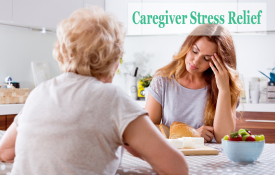
0 7 Crucial Self-Care Practices for Overwhelmed Caregivers
7 Crucial Self-Care Practices for Overwhelmed Caregivers Providing care for another person is one of the most important responsibilities you can have. Caring for others can give you a sense of pride and accomplishment but sadly, as Today's Caregiver notes, the weight of the duties can deteriorate a caregiver's health. The stress and burden of caring for a sick or aging loved one can be emotionally, mentally, and physically exhausting. This can lead to a caregiver feeling alone and unappreciated and the longer it goes unchecked the worse it can get. If you've recently become a caregiver, use these suggestions from Enjoying Aging for ways to refresh yourself and fulfill your obligations with joy. Maintaining a Regular Exercise Routine You can't give your best to your loved one when your health falters. Keep your energy levels high and your spirit rejuvenated by staying physically active. You may not be able to make room for a workout every day, but doing little things like taking the stairs instead of the elevator can help you stay in good shape. Lunch breaks are an excellent time to take a walk or a quick jog to get your blood flowing. Meditation is one of the best forms of stress relief and it can be performed almost anywhere. Put together a small bag with a squeeze ball, an elastic rope, small hand weights, etc., and keep it with you so you can exercise whenever you get a moment of free time. Adapting the Home for Ease of Care Keep the caregiving environment bright, open, and serene to preserve your emotional well-being. PureWow points out that a few mirrors can make rooms feel more spacious and reflect more light. Clearing untidy or cluttered areas makes finding things easier and lowers your stress level. Add a few houseplants to the home. Plants have a calming effect and help keep you in a nurturing mindset. Make Sure You Get Enough Sleep Practicing sound self-care starts with getting adequate sleep. Quality sleep ensures that your overall well-being is at an optimal level, which includes physical as well as mental health. If you have yet to do so, start a bedtime routine that includes relaxing activities like taking a warm bath, reading a book, and turning off the electronics. Also, set up your bedroom for optimal sleep with comfortable linens and other appealing options like artist-inspired all-cotton duvet covers. Look into soothing colors and calm patterns to set the stage for a good night's rest. Enjoying Senior Living Find a Senior Living Facility Near You. Click On Your State To View Listings in Your Area. Find a Community Near You Content Marketing Offers the Highest Return On Investment Online, or content marketing and advertising, is currently the second-highest method of promoting businesses following only Television which, for now, remains in the number one position. Experts have predicted that digital ads will surpass TV by 2025 and not look back. For cost-effectiveness, and the ability to directly target your audience, nothing matches the ROI of digital marketing. Learn More Digital Marketing Offers Three Opportunities To Reach Your Audience Studies show that the majority of people will use their phones to search for content that addresses their current needs and then switch to their computers for more in-depth research before making final decisions or purchases. With three different platforms, computers, tablets, and phones, it is important to make sure your audience can follow your content and ads on any device. The upside to this is you have three opportunities to reach them. All of our Websites are developed to work flawlessly on all three platforms. Learn More Joining a Support Group Commiserating with others who understand and recognize your struggles is an excellent way to get a load off your heart and mind. Online support groups offer the opportunity to share your feelings when exasperated. Imparting lessons you've learned with others helps you reflect on the good you've accomplished and gain a sense of pride in your valuable work as a caregiver. Look into therapy the moment you feel you're reaching a breaking point and other practical self-care tips aren't working. They say charity begins at home; and what better place to look for comfort and support than your family and friends? Often, all that is needed in the short term is an attentive listener or someone who has been through what you are experiencing. If you are not getting what you need at home most churches or local communities offer resources for help and you can usually find others there that are going through similar situations. In more extreme cases you may need to seek professional help but that is nothing to be ashamed of so don't convince yourself it will be alright when it really won't. They are called professionals for a reason and you should take advantage of the help they provide. Simplifying Your Life You have the same 168 hours a week as everyone else, so avoid trying to cram activities into every minute. Acknowledge that you won't have the time and circumstances to do what others in your peer group can. If you're like a lot of people you hate to say no to someone who cared enough to extend an invitation for dinner or a party. Learn to respectfully turn down invitations and requests that will only overwhelm you in the end. Where possible, automate tasks like bill payments and hire someone to clean the house or do the lawn. Self-Discipline and focus are the keys to success and if you are going to make major changes in your life so you can achieve your goals of simplification start by learning those two things first. Taking Breathers Find 10 to 15 minutes every couple of hours or so to take a break from your duties and refresh. A quick walk around the block or breathing exercises can recenter you and calm any feelings of anxiety. Don't leave breaks to chance. Schedule a bit of downtime and let it be known, respectfully, that you're briefly unavailable. Finding Professional Help The moment may come when your loved one needs more help than you can offer, such as round-the-clock care. Humbly realize the benefits of an assisted living community. An on-call nursing staff means you never have to worry about your relative being without assistance during an emergency. You can prosper mentally, emotionally, and physically while assisting a loved one. Carve out time to employ these ideas to preserve balance in your life. A special thank you to Sharon Wagner at seniorfriendly.info for contributing this article. If you enjoyed this article, or have a topic you would like to suggest for a new article, please leave a comment in the form below.

0 Reap the Mental Health Benefits of Pet Ownership as a Senior
Image by Pexels Images Reap the Mental Health Benefits of Pet Ownership as a Senior Growing old can be a difficult process, physically and mentally. For many, the golden years tend to become less golden as they age, and feelings of loneliness and isolation can be tough to battle. However, studies show that pets can significantly improve the mental, emotional, and physical health of seniors. In this article, Enjoying Aging explores how pets can do much more than just be our furry companions. Living a Purposeful Life One of the biggest challenges that seniors face is finding purpose and motivation in their daily activities. Particularly when they are retired, seniors can often feel unsure of how to fill their hours. Many feel uneasy or unfulfilled when they have nothing to do or can't contribute to society anymore. Having a pet can give seniors a sense of purpose, responsibility, and something to care for rather than sitting around feeling useless. By having a pet to care for, seniors can feel they are needed and that their life continues to hold value. Relief From Feelings of Loneliness and Isolation Another challenge that seniors often struggle to overcome is loneliness and isolation. When living alone, seniors can often feel that their world is small and insignificant, especially when their family and friends are busy or live far away. Pets provide them with constant companionship and can help to alleviate this feeling of loneliness. A pet's presence helps to create a more engaging home environment and provides seniors with someone to talk to and spend time with. Encouraging Being Active It's essential to keep the body and mind active when aging and some seniors lose interest in exercising or find it difficult to maintain a healthy routine. Pets, especially dogs, can help in this regard because they always need to exercise, and going for walks together can benefit both the owner and the pet. Walking a dog can promote physical activity, which is essential in preventing many age-related health issues, such as obesity and diabetes. A brisk morning and evening walk with your four-legged friend will not only provide both of you with much-needed exercise but also offer an opportunity to meet neighbors on a similar quest. Enhancing Social Interaction Pets can encourage social interaction with others, which is essential for any age group. They provide an excellent conversation starter and common ground for seniors, creating opportunities for socializing and meeting new people. Moreover, spending time with pets can also improve the mood of seniors, making them more positive Enjoying Senior Living Find a Senior Living Facility Near You. Click On Your State To View Listings in Your Area. Find a Community Near You Content Marketing Offers the Highest Return On Investment Online, or content marketing and advertising, is currently the second-highest method of promoting businesses following only Television which, for now, remains in the number one position. Experts have predicted that digital ads will surpass TV by 2025 and not look back. For cost-effectiveness, and the ability to directly target your audience, nothing matches the ROI of digital marketing. Learn More Digital Marketing Offers Three Opportunities To Reach Your Audience Studies show that the majority of people will use their phones to search for content that addresses their current needs and then switch to their computers for more in-depth research before making final decisions or purchases. With three different platforms, computers, tablets, and phones, it is important to make sure your audience can follow your content and ads on any device. The upside to this is you have three opportunities to reach them. All of our Websites are developed to work flawlessly on all three platforms. Learn More and happier socially. Another benefit of meeting other like-minded people is finding someone trustworthy to leave your companion with while you go off to take care of much-needed business. Having to worry about your pet while you're gone adds unnecessary stress and having someone you can trust to come and let your dog out at different times of the day can put your mind at ease. It can also give seniors a sense of purpose and responsibility if they are the ones asked for help by someone else in need. Providing Stress Relief It may seem odd to some that a retired person would experience stress; they no longer have the worries or pressures of work, right? Believe it or not, stress is just as prevalent in seniors as it is in any other age group. Pets, especially dogs, have been shown to have a healing effect on hospital patients and help speed up the recovery process. A major benefit of owning a pet is the stress-relieving effects a pet provides. Just by petting a dog or cat, seniors can instantly feel calmer and more relaxed. Pets Require Special Care and the Right Food We've talked a lot about the amazing benefits seniors receive from pet ownership but what about what they should do for them in return? Pets are an important part of our lives and they deserve special care. One way to show that we care is by purchasing the right food for them. Imagine your furry friend enjoying lip-smacking kibble dog food, it's a simple way to make them happy and healthy. Another thing we advise to have on hand at all times is treats. Find the right kind of treat for your companion and watch how they brighten up the darkest days. They are also an excellent training tool when trying to get them to mind you when you are out with other owners. Better Immune System Studies have found that owning pets promotes a better immune system. Seniors are especially susceptible to illness, and pets can provide a way to fight off sickness. Researchers have discovered that children who grew up with dogs and cats had a more robust immune system against allergies, and the same goes for seniors. Pets can expose seniors to different bacteria that can help to bolster their immune systems. However, this only applies if you are not already suffering from a weakened immune system. The human body has a remarkable way of fighting off viral and bacterial infections but like everything else, if the immune system becomes compromised it may not be able to cope. It is always best to keep your pet and your environment clean. Wash your hands after each time you play with your furry friend and never let your pet lick you on the mouth. Providing a Sense of Security Finally, owning a pet can provide a sense of security for seniors who live alone. Pets can act as home security systems or even as a companions during the night-time hours. Pets can have a significant impact on the mental, emotional, and physical health of seniors. They can provide a sense of purpose and responsibility, relieve stress, offer companionship, bolster the immune system, and help alleviate feelings of loneliness and isolation. Seniors can greatly benefit from owning a pet, and it's essential to consider the rewards of having these furry companions in their lives. Visit Enjoying Aging for a wide variety of articles and resources that matter to seniors! A special thank you to Lydia Chan at alzheimerscaregiver.net for contributing this article. If you enjoyed this article, or have a topic you would like to suggest for a new article, please leave a comment in the form below.

Mind Your Mental Health According to Psychology Today, anxiety and depression can manifest more prominently as we age, and if you're feeling unusually down or blue or worrying more than usual, ask for a consultation with a mental health care professional. There's no longer a stigma around seeking mental health treatment, and it is, in fact, a healthy way to ensure you're living your best life. You may be treated with medication, talk therapy, or even directed to take a more holistic approach by practicing meditation or other relaxation techniques. You may even just need some extra short-term TLC to get you through a rough patch. Being able to talk about your emotional and mental state will help you better identify the heart of the issue and be more proactive in addressing it. The older we get there is a greater chance of developing more serious conditions like Alzheimer's, Dementia, Parkinson's, etc., and the only way to know for sure is through tests. While anxiety and depression can have similar symptoms, only a mental health physician can tell if you are in the beginning stages of one of these diseases. They can also help you with getting your anxiety or depression under control and help you find the best remedies for either of these conditions. Knowing the symptoms is part of the cure and while this article is in no way considered an attempt to diagnose or offer a cure for any medical condition, seeing any of these signs is an indication that you should seek professional help. Signs of Anxiety Excessive and intrusive worrying that disrupts daily functioning, agitation, restlessness, fatigue, difficulty concentrating, irritability, tense muscles, and trouble sleeping. Signs of Depression Little interest or pleasure in doing things, feeling down, depressed, or hopeless, trouble falling or staying asleep, or sleeping too much, feeling tired or having little energy, poor appetite or overeating, feeling bad about yourself or that you are a failure or have let yourself or your family down, trouble concentrating on things, such as reading the newspaper or watching television. There is hope for those suffering from one of these debilitating diseases and a possible cure could be as simple as taking a pill once a day. Regardless of your diagnosis and treatment, the only way to know for certain is to visit a mental health care professional and see what test they recommend. It will be beneficial to you to take control of your mental health, but the true beneficiaries will be those around you. They show you how much they care by staying with you through these times; show them how much you care about them by seeking treatment. A special thank you to Mary Shannon at seniorsmeet.org for contributing to this article. Content Marketing Offers the Highest Return On Investment Online, or content marketing and advertising, is currently the second-highest method of promoting businesses following only Television which, for now, remains in the number one position. Experts have predicted that digital ads will surpass TV by 2025 and not look back. For cost-effectiveness, and the ability to directly target your audience, nothing matches the ROI of digital marketing. Learn More Digital Marketing Offers Three Opportunities To Reach Your Audience Studies show that the majority of people will use their phones to search for content that addresses their current needs and then switch to their computer for more in-depth research before making final decisions or purchases. With three different platforms, computers, tablets, and phones, it is important to make sure your audience can follow your content and ads on any device. The upside to this is you have three opportunities to reach them. All of our Websites are developed to work flawlessly on all three platforms. Learn More
Related Articles - Click an image below to view articles on the following topics.
The information appearing on this Web site is intended to provide information only. This information is advisory only and the visitor to this Web site assumes sole responsibility for any decisions made based upon its content. EA disclaims all warranties regarding such information, whether expressed or implied, including, but not limited to, any warranty as to the quality, accuracy, or suitability of this information for any particular purpose.
Contact Us with any comments, questions or concerns so we may better serve you.
HEALTH & WELLNESS
Vitamins
Health Foods
Mental Health
Health Care
Physical Fitness
ADDITIONAL RESOURCES
Enjoying Senior Living
Enjoying Senior Life
Newsletter Signup
Games and Trivia


