
Fun After 50
Resources for Boomers
Interactive Blogs
Games and Trivia
Mind and Body Fitness
Aging is Inevitable,
Enjoying Aging is Essential!
Blog Posts
Categories

0 Understanding the Real Differences Between Dementia and Alzheimer's Disease
Understanding the Real Differences Between Dementia and Alzheimer's Disease Estimated reading time: 12–15 minutes Introduction: Why Dementia and Alzheimer's Disease Are Often Confused If you've ever wondered, "What's the difference between dementia and Alzheimer's disease?" you're certainly not alone. These two terms are frequently used interchangeably, even by people who are familiar with the conditions. However, dementia and Alzheimer's disease are not the same thing. Understanding the difference between dementia and Alzheimer's disease is important because it can influence how someone is diagnosed, what treatments may be available, and how families prepare for the future. Perhaps you've noticed changes in your own memory, or maybe you've become concerned about an aging parent who seems increasingly forgetful. You might have questions about whether these changes are simply part of getting older or could indicate something more serious. Although occasional forgetfulness can be a normal part of aging, significant changes in memory, reasoning, communication, or everyday functioning deserve attention. Knowing what to look for can help you recognize when it's time to speak with a healthcare professional. This guide explains the differences between dementia and Alzheimer's disease, explores several other common types of dementia, and discusses symptoms, causes, diagnosis, treatment, and practical steps families can take. The goal is not to create unnecessary concern. Rather, it's to provide the knowledge you need to ask better questions, make informed decisions, and approach the future with greater confidence. 1. The Big Difference: What Is Dementia, and What Is Alzheimer's Disease? The easiest way to understand the difference between dementia and Alzheimer's disease is to think about categories. Dementia is an umbrella term describing a group of symptoms that interfere with a person's ability to think, remember, reason, communicate, and manage everyday activities. It is not a single disease. Alzheimer's disease, on the other hand, is a specific progressive brain disease that causes dementia symptoms as it advances. Enjoying Senior Living Find a Senior Living Facility Near You. Click On Your State To View Listings in Your Area. Find a Community Near You Content Marketing Offers the Highest Return On Investment Online content marketing and advertising is currently the second-highest method of promoting businesses, following only Television, which, for now, remains in the number one position. Experts predict digital ads will surpass TV and never look back. For cost-effectiveness and the ability to target your audience, nothing matches the ROI of digital marketing. Learn More Digital Marketing Offers Three Opportunities To Reach Your Audience Studies show that most people use their phones to search for content that addresses their current needs, then switch to their computers for more in-depth research before making a final decision or purchase. With three different platforms- computers, tablets, and phones- it is essential to ensure your audience can follow your content and ads on any device. The upside to this is that you have three opportunities to reach them. All of our Websites are developed to work flawlessly on all three platforms. Learn More Think of it this way: all apples are fruit, but not all fruit is an apple. Similarly, Alzheimer's disease can cause dementia, but not everyone who develops dementia has Alzheimer's disease. Dementia may affect several aspects of cognitive functioning, including: Memory: Forgetting recent conversations, appointments, or important information. Reasoning: Having difficulty understanding situations or making sound decisions. Communication: Struggling to find words, follow conversations, or express thoughts. Problem-solving: Having trouble completing familiar tasks or managing finances. Behavior: Experiencing changes in personality, judgment, or emotional responses. Daily functioning: Finding it increasingly difficult to manage household responsibilities, medications, or personal care. Alzheimer's disease is the most common cause of dementia, accounting for an estimated 60% to 80% of cases. This helps explain why people often confuse the two conditions. However, several other diseases and neurological conditions can produce dementia symptoms, and each may affect the brain differently. Understanding these distinctions is the first step toward recognizing why an accurate diagnosis matters. 2. The Major Types of Dementia Other Than Alzheimer's Although Alzheimer's disease receives considerable attention, it is important to recognize that it is not the only condition responsible for dementia. Some of the other major forms include vascular dementia, Lewy body dementia, frontotemporal dementia, and mixed dementia. Each has different underlying causes and may produce a somewhat different combination of symptoms. Vascular Dementia Vascular dementia develops when damage to blood vessels interferes with the delivery of sufficient blood and oxygen to the brain. This damage may occur following a stroke or as a result of long-term problems affecting the brain's blood supply. Unlike Alzheimer's disease, which commonly begins with difficulty forming and retaining new memories, vascular dementia may initially affect: Planning and organization. Decision-making and judgment. Concentration and attention. Processing information. Walking, balance, and movement. Symptoms sometimes develop suddenly following a stroke. In other cases, changes occur gradually as blood vessel damage accumulates. Some people experience a pattern in which their abilities remain relatively stable before declining following another vascular event. However, progression varies considerably. Managing cardiovascular risk factors, including high blood pressure, diabetes, and high cholesterol, is an important part of reducing further vascular damage. Lewy Body Dementia Lewy body dementia develops when abnormal deposits of a protein called alpha-synuclein accumulate in the brain. These deposits, known as Lewy bodies, interfere with normal brain functioning. This condition has several characteristics that distinguish it from typical Alzheimer's disease. Common symptoms include: Detailed visual hallucinations. Significant fluctuations in attention and alertness. Difficulty with balance, walking, and movement. Muscle stiffness or tremors. Sleep disturbances, including acting out dreams. Problems with thinking, reasoning, and memory. One particularly distinctive feature is that a person may seem relatively alert and capable at one point in the day but become noticeably confused or less responsive at another. Lewy body dementia is sometimes confused with Alzheimer's or Parkinson's disease because the symptoms can overlap. An accurate diagnosis is especially important because certain medications used for other conditions may cause serious adverse reactions in some people with Lewy body dementia. Frontotemporal Dementia (FTD) Frontotemporal dementia affects areas of the brain responsible for personality, behavior, language, and decision-making. Unlike Alzheimer's disease, which frequently begins with memory problems, frontotemporal dementia may initially produce noticeable changes in personality or communication. Symptoms can include: Uncharacteristic impulsive behavior. Reduced sensitivity to other people's feelings. Changes in personality or social judgment. Difficulty understanding or producing language. Repetitive or unusual behaviors. Changes in eating habits or food preferences. Frontotemporal dementia often develops earlier in life than Alzheimer's disease, commonly affecting people between their mid-40s and mid-60s. Because early memory may remain relatively intact, family members sometimes mistake the initial changes for stress, depression, or ordinary personality differences. Recognizing these behavioral and language changes can help families seek an appropriate evaluation. Mixed Dementia Mixed dementia occurs when a person has more than one underlying condition contributing to cognitive decline. For example, someone may have both Alzheimer's-related brain changes and damage associated with vascular disease. Mixed dementia is particularly important to understand because dementia does not always fit neatly into one diagnostic category. A person may experience symptoms associated with several conditions simultaneously, making diagnosis and treatment more complicated. In fact, research suggests that mixed brain pathologies are relatively common among older adults living with dementia. National Institute on Aging (NIH) 3. Comparing Dementia and Alzheimer's Symptoms One reason these conditions are frequently confused is that their symptoms overlap. Since Alzheimer's disease is itself a form of dementia, people living with Alzheimer's can experience many of the same difficulties associated with other dementia conditions. However, the symptoms that appear first, how they develop, and the way they affect everyday life can provide important diagnostic clues. Memory Loss: Dementia vs. Alzheimer's Memory loss is one of the best-known symptoms of Alzheimer's disease. People with Alzheimer's frequently experience difficulty learning and retaining new information. They may repeat questions, forget recent conversations, misplace familiar belongings, or struggle to remember appointments. As the disease progresses, these memory difficulties may become increasingly disruptive. Other forms of dementia can affect memory differently. For example: A person with vascular dementia may initially struggle more with planning, concentration, and decision-making. Someone with frontotemporal dementia may experience significant personality or language changes while retaining relatively good memory during the early stages. A person with Lewy body dementia may experience memory difficulties alongside pronounced changes in attention and alertness. These differences are helpful clues, but they are not reliable enough to establish a diagnosis without medical evaluation. Cognitive Changes Beyond Memory Memory is only one part of cognitive functioning. Other abilities that may be affected by dementia include: Reasoning and problem-solving: Someone may have difficulty making decisions, following instructions, or understanding situations that previously seemed straightforward. Language and communication: Finding the right words, understanding conversations, or expressing thoughts may become increasingly difficult. Attention and concentration: A person may struggle to follow conversations, complete familiar activities, or remain focused on a task. Spatial awareness: Some people experience difficulty judging distances, recognizing familiar surroundings, or navigating places they have visited many times. The particular abilities affected often depend on the underlying condition and the areas of the brain involved. Behavioral and Personality Changes Changes in behavior can be especially difficult for families because they may seem completely out of character. Someone who was previously patient and sociable might become irritable, withdrawn, anxious, or suspicious. In Alzheimer's disease, behavioral changes may become more noticeable as the condition progresses. With frontotemporal dementia, however, changes in personality, judgment, and social behavior may be among the earliest symptoms. Lewy body dementia may involve visual hallucinations, fluctuating alertness, and sleep-related behavioral changes. It is important to remember that these symptoms are not deliberate choices. They may reflect changes in how the brain processes information, emotions, and surroundings. Understanding this can help family members respond with patience rather than frustration. 4. Early Warning Signs: When Should You Be Concerned? Recognizing the early signs of dementia can help families arrange an evaluation before problems become more disruptive. Although occasional forgetfulness is common, persistent changes that interfere with everyday activities should not be dismissed as normal aging. Some warning signs include: Repeatedly forgetting recent information: Asking the same questions several times or forgetting conversations that occurred recently. Difficulty managing familiar responsibilities: Having trouble paying bills, organizing appointments, or following a familiar recipe. Problems finding words: Frequently struggling to name familiar objects or follow conversations. Getting confused in familiar places: Having difficulty navigating an area that was previously easy to recognize. Changes in judgment: Making decisions that seem unusually risky or out of character. Withdrawal from social activities: Losing interest in hobbies, conversations, or activities previously enjoyed. Noticeable personality changes: Becoming unusually suspicious, impulsive, anxious, or socially inappropriate. Difficulty completing familiar tasks: Struggling with activities that were once part of an established daily routine. Different types of dementia may produce different combinations of these symptoms. For example, repeated difficulty retaining new information is commonly associated with Alzheimer's disease, while early personality changes may raise questions about frontotemporal dementia. Visual hallucinations and fluctuating alertness may prompt a physician to investigate Lewy body dementia. However, no single symptom confirms a particular type of dementia. An important distinction: Sudden confusion or an abrupt change in mental functioning should receive prompt medical attention. Infection, medication reactions, dehydration, metabolic problems, and other acute medical conditions can cause confusion. Sudden symptoms should not automatically be attributed to dementia. 5. What Causes Dementia and Alzheimer's Disease? Although dementia and Alzheimer's disease can produce similar symptoms, the underlying changes in the brain are different. Understanding these changes helps explain why the conditions progress differently and why treatment options depend on the specific diagnosis. What Causes Alzheimer's Disease? Alzheimer's disease is associated with the abnormal accumulation of two proteins in the brain: beta-amyloid and tau. Beta-amyloid can collect outside brain cells, forming deposits known as amyloid plaques. Tau proteins can develop abnormal changes and form tangles inside brain cells. These changes interfere with communication between nerve cells and contribute to damage and eventual loss of brain tissue. As more brain cells and their connections become affected, memory, reasoning, language, and other cognitive abilities gradually decline. Several factors may influence a person's likelihood of developing Alzheimer's, including: Age: The greatest known risk factor is advancing age, although Alzheimer's is not an inevitable part of getting older. Family history: Having a close relative with Alzheimer's may increase risk. Genetics: Certain genetic variations influence susceptibility to the disease. Cardiovascular health: Conditions affecting blood vessels and circulation may contribute to overall brain health and dementia risk. Lifestyle and environmental factors: Physical inactivity, smoking, poor sleep, and other health-related factors may influence cognitive health. Researchers continue investigating how these factors interact and contribute to the development of Alzheimer's disease. What Causes Other Types of Dementia? Other forms of dementia have different underlying causes. Vascular dementia: Results from damage to blood vessels or reduced blood flow to brain tissue. Strokes and small vessel disease are common contributors. Lewy body dementia: Associated with abnormal deposits of alpha-synuclein protein in the brain. Frontotemporal dementia: Involves the loss of nerve cells in the frontal and temporal regions of the brain. Certain protein abnormalities and inherited genetic changes may contribute. Mixed dementia: Develops when more than one disease process contributes to cognitive impairment. It is also worth recognizing that some medical conditions can cause symptoms that resemble dementia. Medication side effects, vitamin deficiencies, thyroid problems, depression, sleep disorders, and infections are among the possibilities. Some of these problems can improve when their underlying cause is identified and treated. This is another reason why a thorough medical evaluation is essential. 6. Dementia vs. Alzheimer's: Age of Onset and Progression Another important difference between dementia and Alzheimer's disease involves when symptoms typically begin and how they progress. At What Age Does Alzheimer's Disease Usually Begin? Most people diagnosed with Alzheimer's disease first experience symptoms after age 65. However, younger individuals can also develop the condition. This is known as early-onset Alzheimer's disease. Early-onset Alzheimer's is relatively uncommon and may begin during a person's 40s, 50s, or early 60s. Age is an important risk factor, but it is not the only consideration when evaluating someone experiencing cognitive changes. When Can Other Types of Dementia Begin? Different forms of dementia have different patterns of onset. Frontotemporal dementia: Frequently begins between ages 45 and 65, although it can occur outside this range. Lewy body dementia: Most commonly develops during later adulthood. Vascular dementia: Often occurs in older adults and may develop following a stroke or as vascular damage accumulates. Mixed dementia: Becomes more common with advancing age, particularly when multiple brain conditions are present. These are general patterns rather than strict age limits. How Does Alzheimer's Disease Progress? Alzheimer's disease generally progresses gradually over several years. Although every individual experiences the condition differently, healthcare professionals commonly describe its progression using three broad stages. Early Stage: Mild Alzheimer's During the early stage, a person may still live independently but begin experiencing noticeable difficulties with recent memories, organization, and planning. They might forget appointments, repeat questions, or struggle to remember newly learned information. At this point, many people can continue participating in familiar activities with relatively little assistance. Middle Stage: Moderate Alzheimer's The middle stage is often the longest. Memory problems become more pronounced, and individuals may need help managing household responsibilities, medications, finances, and personal activities. Confusion and behavioral changes may become more noticeable. Families may also need to make adjustments to the home environment and establish more consistent daily routines. Late Stage: Severe Alzheimer's During the later stage, individuals generally require substantial assistance with everyday activities. Communication may become increasingly difficult, and mobility, eating, and personal care may require ongoing support. Although these stages provide a useful general framework, the timing and severity of symptoms vary from person to person. How Does Other Dementia Progress? Other forms of dementia may follow different patterns. Vascular dementia can sometimes involve periods of relative stability followed by noticeable declines associated with additional vascular damage. Lewy body dementia may involve significant fluctuations in thinking, attention, and physical functioning. Frontotemporal dementia can produce progressive changes in personality, behavior, language, or movement. Because these conditions differ, families should avoid assuming that every person diagnosed with dementia will experience the same symptoms or follow the same timeline. 7. How Are Dementia and Alzheimer's Disease Diagnosed? An accurate diagnosis is one of the most important steps toward determining what is happening and identifying appropriate treatment options. Doctors generally approach the evaluation by answering two questions: Is the person experiencing cognitive changes significant enough to interfere with everyday functioning? If so, what underlying condition is causing those changes? The evaluation may involve several different procedures. Medical History and Physical Examination A healthcare professional will generally ask about the person's medical history, medications, family history, and the changes that have been observed. Questions may include: When did the memory or behavioral changes first become noticeable? Have the symptoms become more frequent? Are there difficulties with everyday responsibilities? Have there been changes in sleep, mood, or personality? Has the person experienced a stroke or other significant medical event? Information from family members can be especially helpful because they may recognize changes that the individual has not noticed. Cognitive and Neurological Testing Doctors may use screening tools to evaluate memory, attention, language, reasoning, and problem-solving abilities. A neurological examination may also evaluate coordination, balance, reflexes, and other physical functions. These assessments help determine whether further testing is necessary. Blood Tests and Brain Imaging Blood tests may help identify medical conditions that contribute to memory problems, including thyroid abnormalities and certain vitamin deficiencies. Brain imaging may also be recommended. MRI: Provides detailed images of brain structures and may identify changes associated with strokes, vascular disease, or other conditions. CT scan: Can help identify certain structural abnormalities and evidence of previous strokes or other brain problems. PET scan: Specialized imaging may help identify patterns associated with Alzheimer's disease and other neurological conditions. In selected cases, physicians may also recommend cerebrospinal fluid testing or blood-based biomarkers to help determine whether Alzheimer's-related biological changes are present. These tests are becoming increasingly important as diagnostic technology advances. However, no single test is appropriate for every patient. The physician determines which evaluations are necessary based on the individual's symptoms and medical history. 8. Treatment Options: What Can Be Done? One of the most common questions families ask after receiving a dementia diagnosis is whether the condition can be treated. Although there is currently no cure for most progressive forms of dementia, several treatment options can help manage symptoms, support everyday functioning, and improve quality of life. Treatment depends on the underlying cause, the individual's overall health, and the stage of the condition. Medications for Alzheimer's Disease Several medications are used to help manage symptoms associated with Alzheimer's disease. Cholinesterase inhibitors, including donepezil, rivastigmine, and galantamine, may help improve or maintain certain cognitive abilities for a period of time in some individuals. Memantine may be prescribed for moderate to severe Alzheimer's disease to help manage symptoms involving memory, reasoning, and everyday functioning. These medications do not cure Alzheimer's or stop the underlying disease process. However, they may provide meaningful benefits for some patients. Newer Alzheimer's Treatments In recent years, medical research has produced medications that target the underlying biology of Alzheimer's disease rather than simply addressing its symptoms. Two important examples are lecanemab (Leqembi) and donanemab (Kisunla). These medications target amyloid proteins in the brain and have been shown to modestly slow disease progression in certain individuals with early Alzheimer's disease. They are intended for carefully selected patients with mild cognitive impairment or mild dementia due to Alzheimer's, with confirmation of amyloid pathology. These treatments are not appropriate for everyone. They also carry important risks, including amyloid-related imaging abnormalities (ARIA), which can involve brain swelling or small areas of bleeding. Patients require medical supervision and appropriate monitoring. Families considering these treatments should discuss potential benefits, risks, eligibility, and monitoring requirements with a qualified specialist. It is important to understand that these medications slow progression in some eligible patients; they do not reverse Alzheimer's disease or restore lost cognitive abilities. alz-journals.onlinelibrary.wiley.com Treatment for Other Types of Dementia Treatment for vascular dementia focuses heavily on managing the underlying conditions that contribute to blood vessel damage. This may involve controlling blood pressure, managing diabetes, treating high cholesterol, and reducing the risk of additional strokes. Lewy body dementia treatment requires particular care because some medications can worsen symptoms or produce serious reactions. Treatment may involve medications for cognitive symptoms, movement difficulties, and sleep disturbances, along with supportive therapies. Frontotemporal dementia treatment generally focuses on managing behavioral, emotional, language, and functional difficulties. Speech therapy, occupational therapy, structured routines, and appropriate medications may help individuals and their families manage some of the challenges associated with the condition. The Importance of Lifestyle and Everyday Support Medical treatment is only one part of caring for someone with dementia. Everyday habits and environmental adjustments can also make a meaningful difference. Helpful approaches include: Regular physical activity: Walking and other appropriate forms of exercise support cardiovascular health and general well-being. Nutritious eating habits: A balanced diet supports overall health and provides essential nutrients. Consistent sleep routines: Good sleep habits may help support daytime functioning and emotional well-being. Social interaction: Maintaining relationships and participating in enjoyable activities can help reduce isolation. Mental stimulation: Reading, music, puzzles, hobbies, and learning activities provide opportunities for engagement. Hearing and vision care: Addressing sensory difficulties can make communication and everyday activities easier. A familiar environment: Reducing unnecessary distractions and maintaining predictable routines may help limit confusion. These strategies are not cures for dementia, but they can support comfort, independence, and quality of life. 9. Dementia and Alzheimer's in Elderly Parents: A Practical Family Guide For many adults, concerns about dementia or Alzheimer's disease first arise when they begin noticing changes in an aging parent. Perhaps your mother has started repeating the same stories during family gatherings. Maybe your father has become less organized with his finances, or someone who once enjoyed social activities has gradually withdrawn. These changes can be difficult to discuss, particularly when the person involved is reluctant to acknowledge that anything is wrong. However, approaching the situation with patience, understanding, and preparation can make a significant difference. Here are several practical steps families can take. 1. Pay Attention to Specific Changes Rather than simply saying that a parent seems more forgetful, document specific examples. For instance: Forgetting important appointments. Repeatedly asking the same questions. Having difficulty managing household finances. Becoming confused while driving familiar routes. Struggling with activities that were previously routine. Make a note of when these changes occur and whether they appear to be becoming more frequent. This information can help a physician better understand the situation. 2. Approach the Conversation With Compassion Discussing memory problems can be uncomfortable. Your parent may feel embarrassed, frustrated, or concerned about losing independence. Avoid correcting every mistake or making the conversation feel like an interrogation. Instead, express your concerns in a supportive manner. You might explain that you've noticed a few changes and would like to arrange a routine medical appointment to make sure everything is okay. The goal is to encourage cooperation rather than create unnecessary anxiety. 3. Schedule a Medical Evaluation If cognitive changes are affecting everyday life, arrange an appointment with a healthcare professional. Whenever possible, accompany your parent to the appointment. Having someone familiar with the changes present can help ensure that important information is communicated accurately. Prepare a list of symptoms, medications, and questions before the visit. If necessary, ask whether a referral to a neurologist, geriatrician, or memory specialist would be appropriate. 4. Begin Planning for Future Needs Although it may seem premature, discussing future arrangements while your parent can actively participate in decisions is extremely valuable. Consider reviewing: Healthcare directives. Financial planning arrangements. Durable powers of attorney. Living arrangements and support needs. Emergency contacts and medical information. These discussions can help families avoid making difficult decisions during an already stressful period. Legal requirements vary by state, so consulting an appropriate professional is advisable. 5. Make the Home Environment More Supportive As dementia progresses, certain everyday activities may become increasingly challenging. Simple adjustments can help make the home safer and easier to navigate. For example: Improve lighting in hallways and frequently used rooms. Reduce unnecessary clutter. Use labels or signs to identify important areas. Keep frequently used belongings in consistent locations. Establish predictable daily routines. Review home safety and supervision needs as circumstances change. An occupational therapist can also provide recommendations tailored to the individual's abilities and living environment. 6. Remember That Caregivers Need Support, Too Helping a parent who has dementia or Alzheimer's can become emotionally and physically demanding. Family caregivers often find themselves balancing employment, household responsibilities, family relationships, and increasingly complex caregiving needs. It is important to recognize that you cannot provide effective long-term support without taking care of your own well-being. Consider caregiver support groups, respite care, community services, and assistance from other family members. Taking advantage of available support is not a failure. It is a practical way to make caregiving more sustainable. 10. When Should Families Consider Additional Care? As dementia progresses, families may eventually need to consider whether additional assistance is necessary. For some individuals, remaining at home with family support and professional assistance may continue to be appropriate. Others may benefit from adult day programs, in-home care, assisted living, or specialized memory care. The right arrangement depends on the person's needs, safety, preferences, available family support, and financial circumstances. In-Home Care In-home care allows individuals to remain in familiar surroundings while receiving assistance with everyday activities. Depending on the services provided, support may include companionship, meal preparation, personal care, medication reminders, and help with household responsibilities. This arrangement can be particularly helpful when someone needs assistance but does not require continuous supervision. Assisted Living Assisted living communities provide housing, meals, social opportunities, and varying levels of personal assistance. Some communities also offer additional services called memory care for residents experiencing memory-related difficulties. However, not every assisted living community is equipped to provide the same level of dementia support. Families should ask about staff training, supervision, safety procedures, and the availability of specialized memory care. Memory Care Memory care programs are designed specifically for individuals living with Alzheimer's disease and other forms of dementia. These programs generally emphasize structured routines, appropriate supervision, supportive activities, and environments designed to address memory-related challenges. When evaluating a memory care community, families should consider: Staff experience and dementia-specific training. Supervision and emergency procedures. Opportunities for meaningful activities. Dining and personal care assistance. Family communication and involvement. Licensing, inspection history, and applicable state requirements. Choosing additional care does not mean abandoning independence or dignity. It means recognizing when a different level of support may provide a better quality of life. Families should periodically reassess care arrangements because needs can change as a condition progresses. 11. Can Dementia Be Prevented? One question that frequently arises is whether dementia or Alzheimer's disease can be prevented. At present, there is no guaranteed way to prevent Alzheimer's disease or any other form of dementia. However, research suggests that maintaining good overall health and addressing certain modifiable risk factors may help reduce the likelihood of cognitive decline. Several habits are worth incorporating into everyday life: Stay physically active. Regular movement supports cardiovascular health and overall well-being. Manage blood pressure and cholesterol. Maintaining healthy blood vessel function is important for the brain. Control diabetes. Appropriate diabetes management may help reduce complications that affect the brain and circulatory system. Avoid smoking. Smoking increases cardiovascular risks and can negatively affect overall health. Maintain social connections. Spending time with family, friends, and community groups provides valuable opportunities for interaction. Continue learning. Reading, taking classes, developing hobbies, and exploring new interests can help keep the mind engaged. Address hearing and vision difficulties. Regular screenings and appropriate treatment can help reduce barriers to communication and participation. Prioritize quality sleep. Healthy sleep habits contribute to general health and cognitive functioning. These habits should be viewed as ways to support long-term health, not as guarantees against developing dementia. The important takeaway is that taking care of your overall health remains worthwhile at every age. Conclusion: Understanding the Difference Brings Confidence and Better Preparation The fundamental difference between dementia and Alzheimer's disease is straightforward: dementia describes a collection of symptoms that interfere with cognitive functioning and everyday life, while Alzheimer's disease is a specific brain disease that causes dementia. Understanding this distinction makes it easier to recognize why different types of dementia can produce different symptoms, progress at different rates, and require different approaches to treatment and care. Whether someone is experiencing Alzheimer's disease, vascular dementia, Lewy body dementia, frontotemporal dementia, or mixed dementia, an accurate diagnosis is an important starting point. It helps individuals and families understand what may be happening, explore available treatment options, and make informed decisions about future needs. If you've noticed persistent changes in your own memory or the cognitive abilities of someone you care about, don't simply assume they are a normal part of aging. Schedule an appointment with a healthcare professional, discuss the changes you've observed, and ask whether additional testing or a specialist referral may be appropriate. Most importantly, remember that a diagnosis does not define a person's entire life. Individuals living with dementia continue to have relationships, interests, preferences, and opportunities to experience meaningful moments. With appropriate medical care, family involvement, and practical support, there are many ways to help people maintain dignity, comfort, and quality of life. Knowledge is one of the most valuable tools families have when facing the challenges of dementia and Alzheimer's disease. The more you understand, the better prepared you will be to make thoughtful decisions and support the people who matter most. You can read more articles on mental health and assisted living in our other blog posts. This article incorporates information from these authoritative sources: National Institute on Aging – What Is Dementia? National Institute on Aging – Alzheimer's Disease Fact Sheet National Institute on Aging – Understanding Different Types of Dementia Alzheimer's Association – 2026 Facts and Figures CDC – About Dementia Disclaimer: This article is for general educational purposes only and is not intended to diagnose, treat, or offer any kind of medical advice. Senior Living, Assisted Living, and Home Care rules and regulations vary by state. Consult appropriately qualified professionals about your individual needs. All Images generated by AI A special thank you to Sara W. at Mind Align Psychiatry for contributing this article. Discover the secrets to aging gracefully and living your best life with Enjoying Aging – your ultimate resource for health, wellness, and financial wisdom! If you enjoyed this article or have a topic you would like to suggest for a new article, please leave a comment in the form below.

0 Planning for Long-Term Care: How to Prepare for Future Needs and Expenses
Planning for Long-Term Care: How to Prepare for Future Needs and Expenses Long-term care planning is one of the most important steps older adults can take to protect their financial security and preserve their independence as they age. Although most people hope to remain healthy and self-sufficient throughout retirement, everyday activities such as bathing, dressing, preparing meals, and getting around safely can eventually become more challenging. When additional assistance becomes necessary, the financial and emotional demands can be considerable. Without preparation, families may find themselves making difficult decisions under pressure, often while trying to balance care needs with limited financial resources. Whether you hope to age in place at home or eventually move into an assisted living or nursing care community, planning can make a significant difference. Understanding your options, estimating potential expenses, reviewing insurance coverage, and organizing important documents can help you prepare for the future with greater confidence. Here are several important considerations to help you develop a practical long-term care plan. 1. Understand Your Potential Long-Term Care Needs Long-term care planning involves much more than setting aside money for future medical expenses. It means considering the type of assistance you might need, where you would prefer to receive it, and how those services could affect your retirement finances. Not everyone requires the same level of care. Some older adults may need occasional help with household responsibilities, while others may eventually require daily personal assistance or around-the-clock supervision. Your potential needs may depend on several factors, including: Health and mobility: Changes in physical health can make everyday activities more difficult. Living arrangements: Your home's layout, accessibility, and location may influence whether aging in place is practical. Family support: Relatives may be available to provide occasional assistance, but their ability to offer ongoing care should not be assumed. Personal preferences: Some people strongly prefer remaining at home, while others appreciate the convenience and social opportunities of a residential community. Thinking about these circumstances before assistance becomes necessary gives you more time to explore arrangements that fit your preferences and financial situation. 2. Explore the Different Types of Short- and Long-Term Care One common misconception about long-term care is that it Enjoying Senior Living Find a Senior Living Facility Near You. Click On Your State To View Listings in Your Area. Find a Community Near You Content Marketing Offers the Highest Return On Investment Online content marketing and advertising is currently the second-highest method of promoting businesses, following only Television, which, for now, remains in the number one position. Experts predict digital ads will surpass TV and never look back. For cost-effectiveness and the ability to target your audience, nothing matches the ROI of digital marketing. Learn More Digital Marketing Offers Three Opportunities To Reach Your Audience Studies show that most people use their phones to search for content that addresses their current needs, then switch to their computers for more in-depth research before making a final decision or purchase. With three different platforms- computers, tablets, and phones- it is essential to ensure your audience can follow your content and ads on any device. The upside to this is that you have three opportunities to reach them. All of our Websites are developed to work flawlessly on all three platforms. Learn More automatically means moving into a nursing home. In reality, several care arrangements are available, and the appropriate choice depends on an individual's health, independence, and support requirements. Understanding the differences can help you identify which services might eventually be appropriate. In-home care In-home care allows older adults to remain in familiar surroundings while receiving assistance with activities such as bathing, dressing, meal preparation, housekeeping, and transportation. Depending on individual needs, services may range from occasional visits to more extensive daily assistance. Learn more about services that help older adults remain at home. Adult day services Adult day programs provide supervised activities, social interaction, and varying levels of personal assistance during daytime hours. These services can help older adults maintain social connections while giving family caregivers time to manage work and personal responsibilities. Senior or Independent living Independent Living / Senior Living are houses, apartments, condominiums, or communities, designed for active (typically 55+) older adults who are still self-sufficient and prefer a maintenance-free lifestyle. These typically include social activities and shared amenities for people without the need for daily care assistance. Assisted living Assisted living communities offer residential accommodations, meals, personal assistance, and opportunities for social engagement. Residents generally maintain some independence while receiving help with activities they find difficult to manage alone. Explore assisted living services and considerations. Nursing home care Nursing homes provide more comprehensive care for individuals who require ongoing supervision, skilled nursing services, or assistance with more complex health needs. Memory Care A specialized, secure environment within communities tailored for seniors living with Alzheimer's disease or other forms of dementia. These are reserved for people without family members who can care for them or those who are beyond their family’s ability to care for them and require professional help. Continuing Care Retirement Communities (CCRCs) Continuing Care Retirement Communities, also known as Life Plan Communities, offer multiple tiers of care (from independent living to nursing care) on a single campus so residents can transition to the different types of care as their needs change. Costs and services vary considerably depending on the location, facility, and level of care required. When comparing providers, look beyond advertised monthly prices. Ask whether medication management, transportation, additional personal assistance, and other services involve separate charges. 3. Understand What Medicare and Medicaid Actually Cover One of the biggest surprises for retirees is discovering that Medicare does not generally cover extended custodial long-term care. Medicare may pay for certain medically necessary skilled nursing or rehabilitation services when specific eligibility requirements are satisfied. However, it generally does not cover ongoing assistance with everyday activities such as bathing, dressing, eating, or using the bathroom when custodial care is the primary need. This distinction is important because many older adults assume their existing health insurance will cover most future care expenses. Medicaid is another potential source of assistance. Unlike Medicare, Medicaid can cover qualifying long-term services and supports for eligible individuals, including certain nursing home and home-based care services. However, eligibility depends on financial and other requirements that vary by state. Some programs also have specific application procedures and limitations. Visit Medicaid's Long-Term Services and Supports resource to learn more. Private long-term care insurance provides another potential funding option. Depending on the policy, coverage may include qualifying home care, assisted living, nursing home services, and other forms of assistance. Policies differ in their benefit amounts, waiting periods, covered services, exclusions, and maximum payment periods. Reviewing these distinctions before purchasing coverage or relying on an existing policy can help prevent unpleasant financial surprises later. 4. Estimate Long-Term Care Costs Before You Need Them Developing a realistic long-term care budget is essential for protecting retirement savings. Unfortunately, many people underestimate how quickly expenses can accumulate when regular assistance becomes necessary. Rather than relying exclusively on national averages, begin by researching actual care costs in the area where you expect to live. Contact several home care agencies, assisted living communities, and nursing facilities to request estimates. Ask about initial fees, monthly charges, additional services, and potential increases over time. Your long-term care budget should account for several categories: Regular care expenses: Caregiver visits, residential fees, personal assistance, and medical supplies. Household obligations: Mortgage or rent payments, utilities, groceries, insurance, and property taxes. Home modifications: Potential expenses for improved accessibility, bathroom adjustments, ramps, and other safety improvements. Unexpected expenses: Emergency transportation, additional caregiving hours, or changes in health that require more extensive assistance. Inflation: Future care services may cost considerably more than today's estimates. Family responsibilities: A spouse or other dependent may continue to rely on your retirement income and savings. Once you have estimated potential expenses, compare them with retirement income, savings, insurance benefits, and other available resources. The objective is not necessarily to predict every future expense. Instead, it is to understand your financial position and identify potential gaps before they become difficult to manage. 5. Review Your Existing Financial Resources and Insurance Paying for long-term care does not necessarily require relying on one source of funding. A combination of retirement income, savings, insurance benefits, and other financial resources may provide greater flexibility. Begin by reviewing your current financial arrangements. Consider the following: Retirement accounts and investment income. Social Security and pension benefits. Existing life insurance policies. Long-term care insurance, if applicable. Savings and emergency reserves. Other assets that could potentially help fund future expenses. If you already have long-term care insurance, examine the policy carefully. Understand the benefit limits, qualifying conditions, waiting periods, and services covered. It is also worth reviewing life insurance policies that may no longer serve the same purpose they did when originally purchased. 6. Could an Existing Life Insurance Policy Help Pay for Long-Term Care? Life insurance is often purchased years before retirement to provide financial protection for spouses, children, or other dependents. However, circumstances and financial priorities can change as people grow older. A policy that once served an important family protection purpose may deserve another look when retirement and long-term care expenses become more immediate concerns. Depending on the policy and individual circumstances, several possibilities may be worth exploring. Retaining the policy: Keeping existing coverage may still make sense if the death benefit remains important to your family or beneficiaries. Using available policy benefits: Certain policies include accelerated death benefits that may provide access to part of the death benefit if specific qualifying conditions are met. Some permanent life insurance policies also accumulate cash value that may be accessible through withdrawals or loans, subject to policy provisions and potential financial consequences. Exploring a life settlement: Another possibility for certain policyholders is a life settlement. A life settlement involves selling an eligible life insurance policy to a third-party buyer in exchange for a lump-sum payment. The amount offered depends on factors such as the policy's death benefit, premiums, the insured person's age and health, and other considerations. The proceeds could potentially help pay for long-term care, assisted living, or other retirement expenses. For individuals interested in learning more, Windsor Life Settlements offers a life settlement calculator that can help policyholders explore the potential value of an eligible policy. An online estimate is not a guaranteed purchase offer, and not every policy qualifies. Before pursuing a life settlement, consider the potential tax consequences, the loss of the policy's death benefit, and how the transaction could affect eligibility for certain public benefits. Comparing alternatives and seeking independent financial, legal, or tax advice can help determine whether this option is appropriate. 7. Create a Personal Long-Term Care Planning Checklist Once you understand the available care arrangements and potential financial resources, the next step is putting your plans into action. An organized checklist can make the process more manageable. Identify your preferences. Think about where you would ideally receive assistance. Would you prefer to remain at home, move closer to family, or consider an assisted living community? Evaluate your living environment. Consider stairs, bathroom accessibility, transportation, neighborhood safety, and the availability of nearby support. Research local care providers. Compare services, availability, pricing, licensing, and additional fees. Visit communities when possible and ask questions about their care arrangements. Review your financial resources. Examine retirement income, savings, insurance policies, and other assets that might help cover future expenses. Organize important legal documents. Discuss healthcare directives, financial powers of attorney, and other estate-planning documents with qualified professionals. These arrangements can help ensure that trusted individuals understand your wishes and have appropriate authority when necessary. For additional guidance, see Five Important Legal Documents Seniors Should Have. Communicate with family members. Share your preferences with trusted relatives or representatives. Make sure they know where important financial, medical, and legal documents are stored. Finally, review your plan at least once a year or whenever significant changes occur in your health, finances, or family circumstances. 8. Find Local Resources That Can Help You do not have to navigate long-term care planning entirely on your own. Numerous government agencies and nonprofit organizations provide information and assistance to older adults and their families. One particularly useful resource is the federally supported Eldercare Locator. This service connects older adults and caregivers with local organizations offering services such as: Community-based aging assistance. Transportation and meal programs. Caregiver support services. Home-based assistance. Information about local long-term care resources. You can also call 1-800-677-1116 to speak with someone who can help identify services in your community. Exploring these resources early can help you understand what assistance may be available before making major financial or residential decisions. Frequently Asked Questions About Long-Term Care Planning When should I start planning for long-term care? Ideally, begin planning while you are healthy and financially able to evaluate your options. Starting early provides more time to review insurance, organize savings, research care providers, and communicate your preferences with family members. Does Medicare pay for assisted living or nursing home care? Medicare generally does not cover assisted living or ongoing custodial nursing home care. It may cover certain qualifying skilled nursing and rehabilitation services for limited periods under specific conditions. Medicaid may cover qualifying long-term care services for eligible individuals. Can family members provide all my future care? Family members may be able to provide some assistance, but relying entirely on relatives can create significant physical, emotional, and financial demands. Discuss realistic responsibilities and alternative arrangements before making family caregiving your primary plan. What if I do not have enough retirement savings to cover long-term care? Explore Medicaid eligibility, community-based assistance programs, veterans' benefits when applicable, and local nonprofit resources. You may also want to review existing insurance policies and other financial options. Eligibility requirements vary, so consult qualified professionals before making major decisions. Planning Today Can Protect Your Options Tomorrow Although nobody knows exactly what their long-term care needs will be, preparing for the possibilities can make retirement more secure and future decisions less overwhelming. Understanding available care arrangements, researching local expenses, reviewing insurance coverage, and organizing important legal documents all contribute to a more effective plan. Most importantly, remember that long-term care planning is about more than paying future bills. It is about maintaining as much independence as possible, protecting the financial resources you have worked hard to accumulate, and ensuring your personal preferences remain part of important decisions. Even modest steps taken today can provide greater flexibility, reduce uncertainty, and help you approach the future with greater confidence and peace of mind. You can read more articles on this topic here. Disclaimer: This article is for general educational purposes only and is not legal, tax, or financial advice. Senior Living, Assisted Living, and Home Care rules and regulations vary by state. Consult appropriately qualified professionals about your individual needs. All Images generated by AI A special thank you to Arthur Lloyd for contributing this article. Discover the secrets to aging gracefully and living your best life with Enjoying Aging – your ultimate resource for health, wellness, and financial wisdom! If you enjoyed this article or have a topic you would like to suggest for a new article, please leave a comment in the form below.

0 How to Restart and Grow Your Business After Financial Setbacks: A Practical Guide
How to Restart and Grow Your Business After Financial Setbacks: A Practical Guide For many experienced entrepreneurs, the desire to build something meaningful doesn't disappear with age or retirement. In fact, stepping away from a business can sometimes rekindle the ambition to start again. But when a previous venture ended in financial difficulties, taking that next step may feel more intimidating than exciting. Financial setbacks can leave lasting concerns about money, confidence, and the possibility of making the same mistakes twice. For entrepreneurs over 50, these concerns may be particularly significant. Retirement savings, family responsibilities, and long-term financial security can make starting another business seem like an unnecessary gamble. However, a financial setback doesn't have to mark the end of your entrepreneurial journey. It can become an opportunity to reassess your goals, apply lessons from experience, and build a stronger business with a more sustainable approach. The key isn't to recreate your previous business or rush into another venture. It's to develop a thoughtful business relaunch strategy that protects your financial well-being while creating opportunities for steady growth. Whether you're reconsidering retirement, exploring a second career, or rebuilding after a business failure, the following strategies can help you move forward with greater confidence. Understanding What Makes a Business Relaunch Successful Restarting a business after financial setbacks requires more than enthusiasm and determination. It calls for an honest assessment of what happened previously, what you've learned, and what needs to change before you begin again. A resilient business relaunch starts by treating past difficulties as valuable information rather than personal failure. Ask yourself a few important questions: What financial or operational decisions contributed to the previous setback? Were there warning signs that went unnoticed? Did the business grow faster than its available cash flow? Were expenses, competition, or customer demand underestimated? What strategies worked well and deserve to be carried forward? These questions aren't intended to dwell on past disappointments. Instead, they help identify the weaknesses that a new business plan should address. According to the U.S. Bureau of Labor Statistics, approximately 22.1% of new business establishments in a historical cohort closed within their first year. While survival rates vary by industry and economic conditions, this illustrates why careful planning and financial discipline are so important. Think of restarting a business like rebuilding a home after a severe storm. You wouldn't simply repair the visible damage and hope the next storm never arrives. You would strengthen the foundation, correct structural weaknesses, and prepare for future challenges. The same principle applies to entrepreneurship. Enjoying Senior Living Find a Senior Living Facility Near You. Click On Your State To View Listings in Your Area. Find a Community Near You Content Marketing Offers the Highest Return On Investment Online content marketing and advertising is currently the second-highest method of promoting businesses, following only Television, which, for now, remains in the number one position. Experts predict digital ads will surpass TV and never look back. For cost-effectiveness and the ability to target your audience, nothing matches the ROI of digital marketing. Learn More Digital Marketing Offers Three Opportunities To Reach Your Audience Studies show that most people use their phones to search for content that addresses their current needs, then switch to their computers for more in-depth research before making a final decision or purchase. With three different platforms- computers, tablets, and phones- it is essential to ensure your audience can follow your content and ads on any device. The upside to this is that you have three opportunities to reach them. All of our Websites are developed to work flawlessly on all three platforms. Learn More Your greatest advantage during a business comeback may be the experience you didn't have the first time around. Most experienced entrepreneurs have looked back on earlier decisions and thought, "If I could do it all over again, I'd do things differently." A business relaunch offers exactly that opportunity. You can preserve what worked, eliminate unnecessary expenses, improve your decision-making, and approach growth with a clearer understanding of the risks. Start Small With a Business Model That Can Grow One of the smartest ways to rebuild after a financial setback is to avoid committing substantial capital before you've demonstrated that customers are willing to pay for your products or services. Rather than investing heavily in equipment, office space, employees, or inventory, consider a business model that allows you to test demand on a smaller scale. This approach can be especially valuable for entrepreneurs who want to supplement retirement income, transition into self-employment, or rebuild financial stability without taking on excessive debt. Consider an Online Reselling Business Ecommerce reselling is one example of a business that can often be launched with relatively modest startup expenses. Platforms such as eBay allow entrepreneurs to sell products without the overhead associated with maintaining a traditional retail location. Depending on your interests and experience, you might begin by selling: Collectibles, antiques, or vintage merchandise Used books, household goods, or electronics Refurbished furniture or specialty equipment Clothing, accessories, or seasonal products Products sourced through estate sales, local auctions, or liquidation opportunities You can begin with a limited selection of merchandise, evaluate customer demand, and gradually expand into categories that demonstrate consistent profitability. Before getting started, however, it's important to understand the actual expenses involved. Reviewing eBay reselling business startup costs can provide a useful starting point for identifying potential costs and business formation considerations. Remember that online reselling isn't automatically profitable. Platform fees, shipping expenses, packaging, returns, taxes, and unsold inventory can quickly reduce your margins. Apply Your Existing Business Experience For experienced entrepreneurs, an online business offers an opportunity to put established skills to work. You may already understand how to negotiate prices, evaluate suppliers, manage inventory, identify customer needs, and deliver dependable service. These abilities can give you a meaningful advantage over someone starting a business for the first time. The goal is to combine that experience with a more disciplined financial approach. Start by tracking every expense, including the purchase price of merchandise, shipping materials, selling fees, and other operating costs. Monitor how quickly products sell and which categories produce the strongest returns. As sales increase, improve your listing process, inventory management, customer communication, and order fulfillment. Most importantly, allow demonstrated customer demand and sustainable profits—not enthusiasm alone—to determine how quickly you expand. Although ecommerce reselling is one possible starting point, the same principles apply to consulting, professional services, tutoring, freelance work, and other businesses that can begin with limited overhead. A 7-Step Business Relaunch Toolkit for Long-Term Growth Once you've identified a promising business opportunity, the next challenge is creating a practical strategy for moving forward. A successful comeback doesn't require a complicated business plan or an overwhelming list of responsibilities. It requires a manageable set of actions that help you control risks, understand your customers, and make informed decisions. The following seven steps can help establish that foundation. 1. Build a Reliable Business Support Network Entrepreneurship can be rewarding, but making every decision alone can increase stress and lead to costly mistakes. A strong support network provides access to practical advice, professional expertise, and encouragement when unexpected challenges arise. Consider using a simple 3–2–1 support system: Three entrepreneurial peers: Connect with business owners who understand the challenges of starting, operating, and growing a company. Two professional advisers: Depending on your business, these might include an accountant, attorney, insurance specialist, or experienced operations consultant. One accountability partner: Choose someone who can help you stay focused on your goals and review your progress regularly. If you're restarting an online reselling business, connecting with someone experienced in ecommerce can be especially helpful. They may offer valuable insights into platform fees, inventory management, shipping, and customer returns. You don't need a large professional network. A small group of knowledgeable, dependable people can make a substantial difference. 2. Research Your Market Before Investing Heavily One of the most common mistakes entrepreneurs make is assuming that a promising idea automatically translates into customer demand. Before committing significant money, take time to understand the competitive landscape. Start by identifying five to seven businesses offering similar products or services. For each competitor, examine: Their primary customers Product or service pricing Best-selling products or most visible offers Customer reviews and recurring complaints Areas where their products or services may fall short You don't need weeks of research to uncover useful information. Try dividing the process into two focused sessions. During the first session, gather information about your competitors and their customers. During the second, identify a specific opportunity to distinguish your business. For example, if competitors offer similar products but receive frequent complaints about slow shipping or poor communication, dependable service could become a valuable selling point. The purpose of competitive research isn't to copy successful businesses. It's to discover how you can serve customers more effectively. 3. Develop a Clear Marketing Message Before Spending on Advertising Marketing is essential to business growth, but advertising dollars can disappear quickly when a business hasn't clearly defined its customers or its value. Before purchasing ads, establish a simple, convincing explanation of why customers should choose your business. Begin by answering three questions: Who is your ideal customer? What problem are they trying to solve? Why is your product or service a better choice for their needs? Use these answers to develop a message that focuses on customer benefits rather than simply describing what you sell. For example, instead of advertising 'quality refurbished furniture,' a business might emphasize 'affordable, carefully restored furniture that gives your home character without the cost of buying new.' The second message communicates a more specific benefit. You can also learn from customer questions, product reviews, and conversations with potential buyers. These insights often reveal what matters most to your audience. Once your message is clear, test it through low-cost channels such as social media, email, referrals, or relevant community groups before increasing your advertising budget. 4. Create a Simple, One-Page Marketing Plan A business relaunch doesn't require an elaborate marketing strategy with dozens of campaigns. For a small business rebuilding its financial foundation, a focused plan is often more useful. Your initial marketing plan should identify: Your primary audience: The customers most likely to purchase your products or services. Your core offer: What you're selling and the value it provides. Your main marketing channel: Where you'll concentrate most of your efforts. A secondary channel: An alternative method for reaching customers. Your monthly marketing budget: An amount you can reasonably afford. Your weekly marketing activities: Specific actions you can repeat consistently. For example, a consulting business might focus primarily on referrals from professional contacts, use email as a secondary marketing channel, and commit to contacting ten potential clients each week. An e-Commerce reseller might focus on improving marketplace listings while using a social media account to attract interested buyers. Keep your marketing expenses separate from essential operating costs. Avoid spending money on advertising that should be reserved for inventory replenishment, insurance, bookkeeping, or other necessary obligations. Review your results regularly and concentrate on the activities producing measurable customer interest and sales. 5. Rebuild Business Relationships Through Consistent Networking Experienced entrepreneurs often possess something that new business owners haven't yet developed: years of professional relationships. Former colleagues, customers, suppliers, and industry contacts may become valuable sources of advice, referrals, or business opportunities. Reconnecting with these individuals can be an effective and affordable way to rebuild momentum. Start with a manageable networking goal. For the next 30 days, consider scheduling two new business conversations each week. During these discussions, focus on learning about the other person's needs rather than immediately promoting your business. Ask practical questions such as: 'Are you seeing any changes in what customers are looking for?' 'Do you know anyone who might benefit from this type of service?' "Who would you recommend I speak with about this market?" Follow up with new contacts within a few days and keep a simple record of conversations, referrals, and potential opportunities. Networking works best when it becomes a consistent relationship-building activity rather than an occasional attempt to generate immediate sales. 6. Evaluate Financial and Operational Risks Before They Become Problems Every business faces uncertainty. The objective isn't to eliminate all risk, which is impossible, but to identify the most significant threats and prepare reasonable responses. Start by listing ten potential risks that could affect your new business. These might include: Lower-than-expected sales Unexpected operating expenses Slow-paying customers Supplier disruptions Excess inventory Rising shipping or transportation costs Changes in marketplace fees or policies Equipment failures Liability or insurance concerns Personal circumstances that temporarily limit your availability Next, rate each risk according to its likelihood and potential financial impact. For higher-priority risks, identify at least one preventive action. For example, if unpredictable sales are a concern, maintain an operating cash reserve and avoid purchasing excessive inventory. If supplier reliability is an issue, research alternative sources before problems arise. If you depend heavily on one sales platform, consider ways to diversify your customer relationships over time. Review your risk assessment at least annually and whenever your business experiences significant changes. A practical risk management plan can help prevent temporary difficulties from developing into another major financial setback. 7. Establish Clear Financial Goals Before Expanding Business growth can be exciting, especially when early sales begin to restore confidence. However, expanding too quickly can recreate the same financial pressures that contributed to a previous setback. Before increasing expenses, establish measurable conditions that must be met. For example: Increase inventory only after demonstrating consistent profitability over a defined period. Add a new product category after confirming sufficient customer demand. Hire assistance when recurring revenue can reasonably support the additional expense. Invest in new equipment when expected benefits justify the cost. Reevaluate your business structure when liability, contracts, or operational complexity increase. These decisions should be based on accurate financial records rather than sales revenue alone. A business generating substantial sales may still struggle if operating costs consume most of its income. Monitor profit margins, cash flow, available reserves, and outstanding obligations. It's also important to establish personal financial boundaries. If you're approaching retirement or already retired, consider how business losses could affect your household expenses, savings, and future income needs. A financial professional can help you determine how much capital you can reasonably put at risk without undermining essential long-term goals. Sustainable business growth should strengthen your financial position, not jeopardize the security you've worked years to establish. Business Relaunch FAQs: Managing Risk, Cash Flow, and Legal Responsibilities Q. How Can I Reduce Financial Risk When Restarting a Business Later in Life? The best approach is to begin with small, affordable investments and expand gradually as your business demonstrates consistent results. Establish a startup budget, separate business and personal finances, and avoid risking money needed for essential living expenses or retirement security. Rather than investing heavily before making your first sale, test customer demand and use the results to guide future decisions. Q. What Should I Do if My New Business Experiences Cash Flow Problems? Start by reviewing when money enters and leaves the business. Track expected sales receipts, upcoming bills, inventory expenses, and other financial obligations. Depending on your business model, you may be able to improve cash flow by collecting deposits, shortening payment terms, reducing unnecessary purchases, or offering prepaid services. For an online reselling business, focus on selling existing inventory before committing additional money to new merchandise. A simple weekly cash flow forecast can help identify potential shortages before they become emergencies. Q. When Should I Consider Forming an LLC? A limited liability company (LLC) is a business structure established under state law that generally provides a degree of separation between the business's obligations and its owners' personal assets. Forming an LLC may be worth considering when your business involves significant liability exposure, formal contracts, employees, or expanding operations. However, an LLC doesn't eliminate every form of personal liability, and forming one doesn't automatically provide tax savings. The appropriate timing depends on your business activities, state requirements, and financial circumstances. Consult an attorney or qualified tax professional before making a decision. Q. Can I Restart a Business Without Using My Retirement Savings? In many cases, yes. Consider business models with limited startup expenses, such as consulting, freelancing, online services, or small-scale ecommerce. Begin with equipment and resources you already own whenever possible. Avoid large inventory purchases, expensive branding projects, unnecessary subscriptions, or long-term financial commitments until the business demonstrates sufficient demand. You may also choose to reinvest a portion of business profits into future growth. The objective is to create a business that can gradually support its own expansion rather than relying heavily on personal savings. Q. Should I Register My Business Before Making Consistent Sales? Business registration requirements depend on your location, legal structure, and type of business. Some entrepreneurs begin by testing a business idea as sole proprietors, while others establish a formal legal entity before accepting customers or entering contracts. Even a small business may need licenses, permits, tax registrations, or other approvals before operating. If you're considering an LLC, review your state's filing requirements and seek professional guidance about liability protection, taxes, and ongoing compliance. Don't assume that waiting until your business generates steady revenue eliminates legal obligations. Q. How Long Does It Take to Rebuild a Profitable Business? There is no universal timeline. Profitability depends on factors such as your industry, startup expenses, customer demand, pricing, competition, and operating efficiency. Some service-based businesses can begin earning revenue relatively quickly, while inventory-heavy or equipment-intensive businesses may require more time and capital. Instead of focusing exclusively on how quickly you can grow, establish short-term milestones that measure progress. These might include securing your first paying customers, covering monthly operating expenses, maintaining positive cash flow, or reaching a consistent profit target. Progress measured through realistic financial milestones is more useful than comparing your comeback with someone else's success story. Build Your Business Comeback One Step at a Time Restarting a business after financial setbacks takes courage, patience, and a willingness to approach familiar challenges differently. For experienced entrepreneurs, especially those reconsidering retirement or exploring a new chapter after 50, the opportunity isn't simply to start another business. It's to create something better suited to your current priorities, financial circumstances, and personal goals. The lessons learned from previous ventures can become powerful tools for making smarter decisions. You may now recognize warning signs earlier, understand the importance of maintaining cash reserves, or appreciate the value of reliable professional advice. Perhaps you've also discovered that building a successful business doesn't always mean creating the largest company possible. Sometimes, success means operating a smaller, more manageable business that generates dependable income, provides personal satisfaction, and allows you to maintain the lifestyle you value. Begin by identifying one realistic opportunity. Research your market, establish financial safeguards, and create a plan that allows you to test your ideas without taking unnecessary risks. Then commit to making steady progress each week. Your previous financial setbacks may be part of your business history, but they don't have to determine your entrepreneurial future. With careful planning, realistic expectations, and the wisdom gained through experience, your next business venture can become a rewarding new chapter—one built on stronger foundations and a clearer vision of success. Disclaimer: This article is for general educational purposes only and is not legal, tax, or financial advice. Business laws and requirements vary by state. Consult appropriately qualified professionals about your individual circumstances. All Images generated by AI A special thank you to Sasha Moody at The Patient Investor for contributing this article. Sasha Moody is ‘The Patient Investor.’ She created her website to help people grow their wealth steadily over time. As someone who recently began learning about the importance of investing, Sasha wanted to help others new to investing build their confidence so they, too, can take advantage of its wealth-building potential. She knows how daunting it can be to learn everything there is to know about investing, so she compiled resources she found helpful when she was getting started and placed them on The Patient Investor Website. Discover the secrets to aging gracefully and living your best life with Enjoying Aging – your ultimate resource for health, wellness, and financial wisdom! If you enjoyed this article or have a topic you would like to suggest for a new article, please leave a comment in the form below.

0 Smart Estate Planning Mistakes to Avoid After Age 50
Smart Estate Planning Mistakes to Avoid After Age 50 Reaching your 50s is an excellent time to take a closer look at your financial future, protect the assets you've worked hard to build, and consider the legacy you want to leave behind. As retirement approaches, family circumstances change, and long-term financial goals evolve, estate planning after age 50 becomes an increasingly important part of protecting your wishes and your loved ones. Unfortunately, many people make avoidable estate planning mistakes that can lead to family disputes, unnecessary expenses, legal complications, and delays in transferring assets to their intended beneficiaries. Estate planning isn't something you do once and forget. It's an ongoing process that should evolve as your finances, relationships, and priorities change. The good news? By understanding common estate planning mistakes and taking steps to avoid them, you can help protect your assets, make your wishes clear, and give your family greater peace of mind. Why Estate Planning After Age 50 Requires a Fresh Look Your financial priorities in your 50s and beyond may look very different from those you had in your 30s or 40s. You may have accumulated retirement savings, purchased real estate, started a business, remarried, or become a grandparent. You may also be thinking more seriously about healthcare costs, long-term care, and who will manage your financial affairs if you become unable to do so yourself. These changes make it important to review your estate plan regularly rather than relying on a will or other documents prepared years ago. An effective estate plan should address several key questions: Who should inherit your assets? Are your retirement accounts and insurance policies set up to benefit the right people? Who will manage your finances if you become incapacitated? Who can make healthcare decisions on your behalf if you cannot communicate your wishes? How can you help minimize unnecessary legal expenses, delays, and potential tax liabilities? Failing to address these questions can leave important decisions to the courts or state law, depending on your circumstances. A thoughtful, regularly updated estate plan helps ensure that your wishes remain clear and your family understands how to carry them out. 1. Failing to Update Beneficiary Designations One of the most common estate planning mistakes is neglecting to update beneficiary designations on retirement accounts, life insurance policies, and certain bank or investment accounts. Enjoying Senior Living Find a Senior Living Facility Near You. Click On Your State To View Listings in Your Area. Find a Community Near You Content Marketing Offers the Highest Return On Investment Online content marketing and advertising is currently the second-highest method of promoting businesses, following only Television, which, for now, remains in the number one position. Experts predict digital ads will surpass TV and never look back. For cost-effectiveness and the ability to target your audience, nothing matches the ROI of digital marketing. Learn More Digital Marketing Offers Three Opportunities To Reach Your Audience Studies show that most people use their phones to search for content that addresses their current needs, then switch to their computers for more in-depth research before making a final decision or purchase. With three different platforms- computers, tablets, and phones- it is essential to ensure your audience can follow your content and ads on any device. The upside to this is that you have three opportunities to reach them. All of our Websites are developed to work flawlessly on all three platforms. Learn More When you first open an account, you may name a spouse, partner, child, or another trusted individual as the beneficiary. Years later, however, your circumstances may have changed significantly. Divorce, remarriage, the birth of grandchildren, or the death of a beneficiary can all affect who you want to receive your assets. Why Outdated Beneficiary Records Can Cause Problems Beneficiary designations often determine who receives assets from accounts that pass directly to named beneficiaries. In many cases, those designations take precedence over conflicting instructions in a will, subject to applicable law and account rules. For example, suppose you named your former spouse as the beneficiary of a retirement account years ago. If you later divorce and update your will but forget to change the account's beneficiary designation, the former designation could still affect who receives those funds. The outcome depends on the account, applicable law, and any relevant agreements or legal orders. This is why reviewing beneficiary information is so important. Best Practices for Reviewing Your Accounts Make beneficiary reviews part of your regular financial routine. Review retirement accounts, life insurance policies, and other accounts with beneficiary designations at least annually. Confirm that both primary and contingent beneficiaries are correctly identified. Revisit your choices after major life events, including marriage, divorce, births, deaths, or significant changes in family relationships. Check that your designations align with your current estate plan. Seek professional guidance when naming a trust, a minor, or someone whose eligibility for needs-based benefits could be affected by an inheritance. A financial planner can help you organize your accounts and understand how your choices fit into your broader retirement strategy. An estate planning attorney can help resolve legal questions involving beneficiary designations and your will. The goal is simple: make sure your assets are positioned to reach the people you intend to benefit. 2. Overlooking Incapacity and Long-Term Care Planning Estate planning isn't only about what happens after death. It should also address what happens if you become seriously ill, experience an accident, or develop a condition that prevents you from managing your financial affairs or making healthcare decisions. Without appropriate legal documents, your family may face significant difficulty trying to manage your affairs. Depending on state law and your circumstances, court involvement may be necessary to appoint someone to act on your behalf. Planning ahead gives you an opportunity to choose trusted decision-makers while you can still express your preferences. Essential Estate Planning Documents to Consider Several documents can help protect your interests if you become incapacitated. Durable power of attorney: This document authorizes someone you choose to handle specified financial or legal matters on your behalf. The authority granted and when it becomes effective depend on the document and applicable state law. Healthcare proxy or healthcare power of attorney: This allows you to appoint someone to make healthcare decisions when you cannot make them yourself, as permitted by state law. Living will or advance healthcare directive: This records your preferences concerning certain medical treatments and end-of-life care. Will: A last will and testament explains how you want property distributed after your death and can address other matters, such as naming a guardian for minor children. The precise names and requirements for these documents vary by state. An estate planning attorney can help you determine which documents are appropriate for your situation. Protecting Your Financial Security Through Long-Term Care Planning Another important consideration after age 50 is the potential cost of long-term care. Depending on your health, preferences, and circumstances, you may eventually need assistance at home, adult day services, assisted living, or nursing home care. These services can create substantial expenses that affect your retirement savings and the assets you hope to pass on to your family. Consider how you might pay for future care before a need arises. Options worth exploring may include: Reviewing your retirement savings and anticipated healthcare expenses. Evaluating whether long-term care insurance is appropriate and affordable. Understanding which services may be covered by Medicare, Medicaid, or other programs, and the limitations of that coverage. Discussing potential Medicaid eligibility and asset-transfer rules with a qualified professional. Reviewing whether a trust or another legal arrangement fits your broader financial and estate planning goals. Trusts and other planning tools do not automatically protect assets from long-term care costs or guarantee eligibility for government benefits. Their effects depend on how they are structured, when they are established, and the applicable rules. Planning for incapacity and long-term care can help you preserve more control over your future while reducing uncertainty for your family. 3. Assuming a Will Automatically Avoids Probate Creating a will is an important step in estate planning, but it generally does not eliminate probate. Probate is the legal process used to administer certain assets after someone dies. Depending on state law and the circumstances of the estate, it may involve validating a will, identifying assets, paying debts and expenses, and distributing property to beneficiaries. The process can take time and may involve legal and administrative costs. Some probate proceedings also become part of the public record. Understanding how your assets will transfer is therefore just as important as writing down your wishes. How a Living Trust May Help A revocable living trust is one estate planning tool worth considering. A properly established and funded living trust can allow assets held in the trust to pass to beneficiaries without going through probate. It can also provide instructions for managing those assets if you become incapacitated. Depending on its terms, a trust may help you: Maintain greater privacy concerning the distribution of trust assets. Provide a structured inheritance for children or grandchildren. Specify when beneficiaries receive money or property. Arrange for continued management of assets if you become unable to manage them yourself. Simplify the transfer of certain assets after your death. However, a trust does not automatically avoid probate for every asset. Property generally needs to be transferred into the trust or otherwise arranged to pass according to your plan. Assets left outside the trust may still require probate unless another transfer mechanism applies. A revocable living trust also does not automatically reduce estate taxes or protect assets from creditors or long-term care expenses. Whether a trust makes sense depends on your finances, family circumstances, state law, and planning objectives. An estate planning attorney can help you compare the benefits and costs of a trust with other available options. 4. Ignoring Estate Tax and Other Financial Consequences Estate planning isn't just about deciding who inherits your property. It's also about understanding the potential financial consequences of transferring assets. Depending on the size and structure of your estate, federal or state tax rules may affect how much your beneficiaries ultimately receive. In addition, retirement accounts, real estate, investments, and other assets may have different tax consequences when inherited or transferred. However, it's important to distinguish between estate taxes and other taxes. Federal estate tax applies only to estates that meet the applicable requirements. For deaths occurring in 2026, the federal estate tax basic exclusion amount is $15 million per individual, subject to applicable rules and adjustments. Some states have separate estate or inheritance taxes, with different thresholds and requirements. Even if your estate is below the federal estate tax threshold, other tax considerations may still affect your beneficiaries. Strategies Worth Discussing With a Professional Depending on your circumstances, estate planning and financial planning strategies may include: Reviewing retirement account beneficiaries and distribution options. Considering the potential tax consequences of gifting assets during your lifetime. Evaluating charitable giving strategies that align with your goals. Coordinating investment, retirement, and estate plans. Reviewing how real estate and other appreciated assets may be treated when transferred or inherited. Considering whether a trust or other estate planning arrangement is appropriate. Not every strategy benefits every family. For example, giving away property during your lifetime may affect your control over the asset, potential tax treatment, or eligibility for certain benefits. A qualified tax professional, financial planner, and estate planning attorney can help you evaluate the options and avoid decisions that create unintended consequences. The objective is not simply to minimize taxes. It's to make informed decisions that support your financial security and your wishes for your beneficiaries. 5. Failing to Review Your Estate Plan After Major Life Changes An estate plan that once suited your circumstances may no longer reflect your wishes several years later. Marriage, divorce, remarriage, the birth of grandchildren, a major inheritance, the sale of a business, or the purchase of real estate can all affect how your estate should be organized. Blended families may require particular care. You might want to provide for your current spouse while also ensuring that children from a previous relationship receive an inheritance. Without careful planning, those goals may conflict. Similarly, leaving assets outright to a beneficiary may not be appropriate if that person is a minor or has special circumstances that require additional planning. Make Regular Estate Plan Reviews a Priority Consider reviewing your estate plan every few years and whenever a significant life event occurs. During your review, ask yourself: Does my will still reflect my wishes? Are my beneficiary designations current? Are the people I named to handle financial and healthcare decisions still appropriate choices? Have my assets, debts, or family relationships changed? Do my documents reflect the laws of my current state? Are my trust arrangements, if any, properly maintained and funded? Keep copies of your documents in a secure but accessible location, and make sure the people who may need them know how to find them. A regular review helps keep your estate plan aligned with your current circumstances rather than leaving your family to work with outdated instructions. Your Estate Planning Checklist After Age 50 Getting started doesn't have to be overwhelming. Use this checklist to identify areas that may need attention. Review your will and determine whether it needs updating. Check beneficiary designations on retirement accounts and life insurance policies. Consider a durable power of attorney for financial matters. Establish appropriate healthcare decision-making documents and advance directives. Review how your home, investments, and other assets will transfer. Evaluate whether a living trust or another planning tool fits your needs. Consider how you would pay for potential long-term care. Discuss possible estate, inheritance, and income tax consequences with qualified professionals. Revisit your plan after major family, financial, or legal changes. Ensure that trusted individuals know where to locate essential documents. You don't have to complete every step at once. Start by identifying the most significant gaps in your current plan, then work through them in a manageable order. The Bottom Line: Protect Your Legacy by Planning Ahead Smart estate planning after age 50 is about more than distributing money and property. It's about maintaining control over important decisions, preparing for unexpected circumstances, and helping your family understand your wishes. By keeping beneficiary designations current, preparing for possible incapacity, evaluating long-term care needs, understanding probate, and reviewing potential tax consequences, you can reduce avoidable complications and create a more coordinated plan for the future. Most importantly, remember that estate planning is an ongoing process, not a one-time task. The right plan for you will depend on your assets, family circumstances, goals, and state laws. If you haven't reviewed your estate plan recently, consider making it a priority. A conversation with a qualified estate planning attorney and financial professional can help you identify the next steps toward protecting your assets and the legacy you want to leave behind. Disclaimer: This article is for general educational purposes only and is not legal, tax, or financial advice. Estate planning laws and requirements vary by state. Consult appropriately qualified professionals about your individual circumstances. All Images generated by AI A special thank you to Sara W. at MindAlignPsychiatry for contributing this article. Discover the secrets to aging gracefully and living your best life with Enjoying Aging – your ultimate resource for health, wellness, and financial wisdom! If you enjoyed this article or have a topic you would like to suggest for a new article, please leave a comment in the form below.

0 How New Empty Nesters Can Find Balance and Fulfillment After the Kids Leave
How New Empty Nesters Can Find Balance and Fulfillment After the Kids Leave For new empty nesters, life after the kids leave home can feel like a strange mix of relief, sadness, pride, and restlessness. Family routines change, responsibilities shift, and the calendar that once seemed impossibly full can suddenly have a lot of empty space. That transition doesn't mean something is wrong. It means an important chapter of family life has changed. The challenge is learning how to enjoy empty nest life without trying to recreate the old schedule or feeling guilty about enjoying the freedom. Instead of asking, “How do I fill all this extra time?” it can be more helpful to ask, “What do I want my life to look like now?” The answer doesn't have to be a dramatic reinvention. Small experiments, meaningful connections, new interests, and a little protected downtime can gradually turn the empty nest transition into an opportunity for greater balance and fulfillment. Start With Six Feel-Good Ways to Build Your New Routine When children leave home, the calendar can feel strangely wide open—part relief, part loss, and part “What now?” You don't need to fill every hour. Instead, build a simple rhythm around a few things you enjoy, people you care about, opportunities to grow, and enough time to rest. 1. Plan Empty-Nester Travel in Smaller Bites Travel can be an enjoyable way to mark the beginning of a new chapter, but you don't need to plan an elaborate vacation to get started. Try one local day trip this month, one overnight trip next month, and perhaps a longer getaway later in the year. Off-peak travel can sometimes cost less and be less crowded, making it easier to explore at your own pace. Keep each trip simple. Choose one thing you particularly want to see, one good meal to look forward to, and one block of unstructured time. The goal isn't to create another demanding itinerary. It's to enjoy having more freedom over how you spend your time. 2. Try Two “Sample-Size” Hobbies Before Committing One of the easiest mistakes new empty nesters can make is assuming they need to immediately discover a new lifelong passion. You don't. Instead, treat new hobbies as experiments. Choose one physical activity and one creative or learning activity—for example, swimming and photography, hiking and woodworking, or a dance class and watercolor painting. Give each one a two-week trial with a couple of sessions per week. Then ask yourself: Did I look forward to doing it? Did I enjoy the people or environment? Would I still want to do it if nobody expected me to? Do I want to continue, modify it, or try something else? Experimenting removes some of the pressure to find your “forever thing” immediately. Enjoying Senior Living Find a Senior Living Facility Near You. Click On Your State To View Listings in Your Area. Find a Community Near You Content Marketing Offers the Highest Return On Investment Online content marketing and advertising is currently the second-highest method of promoting businesses, following only Television, which, for now, remains in the number one position. Experts predict digital ads will surpass TV and never look back. For cost-effectiveness and the ability to target your audience, nothing matches the ROI of digital marketing. Learn More Digital Marketing Offers Three Opportunities To Reach Your Audience Studies show that most people use their phones to search for content that addresses their current needs, then switch to their computers for more in-depth research before making a final decision or purchase. With three different platforms- computers, tablets, and phones- it is essential to ensure your audience can follow your content and ads on any device. The upside to this is that you have three opportunities to reach them. All of our Websites are developed to work flawlessly on all three platforms. Learn More 3. Use Gardening for Movement, Mood, and Meaning If you have a yard, gardening can give your week a natural combination of movement, time outdoors, and something tangible to care for. Start small with a single raised bed or a few containers rather than creating a project that quickly becomes another obligation. Herbs, salad greens, flowers, or low-maintenance perennials can provide a satisfying sense of progress without requiring hours of work. Even 15 to 20 minutes a few times a week can give you a reason to get outside. There's also something appealing about gardening during a period of change: you plant something, care for it, watch it develop, and eventually enjoy the results. That simple process can provide a welcome sense of purpose. 4. Rebuild Your Social Life on Purpose When children are at home, friendships often develop naturally around school activities, sports, neighborhood events, and family schedules. Once those activities disappear, some friendships can become quieter without anyone intentionally deciding to pull away. Rather than waiting for social opportunities to happen, create one recurring connection. That might be: A weekly walk with a neighbor A monthly potluck A standing coffee date A regular exercise or hobby class A book club A volunteer commitment Predictability helps. A plan such as “coffee from 9:00 to 10:15 every Tuesday” is often easier to maintain than “We should get together sometime.” 5. Protect Your Relationship While Making Room for Independence For couples, the empty nest can bring an unexpected relationship adjustment. Years of parenting may have turned the relationship into a highly efficient family logistics partnership: schedules, meals, appointments, homework, activities, and household responsibilities. When those demands change, couples sometimes discover that they need to reconnect as partners rather than simply continue managing the household. Start with one simple weekly ritual. It could be an at-home date night, a Sunday planning conversation, a walk together, or a rule that you try a new restaurant every other week. At the same time, don't assume that everything has to become a shared activity. A healthy post-parenting lifestyle can include both togetherness and independence. Each partner might choose one personal activity and one shared activity each week. That creates room to pursue individual interests without sacrificing time together. 6. Add One “Future You” Block Each Week The empty nest can create an opportunity to think about goals that may have been postponed while raising children. Set aside 60 to 90 minutes once a week for something that supports the person you want to become next. You might: Take an online class Learn a new skill Volunteer in an area where you have experience Explore a long-delayed hobby Update your résumé Investigate a career change Organize important financial or household paperwork Research a future education goal This doesn't have to mean going back to school or starting another career. Lifelong learning can be valuable simply because it gives you something interesting to work toward. If retirement is approaching, this can also be a good time to look at your financial picture calmly rather than waiting until retirement is immediately in front of you. Research from Fidelity International suggests many workers find retirement planning complicated and that there is room for improvement in retirement readiness. The goal isn't to turn your free time into another productivity contest. It's to permit yourself to invest some of that time in your own future. Build a Balanced Week Instead of Filling Every Hour A satisfying empty-nester routine doesn't have to be packed with activities. In fact, trying to replace the constant activity of family life with an equally busy schedule can leave you feeling exhausted rather than fulfilled. Instead, aim for a few meaningful anchors: Connection: Time with friends, family, or your partner Growth: Learning, volunteering, work, or a personal project Enjoyment: A hobby, outing, travel, gardening, or another activity you genuinely like Rest: Unscheduled time with no productivity goal attached Think of these as ingredients rather than rules. Some weeks may contain more social activity. Other weeks may be quieter. The objective is balance—not a perfectly optimized calendar. Small Habits Can Make Empty Nest Life Feel More Steady Big lifestyle changes aren't necessary to make progress. Small, repeatable habits can provide structure while leaving room for the emotions and unpredictability that often accompany a major life transition. Create a Morning Anchor What it is: Write down your top three priorities and one small thing you can look forward to that day. How often: Daily Why it helps: A short plan gives your day direction without filling every available minute. Your priorities might be as simple as making a phone call, walking outside, and preparing dinner. The point is to start the day with intention rather than letting the day simply happen. Schedule Two Connection Points What it is: Plan two short conversations, meetups, walks, or calls that you can count on. How often: Weekly Why it helps: Regular social contact makes connection part of your routine rather than something you have to remember to arrange. These don't have to be elaborate. A 20-minute phone call or neighborhood walk can be enough. Make Movement Easy What it is: Take a short walk, stretch, garden, or choose another form of comfortable movement. How often: Daily or most days Why it helps: Keeping movement simple makes it easier to maintain, especially on days when your energy or motivation is lower. You don't need special equipment or an ambitious fitness program to create a useful daily movement habit. Notice When a Low Mood Is Lingering What it is: Pay attention when sadness, loneliness, or loss of interest persists rather than assuming you simply need to “snap out of it.” How often: Regularly Why it helps: The empty nest transition can bring genuine emotional challenges, and reaching out early can be better than trying to handle everything alone. Feeling sad or unsettled after a child leaves home can be part of a normal adjustment. But if low mood or other concerning symptoms persist or interfere with everyday life, talking with a healthcare professional can be an important next step. Create a Screen-Off Wind-Down What it is: Put away screens before bed, dim the lights, and spend a few quiet minutes breathing slowly or relaxing. How often: Nightly Why it helps: A predictable wind-down routine can help separate the busy part of the day from bedtime. The NHS recommends regular breathing exercises as one approach for managing stress and notes that the technique can take just a few minutes. Empty Nester Questions That Come Up Often What if I feel guilty enjoying my time now that the kids are gone? Guilt can be part of the adjustment because your role has changed. Feeling happy about having more freedom doesn't mean you love your children any less. What is often called empty nest syndrome can involve a complicated mix of pride, sadness, uncertainty, and changes in identity and routine. Try scheduling one enjoyable activity each week without apologizing to yourself for it. Enjoying your life is not a betrayal of your role as a parent. How can I try new activities without spending a lot? Start with inexpensive or free options. Check your local library, community center, parks department, recreation programs, volunteer organizations, or walking groups. You can also create a small monthly “curiosity budget” for trying something new. Borrow equipment or supplies before buying them, and give yourself permission to stop if the activity isn't right for you. The goal is experimentation—not accumulating a closet full of equipment for hobbies you tried once. What should I do when my energy changes from day to day? Create two versions of your routine: a low-energy version and a higher-energy version. On a difficult day, your plan might be a short walk, a phone call, or 10 minutes of gardening. On a higher-energy day, you might take a longer outing, attend a class, or work on a larger project. Consistency matters more than intensity. How do I choose when there are too many possibilities? Start with three broad categories: Connection. Contribution. Creativity. Choose one small experiment from one category and try it for two weeks. Then reassess. You don't need to determine your entire future before deciding what to do next Tuesday. Can my partner and I want different things without creating tension? Absolutely. The goal isn't to make every part of your new life identical. Each partner can choose individual activities as well as shared activities. Compare calendars once a week so both people have room for their own interests and for time together. That combination can help preserve independence while creating opportunities to reconnect. Give Yourself Permission to Experiment The empty nest isn't a problem that needs to be solved as quickly as possible. It's a transition. The house may be quieter. Your schedule may be different. Some friendships may change. Your relationship may enter a new phase. And you may discover that some parts of your identity have been so closely tied to parenting that you're not entirely sure what comes next. You don't have to answer all of those questions at once. Instead, try one small experiment each week. Take a day trip. Try a class. Call an old friend. Plant something. Plan a date. Volunteer. Spend an afternoon doing absolutely nothing productive. Pay attention to what gives you energy, what makes you curious, and what makes you feel connected. Then do a little more of that. Finding balance after the kids leave home isn't about filling the empty space. It's about deciding what deserves a place in your life now. With time, those small choices can turn empty-nest uncertainty into something more hopeful: a new season with room for connection, purpose, enjoyment, and rest. All Images generated by AI Discover the secrets to aging gracefully and living your best life with Enjoying Aging – your ultimate resource for health, wellness, and financial wisdom! A special thank you to Sasha Moody at The Patient Investor for contributing this article. Sasha Moody is The Patient Investor. She created her website to help people grow their wealth steadily over time. As someone who began learning about the importance of investing just a few years ago, Sasha wanted to find a way to help others who are relatively new to investing build their confidence around it so that they can take advantage of its wealth-building potential. She knows that it can be a daunting task to try and learn everything there is to know about investing, so she has compiled resources and other information on The Patient Investor that she found helpful when she was starting out. If you enjoyed this article or have a topic you would like to suggest for a new article, please leave a comment in the form below.
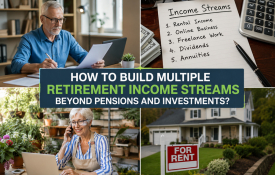
0 How Retirees Can Build Steady Income Beyond Pensions and Investments
How Retirees Can Build Steady Income Beyond Pensions and Investments Many retirees who did everything “right” still feel uneasy when a pension or Social Security becomes their primary source of income and investment balances rise and fall with the market. The challenge is simple: monthly bills don't stop when markets decline, and a fixed income often loses purchasing power over time because of inflation. These are real retirement financial challenges, especially for households focused on maintaining both independence and peace of mind. A smarter approach is to build multiple income streams so your monthly cash flow isn't dependent on a single source. Diversifying your retirement income can help reduce financial stress, improve long-term stability, and provide greater confidence during uncertain economic conditions. Why Multiple Retirement Income Streams Matter At its core, retirement income diversification means having more than one reliable way for money to reach your checking account each month. Some income sources depend on market performance, such as investment withdrawals, while others come from assets you already own or activities you choose to pursue. Think of your retirement like a three-legged stool. One leg may be your pension or Social Security, another your retirement savings, and the third the value you've unlocked from assets you already own. If one leg weakens, the others help keep you financially balanced. This strategy doesn't eliminate risk, but it can reduce the impact of market downturns, inflation, or unexpected expenses. It may also help you avoid withdrawing investments during unfavorable market conditions, allowing your portfolio more time to recover. The goal isn't to create dozens of income streams. It's to build enough reliable sources that no single one carries your entire retirement. Start by Taking Inventory of What You Already Own Before searching for new ways to earn money, take a fresh look at the assets you already have. Many retirees overlook opportunities because they're focused on earning more instead of making better use of what they already own. Your retirement assets may include: Your home and available equity Permanent life insurance policies Retirement accounts Vehicles Garages, workshops, or storage space Valuable collectibles or equipment Professional skills and experience Ask yourself a few simple questions: Does this asset still serve its original purpose? Am I spending money maintaining something I rarely use? Could this asset generate income without creating unnecessary stress? Would converting this asset into cash strengthen my retirement plan? Sometimes the best income opportunities are already sitting in your driveway, basement, or filing cabinet. Enjoying Senior Living Find a Senior Living Facility Near You. Click On Your State To View Listings in Your Area. Find a Community Near You Content Marketing Offers the Highest Return On Investment Online, or content marketing and advertising, is currently the second-highest method of promoting businesses, following only Television, which, for now, remains in the number one position. Experts have predicted that digital ads will surpass TV by 2025 and not look back. For cost-effectiveness and the ability to directly target your audience, nothing matches the ROI of digital marketing. Learn More Digital Marketing Offers Three Opportunities To Reach Your Audience Studies show that the majority of people will use their phones to search for content that addresses their current needs and then switch to their computers for more in-depth research before making final decisions or purchases. With three different platforms, computers, tablets, and phones, it is essential to ensure your audience can follow your content and ads on any device. The upside to this is that you have three opportunities to reach them. All of our Websites are developed to work flawlessly on all three platforms. Learn More Consider Whether a Life Settlement Fits Your Retirement Plan One asset many retirees overlook is an older permanent life insurance policy. Life insurance is often purchased decades before retirement to protect a young family, replace income, or help pay off debt. As life changes, those original needs may no longer exist. Children become financially independent, mortgages are paid off, and retirement savings grow. If you own a permanent life insurance policy that no longer fits your financial goals, you may have several options. Depending on the policy, those options may include surrendering it for its cash value, accessing available policy loans, or, if you're eligible, selling the policy through a life settlement. A life settlement allows qualified policy owners to sell an existing life insurance policy to a third-party buyer for more than its cash surrender value but less than its death benefit. The buyer assumes future premium payments and eventually receives the policy's death benefit. For some retirees, the proceeds can provide funds for healthcare expenses, long-term care, debt reduction, travel, or simply strengthening retirement cash flow. However, a life settlement isn't appropriate for everyone. Selling your policy generally means your beneficiaries will no longer receive the death benefit, and the transaction may have tax implications. Before making any decision, consult qualified financial, tax, and legal professionals to determine whether the option aligns with your overall retirement plan. If you decide to explore a life settlement, consider working with an experienced broker who represents policy owners and can obtain competitive offers from multiple buyers rather than accepting the first offer available. 8 Practical Ways to Create Additional Retirement Income Building multiple retirement income streams doesn't have to mean starting a business or working full-time again. Often, the best opportunities come from assets you already own or skills you've developed over a lifetime. The goal isn't to pursue every idea on this list. Instead, choose one or two strategies that fit your lifestyle, financial goals, and comfort level. Even a modest amount of additional income can reduce pressure on your retirement savings and give you greater flexibility when unexpected expenses arise. 1. Rent Out Unused Storage Space If your garage, basement, attic, or storage shed sits mostly empty, it may be able to generate steady monthly income. Many people need secure storage for seasonal equipment, business inventory, recreational vehicles, or household items but don't require a full self-storage unit. Renting unused space can produce predictable income while allowing you to maintain complete control over your property. Best For: Homeowners with secure, accessible storage space. Things to consider: Create a written agreement, verify your insurance coverage, and clearly define what items can and cannot be stored. Getting started: Research comparable storage rates in your area and begin with a month-to-month agreement until you're comfortable with the arrangement. 2. Rent a Room on Your Terms If you have an extra bedroom, a furnished room rental may provide supplemental income without the commitment of a long-term roommate. Some retirees prefer renting to traveling professionals, visiting nurses, graduate students, or seasonal workers because the arrangements typically have defined end dates. The key is establishing expectations from the beginning, including house rules, guest policies, parking, shared spaces, and quiet hours. Best For: Homeowners who enjoy occasional social interaction and have suitable living space. Things to consider: Review local zoning requirements, rental regulations, and tax obligations before advertising the room. Getting started: Decide what type of renter best matches your lifestyle before creating a listing. 3. Put an Underused Vehicle to Work Many retirees own a second vehicle that's driven only occasionally. Depending on your circumstances, you may be able to generate income by renting the vehicle through a reputable car-sharing platform or by using it for occasional work that fits your schedule. Before moving forward, calculate the true cost of ownership—including fuel, maintenance, depreciation, insurance, and cleaning—to determine whether the income justifies the additional wear and tear. Best For: Owners of reliable vehicles that are seldom used. Things to consider: Confirm that your insurance policy provides appropriate coverage for the intended use. Getting started: Estimate your annual ownership costs before accepting your first booking. 4. Turn Unused Belongings Into Cash Most households accumulate thousands of dollars' worth of items that are rarely used. Tools, sporting equipment, collectibles, furniture, hobby supplies, electronics, and household goods can often be sold through local marketplaces or online platforms. Rather than trying to declutter your entire home in one weekend, set a manageable goal of listing one box of items each week. The process becomes less overwhelming, and the proceeds can help build an emergency fund or supplement monthly income. Best For: Anyone looking for a simple, low-risk way to generate extra cash. Things to consider: Keep records of significant sales, especially if you're selling high-value items. Getting started: Walk through your home with a box and identify items you haven't used in the past year. 5. Turn Your Experience Into Flexible Income Retirement doesn't mean the knowledge you've accumulated over a lifetime loses its value. In fact, your professional experience, hobbies, or specialized skills may be among your most valuable assets. Rather than committing to a traditional part-time job, consider opportunities that let you work on your own terms. Consulting, tutoring, bookkeeping, proofreading, tax preparation, woodworking, photography, music lessons, pet sitting, or teaching community education classes can all provide supplemental income while allowing you to control your schedule. The goal is to earn money without sacrificing the freedom retirement offers. Even working a few hours each week can help cover discretionary expenses such as travel, dining out, or holiday gifts, reducing the need to withdraw additional money from your retirement accounts. Best For: Retirees who enjoy staying active and sharing their expertise. Things to consider: Set clear boundaries around your availability. Retirement should enhance your quality of life—not recreate the demands of a full-time career. Getting started: Make a list of the skills people have asked you for help with over the years. Those requests often reveal services others are willing to pay for. 6. Review Your Life Insurance and Other Financial Assets Many retirees faithfully continue paying premiums on insurance policies purchased decades earlier without revisiting whether those policies still fit their financial goals. An annual review can help you determine whether your coverage remains appropriate, whether your beneficiaries should be updated, or whether changes in your financial situation have created new opportunities. For owners of permanent life insurance, this may include requesting an in-force illustration to better understand the policy's current value, projected performance, and premium requirements. If the policy no longer serves its original purpose, it may also be worth discussing alternatives with a qualified advisor, including surrendering the policy, accessing available cash value, or—if you meet the eligibility requirements—exploring whether a life settlement makes financial sense. Best For: Retirees with older permanent life insurance policies or changing estate planning goals. Things to consider: Decisions involving life insurance can affect beneficiaries, taxes, and long-term financial planning. Review all available options before making changes. Getting started: Schedule a policy review with your insurance professional and request updated policy information before deciding on your next steps. 7. Explore Tax-Smart Retirement Planning Strategies Creating retirement income isn't only about earning more money—it's also about keeping more of what you already have. Tax planning plays an important role in retirement, and one strategy that may be appropriate for some households is a partial Roth conversion. By converting a portion of a traditional IRA to a Roth IRA during lower-income years, some retirees can reduce future required withdrawals and create a source of tax-free qualified withdrawals later in retirement. However, Roth conversions are not one-size-fits-all. The converted amount is generally taxable in the year of the conversion, and it may affect Medicare premiums, the taxation of Social Security benefits, or your overall tax bracket. Best For: Retirees who expect higher future tax rates or want greater flexibility in managing taxable income. Things to consider: Work with a qualified tax professional before making conversion decisions to understand both the immediate and long-term impact. Getting started: Ask your tax advisor to prepare a "what-if" analysis showing how different conversion amounts could affect your taxes over several years. 8. Consider Income-Producing Real Estate Carefully Real estate has long been a popular way to build wealth and generate income, but becoming a landlord isn't the right choice for every retiree. Rental properties can provide ongoing cash flow and long-term appreciation, yet they also come with responsibilities that include maintenance, vacancies, insurance, property taxes, repairs, and compliance with local landlord-tenant laws. If you already own significant home equity, purchasing another property may be one option worth exploring. Some retirees choose to move into a newly purchased home while renting out their previous residence, potentially qualifying for owner-occupied financing on the new home. Others prefer investing in professionally managed rental properties or real estate investment trusts (REITs), which can offer exposure to real estate without directly managing tenants. The best choice depends on your financial goals, risk tolerance, available time, and desire for hands-on involvement. Best For: Retirees with sufficient financial resources, a long-term investment horizon, and an interest in real estate. Things to consider: Carefully evaluate financing costs, cash flow projections, maintenance expenses, and the possibility of extended vacancies before purchasing additional property. Getting started: Prepare a realistic budget that includes mortgage payments, insurance, taxes, maintenance, and vacancy reserves. Then compare your projected return with other investment opportunities before making a decision. Retirement Income Questions People Ask Most When Should I Start Creating Additional Retirement Income Streams? The best time to diversify your retirement income is before you feel financial pressure. Planning ahead allows you to evaluate opportunities carefully rather than making decisions because you're worried about next month's bills. Even one modest source of additional income can make a meaningful difference over time. It may help cover recurring expenses such as insurance premiums, property taxes, or travel while reducing the amount you need to withdraw from retirement accounts. Start with one strategy that matches your lifestyle and review the results after several months. If it fits comfortably into your retirement routine, consider whether adding another income stream makes sense. How Much Additional Income Do I Really Need? That depends on your goals. Some retirees simply want enough extra income to preserve their investment portfolio during market downturns. Others want additional cash flow to fund travel, hobbies, or gifts for family members. Rather than setting an arbitrary income target, begin by identifying your monthly spending gap. Ask yourself: What expenses are already covered by guaranteed income? Which expenses currently require investment withdrawals? How much additional monthly income would make you feel more financially secure? Often, an additional few hundred dollars each month can reduce financial stress more than people expect. Is Passive Income Really Passive? Not always. Many retirement income ideas require some effort to establish and maintain. Rental properties need maintenance. Storage rentals require oversight. Consulting work depends on finding clients. Even dividend investments require periodic review. A better way to think about passive income is as lower-maintenance income, not effort-free income. The objective is to choose income sources that match the amount of time and energy you want to invest during retirement. What Are the Biggest Risks? Every income strategy involves trade-offs. Rental properties may experience vacancies or unexpected repairs. Part-time work requires time and commitment. Selling valuable assets may reduce future appreciation. Life settlements eliminate or reduce the death benefit associated with the policy. Tax strategies such as Roth conversions may increase taxable income in the year of the conversion. The solution isn't avoiding risk altogether. It's understanding the risks before making decisions and selecting strategies that fit your financial goals and personal comfort level. Can Taxes Reduce the Benefits? Yes. Additional income may affect federal and state income taxes, Medicare premiums, taxation of Social Security benefits, or other financial planning considerations. Before implementing a significant strategy, estimate the after-tax benefit rather than focusing only on the gross income. Working with a qualified tax professional can help ensure that an otherwise good financial decision doesn't create unintended tax consequences. How Often Should I Review My Retirement Income Plan? At least once each year. Life changes. Markets change. Tax laws change. Your retirement income plan should evolve as well. An annual review gives you an opportunity to evaluate your income sources, update beneficiaries, reassess insurance needs, review investment withdrawals, and determine whether your current strategy still supports your long-term goals. Small adjustments made consistently are often more effective than major changes made during periods of financial stress. Choosing the Right Strategy for You Not every income strategy belongs in every retirement plan, and that's perfectly okay. Some retirees prioritize predictable monthly income. Others value flexibility, preserving assets for heirs, or minimizing taxes. The right mix depends on your goals, health, family circumstances, and overall financial picture. Rather than trying to implement several ideas at once, choose one strategy that fits comfortably within your lifestyle. Test it, evaluate the results after a few months, and decide whether it deserves a permanent place in your retirement income plan. Small improvements made consistently often have a greater long-term impact than major financial decisions made under pressure. Remember, retirement income isn't about finding one perfect solution. It's about creating a balanced combination of income sources that helps you maintain the lifestyle you've worked so hard to achieve while giving you the confidence to navigate whatever the future may bring. Retirement Income Checklist ✓ I know where every dollar of my retirement income comes from. ✓ No single income source covers all of my monthly expenses. ✓ I've reviewed my insurance policies within the last two years. ✓ I've considered whether underused assets could strengthen my retirement plan. ✓ I understand the tax implications of my withdrawal strategy. ✓ I have an emergency cash reserve. ✓ I review my retirement income plan at least once each year. All Images generated by AI Discover the secrets to aging gracefully and living your best life with Enjoying Aging – your ultimate resource for health, wellness, and financial wisdom! A special thank you to Sasha Moody at The Patient Investor for contributing this article. Sasha Moody is The Patient Investor. She created her website to help people grow their wealth steadily over time. As someone who began learning about the importance of investing just a few years ago, Sasha wanted to find a way to help others who are relatively new to investing build their confidence around it so that they can take advantage of its wealth-building potential. She knows that it can be a daunting task to try and learn everything there is to know about investing, so she has compiled resources and other information on The Patient Investor that she found helpful when she was starting out. If you enjoyed this article or have a topic you would like to suggest for a new article, please leave a comment in the form below.

0 Online Selling Tips for Seniors: How to Avoid Scams and Protect Your Privacy
Online Selling Tips for Seniors: How to Avoid Scams and Protect Your Privacy As seniors navigate the process of decluttering and downsizing, selling items online can be a valuable way to earn extra income and simplify their living space. However, online selling comes with its own set of challenges, including payment concerns, scams, and privacy issues. To help seniors navigate this process with confidence, we have compiled a step-by-step guide to selling items online effectively. Quick Key Takeaways: - Choose a selling platform that fits your comfort level and item types - Price items fairly by comparing similar listings and considering condition and demand - Take clear photos and provide detailed descriptions to build buyer trust - Use secure payment and shipping methods to protect yourself and reduce problems - Watch out for scam warning signs and protect your personal information - Stay organized by keeping track of your listings and sales in a designated space Sell Online Step-by-Step Without Feeling Overwhelmed: Follow these steps to sell items online confidently and easily, avoiding common pitfalls and maximizing your success: 1. Choose a platform that fits your comfort level and item types Select a platform that aligns with your preferences and the types of items you are selling. Consider factors such as local pickup for larger items, shipping for smaller items, or in-person assistance if needed. Compare criteria like fees, payment methods, return policies, and buyer blocking/reporting options. Start with one platform to gain experience before branching out. 2. Price items fairly using a quick and repeatable method Determine the price of your items using a consistent method. Research similar items that have sold recently to set a competitive price based on factors like condition, age, and selling speed. Establish a desired sale price and then a minimum acceptable price before listing, and be prepared to adjust the price or improve photos if needed after 7 to 10 days. 3. Take clear photos that build buyer trust and showcase your items Capture clear photos that inspire buyer confidence. Take pictures with professional lighting or in natural light near a window with a simple background, highlighting the front, back, sides, labels, and any imperfections. Include a scale reference to provide a sense of size. Clear photos reduce inquiries, returns, and ensure smoother transactions. Enjoying Senior Living Find a Senior Living Facility Near You. Click On Your State To View Listings in Your Area. Find a Community Near You Content Marketing Offers the Highest Return On Investment Online, or content marketing and advertising, is currently the second-highest method of promoting businesses, following only Television, which, for now, remains in the number one position. Experts have predicted that digital ads will surpass TV by 2025 and not look back. For cost-effectiveness and the ability to directly target your audience, nothing matches the ROI of digital marketing. Learn More Digital Marketing Offers Three Opportunities To Reach Your Audience Studies show that the majority of people will use their phones to search for content that addresses their current needs and then switch to their computers for more in-depth research before making final decisions or purchases. With three different platforms, computers, tablets, and phones, it is essential to ensure your audience can follow your content and ads on any device. The upside to this is that you have three opportunities to reach them. All of our Websites are developed to work flawlessly on all three platforms. Learn More 4. Write detailed listings that answer buyer questions upfront Craft a listing that anticipates buyers' questions. Use a descriptive title with brand, item name, size, and key features, repeating these details in the description. Mention the condition, measurements, inclusions, and your pickup/shipping arrangements. Add a brief explanation for selling the item and establish clear guidelines on payment, meeting location, and communication preferences. 5. Organize sales like a tiny business to stay on top of your inventory and sales Approach sales with an organized mindset similar to running a small business. Keep a tracking sheet or notebook for each item with listing dates, platforms, prices, buyer information, and payment status. Store sold items in labeled bins to prevent misplacement. Dedicate specific time blocks for messaging and drop-offs to maintain a structured routine. If selling becomes a regular income source, consider seeking business formation advice and exploring different business structures to determine the best fit. Online Marketplaces Compared at a Glance: The following compares common selling platforms to help you find the best fit for your items and selling preferences. These options offer the benefits of each platform, i.e., which is best for large bulky items, electronics, clothing, etc., and then what you should consider when choosing the right media to support your financial goals. Option 1 - Facebook Marketplace (local pickup) Benefit Fast local interest, simple messaging, no listing fee. Best For Furniture, home goods, bulky items. Consideration Meetups require a safety plan and clear boundaries. Option 2 - eBay (national shipping) Benefit Large buyer pool, strong demand for specific items. Best For Electronics, collectibles, parts. Consideration Shipping, fees, and returns take more follow-up. Option 3 - Poshmark (shipping labels) Benefit Streamlined shipping meets buyer expectations for apparel. Best For Clothing, shoes, accessories. Consideration Fees can be higher; photos and sizing must be precise. Option 4 - Craigslist (local, cash) Benefit No shipping needed, direct contact for quick sales. Best For Large items, tools, and older furniture. Consideration More scam attempts; less built-in buyer protection. Option 5 - Consignment shop or dealer Benefit Little tech work, hands-off selling. Best For Higher-value clothing or furniture. Consideration Lower payout because they take a cut. Local pickup of large items saves on shipping costs and is logistically more feasible, while shipping small, high-demand items is more time-consuming, but generally the best option. Improving Your Online Selling Experience: Safety, Privacy, and Convenience FAQs Q: How can I avoid falling victim to scams when selling online? A: Keep all communication and transactions within the platform to minimize the risk of scams. Be wary of individuals who try to switch to text or email communication immediately. Avoid offers of overpayment, gift cards, or urgent requests for someone else to pick up the item. When meeting for local pick-up, choose a public location and only share your address when you feel comfortable doing so. Q: What personal information should I refrain from sharing with buyers? A: Utilize the platform's messaging system instead of sharing your personal phone number or email address. Refrain from providing copies of your ID, bank information, or photos that reveal sensitive details like medication labels or family pictures. Consider setting up a separate email account for selling and using a PO box for shipping returns. Q: How can I handle returns and refunds efficiently? A: Establish a clear return policy before listing your items and include it in the item description. Take photos of the item in working condition, as well as any flaws, and keep copies of shipping receipts. In case of a dispute, remain calm, respond on the platform, and provide supporting evidence such as photos and tracking information. Q: How can I manage my time effectively while selling online? A: Streamline your selling process by batching tasks, such as taking photos for multiple items at once and writing descriptions in one session. Set specific times each day to check and respond to messages to avoid being constantly available. Utilize prewritten responses for frequently asked questions to save time. Q: When should I consider establishing a formal business structure like an LLC? A: If you are selling regularly, dealing with high-value items, or seeking to separate your personal and selling activities, forming an LLC may be beneficial. An LLC can provide asset protection and other advantages. Consider tracking your income and expenses for a month and consulting with a tax professional to determine the best business structure for your goals. You can use your state's Website to establish a business entity for yourself, or there are many services that can assist with the paperwork involved in forming an LLC, allowing you to focus on your selling activities. Build Selling Confidence With One Simple First Online Listing: Start selling online confidently by taking one small step at a time, focusing on safety and ease, and gradually refining your selling process with each sale. By staying consistent and building on your success, you can achieve your decluttering and financial goals while enjoying the benefits of selling online as a senior entrepreneur. All Images generated by AI Discover the secrets to aging gracefully and living your best life with Enjoying Aging – your ultimate resource for health, wellness, and financial wisdom! A special thank you to Greg Pierce at elderimpact.org for contributing this article. If you enjoyed this article or have a topic you would like to suggest for a new article, please leave a comment in the form below.

0 A Guide for Retired Seniors Considering Going Back to School | Tips and Advice
A Guide for Retired Seniors Considering Going Back to School | Tips and Advice ~~~~~~~~~~~~~~ Give thyself time to learn something new and good, and cease to be whirled around. Marcus Aurelius, Roman emperor, Stoic philosopher ~~~~~~~~~~~~~~ Many retired seniors consider returning to school as a way to stay mentally sharp, expand social connections, or finally explore a subject they never had time for earlier in life. The idea can feel exciting—and a little intimidating. The good news? Education in retirement doesn’t have to be overwhelming or all-consuming. With the right planning, learning in later life can be deeply fulfilling, flexible, and surprisingly fun. This guide walks through the academic, financial, and personal factors worth considering before enrolling, so you can choose an experience that truly fits your lifestyle. Quick Summary Returning to school in retirement works best when seniors select programs that align with their interests, energy level, and personal goals. Thoughtful planning around pace, finances, and support systems can turn learning into one of the most rewarding chapters of later life. Key Questions to Ask Before Going Back to School Before enrolling, take a moment to reflect on what you want out of the experience. This brief self-audit can help clarify your direction. 1. Why now? Are you learning for personal enrichment, intellectual stimulation, volunteer work, or a new career path? Defining your motivation helps guide program selection. 2. What’s my energy bandwidth? Are you comfortable with weekly assignments, reading, or deadlines? Some retirees thrive with structure, while others prefer lighter commitments. 3. How do I learn best? Would you enjoy in-person discussions, online courses, or a hybrid format? Learning style matters more than ever. 4. What’s my financial comfort zone? Tuition is only part of the equation—books, supplies, and technology should also be factored in. 5. Is my environment supportive? A quiet study space, encouragement from family, and reliable technology can make a big difference. 6. What outcome would make this worthwhile? A certificate, a degree, new friendships, or simply the joy of learning? Success looks different for everyone. Enjoying Senior Living Find a Senior Living Facility Near You. Click On Your State To View Listings in Your Area. Find a Community Near You Content Marketing Offers the Highest Return On Investment Online, or content marketing and advertising, is currently the second-highest method of promoting businesses, following only Television, which, for now, remains in the number one position. Experts have predicted that digital ads will surpass TV by 2025 and not look back. For cost-effectiveness and the ability to directly target your audience, nothing matches the ROI of digital marketing. Learn More Digital Marketing Offers Three Opportunities To Reach Your Audience Studies show that the majority of people will use their phones to search for content that addresses their current needs and then switch to their computers for more in-depth research before making final decisions or purchases. With three different platforms, computers, tablets, and phones, it is important to make sure your audience can follow your content and ads on any device. The upside to this is that you have three opportunities to reach them. All of our Websites are developed to work flawlessly on all three platforms. Learn More What Often Surprises Older Learners For many seniors, returning to school isn’t about “starting over.” It’s about building on a lifetime of experience. Without the pressure of grades defining future careers, learning often feels richer and more meaningful. Many retired students find they participate more confidently, ask better questions, and enjoy the process far more than they did earlier in life. The Economics of Education in Retirement Cost is a common concern, but education in retirement is often more affordable than expected. Reduced or waived tuition: Many colleges offer discounts or free classes for adults 60+. Modest technology investments: A dependable computer and internet access usually cover most needs. Financial aid still applies: Grants, scholarships, and payment plans are often age-neutral. Lower textbook costs: Libraries, digital rentals, and open-source materials help manage expenses. Minor extra fees: Parking, software, or tutoring may add small costs, but they’re rarely prohibitive. Online Learning and Flexible Degree Options For retirees seeking flexibility, online education can be an ideal fit. Online programs allow you to study at your own pace, revisit recorded lectures, and balance coursework with travel, family time, or health needs. Some seniors explore subjects like psychology, history, writing, or social sciences—fields that encourage reflection, communication, and personal growth. Studying areas such as psychology can also provide insight into human behavior and emotional well-being, knowledge that many retirees use in volunteer roles, caregiving, or community involvement. How to Create a Smooth Re-Entry Plan Step 1: Start small Begin with one course or a short seminar to test your interest and stamina. Step 2: Schedule consistent study time Even two focused sessions per week can build confidence and momentum. Step 3: Use campus support services Orientation sessions, tech help, and library workshops are designed to help adult learners succeed. Step 4: Build connections early Introduce yourself to instructors and classmates. Older learners often enrich discussions with a real-world perspective. Step 5: Reassess after the first term Adjust course load or format as needed. Flexibility is part of the process. Frequently Asked Questions Do I need placement tests? Sometimes. Community colleges may request math or writing assessments, but alternatives are often available for returning students. Is learning harder later in life? The pace may feel different, but seniors bring patience, focus, and life experience that enhance learning. How do I manage health needs alongside coursework? Most institutions are happy to provide accommodations—just communicate early. Will I feel out of place? Most retired students report the opposite. Age diversity often strengthens classroom conversations. Final Thoughts Going back to school in retirement isn’t about proving anything—it’s about curiosity, connection, and continued growth. With thoughtful planning and the right program, learning in later life can become one of the most meaningful and enjoyable experiences of retirement. Education doesn’t have an age limit—it simply evolves with you. Header Image Generated by AI Content Image From: Freepik A special thank you to Mary Shannon at SeniorsMeet.org for contributing this article. Discover the secrets to aging gracefully and living your best life with Enjoying Aging– your ultimate resource for health, wellness, and financial wisdom tailored for the ‘Fun After 50’ crowd! If you enjoyed this article or have a topic you would like to suggest for a new article, please leave a comment in the form below.

0 Caregiving Doesn’t Have to Mean Burnout
Caregiving Doesn’t Have to Mean Burnout Caring for an older adult while juggling work, family, and personal commitments can feel like trying to keep ten plates spinning at once. The responsibilities of—medical appointments, medications, meals, household tasks, and emotional support—can build quickly and leave even the most organized caregiver feeling overwhelmed. But with the right structure, a strong support system, and a few intentional lifestyle shifts, you can create a sustainable routine that protects your wellbeing while ensuring high-quality care for your loved one. Key Takeaways for Quick Reading Build a flexible, prioritized schedule (rigid systems break quickly). Lean on support systems—family, friends, community services, and workplace benefits. Add micro-moments of rest throughout your day. Use caregiver tools, apps, and programs designed to ease the workload. Invest in education or training that strengthens both caregiving and career skills. How to Regain Control of Your Time 1. Prioritize daily tasks by what’s most important. Center your day around essential caregiving activities—medications, meals, hygiene—and schedule other tasks around those anchors. Delegate or delay anything non-urgent. 2. Plan weekly “anchors.” Choose three commitments you’ll hold steady each week: One for work (e.g., a standing team check-in) One for caregiving (like medical appointments) One just for you These simple touchpoints create stability in an otherwise fluid schedule. 3. Batch similar tasks. Put errands, phone calls, emails, and online tasks into clusters. This reduces mental fatigue and helps you stay focused. 4. Share responsibilities. Even delegating a 10–15 minute task—like picking up a prescription or prepping a meal—can meaningfully reduce your cognitive load. 5. Create a “reset ritual.” A short walk, a breathing exercise, or a cup of tea can help you mentally shift between your roles as caregiver, employee, and human being. Enjoying Senior Living Find a Senior Living Facility Near You. Click On Your State To View Listings in Your Area. Find a Community Near You Content Marketing Offers the Highest Return On Investment Online, or content marketing and advertising, is currently the second-highest method of promoting businesses, following only Television, which, for now, remains in the number one position. Experts have predicted that digital ads will surpass TV by 2025 and not look back. For cost-effectiveness and the ability to directly target your audience, nothing matches the ROI of digital marketing. Learn More Digital Marketing Offers Three Opportunities To Reach Your Audience Studies show that the majority of people will use their phones to search for content that addresses their current needs and then switch to their computers for more in-depth research before making final decisions or purchases. With three different platforms, computers, tablets, and phones, it is important to make sure your audience can follow your content and ads on any device. The upside to this is that you have three opportunities to reach them. All of our Websites are developed to work flawlessly on all three platforms. Learn More Education for Empowered Caregiving For caregivers interested in both personal and professional growth, continuing education can be transformative. Programs that blend health administration, leadership, and care coordination offer skills that help you manage complex responsibilities and open doors to career advancement. Many universities now offer flexible online degrees designed specifically for working adults—including caregivers. These programs help you build administrative, communication, and leadership skills that support your caregiving role while expanding long-term career opportunities. If you’re exploring options, look into accredited online healthcare management degrees that accommodate real-world schedules. Build Your Personal System of Support You don’t have to shoulder caregiving alone. A few strategic moves can make your days more manageable: Use community resources. Respite care, transportation services, and in-home assistance can lighten your daily load. Talk to your employer. Many workplaces now offer caregiver benefits, including flexible scheduling or Employee Assistance Programs (EAPs). Lean on technology. Medication reminders, smart home devices, and caregiving apps provide structure and stress relief. Communicate with family. Share schedules, assign tasks, and collaborate transparently to reduce friction and avoid burnout. Managing Stress and Preserving Wellbeing Take five slow, deep breaths before responding to a request. Keep water nearby to stay hydrated. Step outside for fresh air at least once a day. Use short audio meditations, a calming or favorite playlist, or nature sounds to reset your mind. Write down one daily “win” or gratitude per day—big or small. Set a personal “shutdown time” for work tasks. Resource Spotlight: Finding Strength and Community You don’t have to navigate caregiving alone. 211.org provides practical guides, support groups, and emotional health resources—ideal for caregivers who need both guidance and a sense of community. It’s a trusted space to learn, connect, and recharge. FAQ: Common Questions from Caregivers Q1: How can I talk to my employer about caregiving without fear of bias? Emphasize your reliability and come prepared with solutions, such as flexible hours, remote check-ins, or adjusted deadlines that ensure you can continue performing at a high level. Q2: What’s the best way to manage caregiver guilt? Remember that guilt is often a sign of caring deeply, not failing. Rest, breaks for personal time, and delegation of workload help improve the quality of care you provide over the long term. Q3: When should I consider outside help? If you’re consistently losing sleep, missing work obligations, or struggling to keep appointments, it’s time to look into respite care, home health aides, or adult day services. Q4: How do I prevent burnout when there’s no one else to help? Set realistic daily limits, automate repetitive tasks, simplify your environment, and intentionally weave small moments of joy into your day. Contacting a friend or getting 10 minutes of sunlight can be a much-needed respite. Closing Thoughts Caregiving is a long-distance journey. Balance isn’t about doing everything—it’s about doing what matters most with clarity, compassion, and the right support. When you share responsibilities, use available tools, and prioritize your health, you create a sustainable caregiving rhythm that benefits both you and your loved one. Remember: you’re not just a caregiver—you’re the steady force that keeps life moving forward, and you deserve care, too. Header Image via Pexels Caregiver Image Generated by AI A special thank you to Arthur Lloyd at grayhairedlife.com for contributing this article. Discover the secrets to aging gracefully and living your best life with Enjoying Aging– your ultimate resource for health, wellness, and financial wisdom tailored for the ‘Fun After 50’ crowd! If you enjoyed this article or have a topic you would like to suggest for a new article, please leave a comment in the form below.

0 A fresh perspective on aging, purpose, and living well
A fresh perspective on aging, purpose, and living well Embracing the Second Half of Life: How Today’s Seniors Are Redefining Aging. As the aging population continues to grow, our understanding of what it means to grow older is changing. Today’s seniors are redefining the “golden years” by embracing opportunity, rediscovering purpose, and seeking renewed vitality. At the center of this evolution lies one powerful question: How much time do we truly have—and how do we want to use it? This blog explores the shifting landscape of aging, the science of longevity, and the inspiring mindset that can make the second half of life your best chapter yet. A New Perspective on Growing Older For many older adults, aging isn’t just about adding years—it's about adding meaning. It's natural to wonder: Do I have enough time to start a new chapter? Am I healthy enough to take on a long-term goal? How long will my energy and drive last? While no one can see into the future, what we can control is the intention and enthusiasm we bring to each day. The Keys to Longevity and Vitality Research consistently shows that the fundamental pillars of longevity are simple: Stay active Move regularly Eat well Stay engaged socially and mentally With modern healthcare extending both health and lifespan, it’s entirely possible that age 60 is not about slowing down and waiting for the inevitable—it’s the midpoint. That perspective opens the door to an exciting truth: You may have decades ahead to reinvent yourself. Then the question becomes: Do you want those years to be filled with medical appointments… or meaningful goals? Why Purpose Matters—At Every Age Purpose is powerful. It fuels optimism, motivation, and even physical health. One of my favorite 60-year-old optimists captures this spirit beautifully: 'In the second half of my life, I want to make another fortune, own my own airplane so I don’t have to keep flying someone else’s, and I want to become a Tai Chi master. If I am lucky enough to have another sixty years, then let’s get started!' If enthusiasm is half the fuel of success, he’s already halfway there. What Do You Want in Your Second Half of Life? Aging is not a closing chapter—it’s an open invitation. Your goals might include: Learning a new skill or hobby Traveling or exploring new cultures Volunteering or giving back Building deeper relationships Launching a creative or professional project Strengthening your physical and emotional health Enjoying Senior Living Find a Senior Living Facility Near You. Click On Your State To View Listings in Your Area. Find a Community Near You Content Marketing Offers the Highest Return On Investment Online, or content marketing and advertising, is currently the second-highest method of promoting businesses, following only Television, which, for now, remains in the number one position. Experts have predicted that digital ads will surpass TV by 2025 and not look back. For cost-effectiveness and the ability to directly target your audience, nothing matches the ROI of digital marketing. Learn More Digital Marketing Offers Three Opportunities To Reach Your Audience Studies show that the majority of people will use their phones to search for content that addresses their current needs and then switch to their computers for more in-depth research before making final decisions or purchases. With three different platforms, computers, tablets, and phones, it is important to make sure your audience can follow your content and ads on any device. The upside to this is that you have three opportunities to reach them. All of our Websites are developed to work flawlessly on all three platforms. Learn More Whatever your aspirations, your “second half” is the perfect place to begin. Top 10 Ways Seniors Are Enjoying Aging Here are 10 inspiring ways seniors are embracing aging and thriving in their golden years. 1. Participate in Physical Activities One of the main benefits of staying active for seniors is to maintain health and vitality as we age. One of the top wellness activities for seniors is regular exercise. Physical exercise supports strength, mobility, and independence — while boosting mood and energy levels. Many active seniors join fitness classes, walking groups, or local sports leagues, such as golf or Pickleball, to stay fit and socialize. Gentle activities like yoga and Tai Chi improve flexibility and balance, while swimming and water aerobics are easy on the joints. Before beginning any new exercise routine, it’s always smart to consult a healthcare provider. Staying active not only strengthens the body but also enhances mental well-being, reduces stress, and promotes better sleep. 2. Engage in Social Activities Strong social connections are essential to happiness and longevity. Participating in community events, book clubs, or volunteer programs helps seniors meet new people, share interests, and feel part of something larger. Social engagement also helps prevent isolation, promotes emotional well-being, and builds a support network of friends and peers. Whether it’s attending a local festival or joining a community class, connections are the key to a fulfilling life. 3. Pursue Hobbies and Interests Hobbies give life texture and joy. Seniors are rediscovering old passions and exploring new ones — from painting and gardening to playing an instrument or learning a new language. Creative and skill-based activities stimulate the mind, build confidence, and provide a wonderful sense of accomplishment. Travel is another powerful form of enrichment — whether through road trips, cruises, globetrotting, or local adventures — it requires getting out and being active. By pursuing hobbies and interests, seniors remain curious, expressive, and deeply connected to what makes them feel alive. 4. Embrace Technology More and more seniors are discovering how technology can enhance their daily lives. From video chatting with loved ones to shopping online, technology brings convenience, connection, and confidence. Social media platforms like Facebook and Instagram help older adults share photos, join interest groups, and stay in touch. Many also use smartphones and tablets for news, health tracking, and online learning. Embracing digital tools keeps seniors engaged, informed, and empowered — proving that innovation has no age limit. 5. Spend Time with Family Family time is one of life’s greatest gifts. Whether it’s hosting Sunday dinners, attending reunions, or traveling together, spending time with loved ones helps seniors feel supported, valued, and connected. Grandparents often find deep joy in babysitting or mentoring their grandchildren, sharing stories, and passing down traditions. These intergenerational moments create a legacy of love that strengthens family bonds for years to come. 6. Engage in Lifelong Learning Curiosity doesn’t retire. Many seniors are embracing lifelong learning through online courses, community lectures, and book clubs. These opportunities keep the mind sharp and encourage meaningful discussion. Exploring topics like history, art, or science stimulates cognitive function and promotes a sense of accomplishment. Studies show that ongoing learning can even help prevent memory decline and improve mental agility. Every new skill or subject mastered adds depth and excitement to life — at any age. 7. Enjoy Culinary Experiences Food has a unique way of bringing people together. Seniors are exploring new recipes, discovering local restaurants, and even hosting dinner parties for family and friends. Cooking at home encourages healthy, nutritious eating habits for older adults, while dining out offers social connection and new culinary adventures. From comfort foods to global cuisine, each meal is a chance to savor life’s flavors and make lasting memories. 8. Cultivate Mindfulness and Relaxation Mindfulness is becoming an essential part of healthy aging. Seniors are turning to yoga, Tai Chi, and meditation to strengthen both body and mind, reduce stress, and improve emotional balance. Spending time in nature — gardening, walking, or simply sitting outdoors — helps calm the mind and foster gratitude. Quiet moments spent reading, journaling, or listening to music emphasize the importance of mental health in aging and also encourages peace and self-reflection. By embracing mindfulness, seniors find clarity, contentment, and a renewed appreciation for life’s simple joys. 9. Seek Out New Experiences and Challenges Age is not a barrier — it’s an opportunity. Seniors today are saying “yes” to adventure by trying new things, learning fresh skills, and facing challenges with confidence. Whether it’s taking a dance class, volunteering for a cause, or pursuing a lifelong dream, new experiences keep the mind sharp and the spirit energized. Growth and discovery are timeless pursuits, and how seniors can find new purpose after retirement. 10. Revisit Old Passions Sometimes, rediscovering joy means returning to the things we once loved. Many seniors are reviving past hobbies — from painting and cycling to dancing or even motorcycling. Reconnecting with these passions rekindles excitement, builds confidence, and strengthens both body and soul. With a bit of preparation and determination, it’s never too late to reignite an old flame. The second half of life is not about limits—it’s about possibilities. With better health, greater awareness, and more opportunities than ever before, today’s seniors are proving that aging can be bold, purposeful, and fully alive. So ask yourself: ✨ What do you want this next chapter to look like? ✨ And what steps can you take today to begin writing it? Your future is calling—and it’s full of potential. Header Image Generated by AI Mature man with a skateboard Image by Freepik Tai Chi Class Image by Freepik Older couple riding a motorcycle Image by Freepik Discover the secrets to aging joyfully and living your best life with Enjoying Aging– your ultimate resource for health, wellness, and financial wisdom tailored for the ‘Fun After 50’ crowd! A special thank you to Rob Harris for contributing to this article. If you enjoyed this article or have a topic you would like to suggest for a new article, please leave a comment in the form below.
Related Articles - Click an image below to view articles on the following topics.
The information appearing on this Web site is intended to provide information only. This information is advisory only and the visitor to this Web site assumes sole responsibility for any decisions made based upon its content. EA disclaims all warranties regarding such information, whether expressed or implied, including, but not limited to, any warranty as to the quality, accuracy, or suitability of this information for any particular purpose.
Contact Us with any comments, questions or concerns so we may better serve you.
HEALTH & WELLNESS
Vitamins
Health Foods
Mental Health
Health Care
Physical Fitness
ADDITIONAL RESOURCES
Enjoying Senior Living
Enjoying Senior Life
Newsletter Signup
Games and Trivia