0 Caregiving Doesn’t Have to Mean Burnout
- Mental Health
- Author Arthur Lloyd
- 12-25-2025
Caregiving Doesn’t Have to Mean Burnout
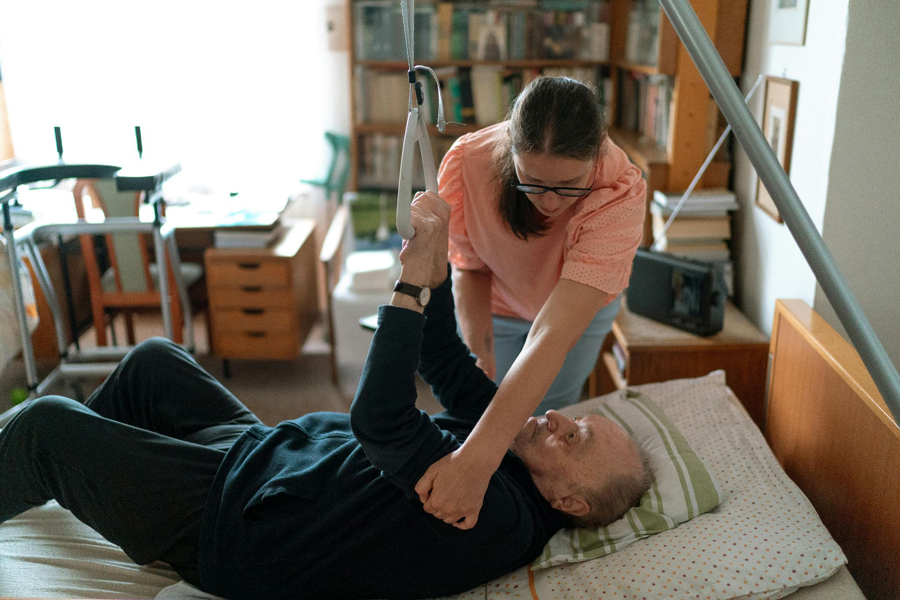
Caring for an older adult while juggling work, family, and personal commitments can feel like trying to keep ten plates spinning at once. The responsibilities of—medical appointments, medications, meals, household tasks, and emotional support—can build quickly and leave even the most organized caregiver feeling overwhelmed. But with the right structure, a strong support system, and a few intentional lifestyle shifts, you can create a sustainable routine that protects your wellbeing while ensuring high-quality care for your loved one.
Key Takeaways for Quick Reading
- Build a flexible, prioritized schedule (rigid systems break quickly).
- Lean on support systems—family, friends, community services, and workplace benefits.
- Add micro-moments of rest throughout your day.
- Use caregiver tools, apps, and programs designed to ease the workload.
- Invest in education or training that strengthens both caregiving and career skills.
How to Regain Control of Your Time
1. Prioritize daily tasks by what’s most important.
Center your day around essential caregiving activities—medications, meals, hygiene—and schedule other tasks around those anchors. Delegate or delay anything non-urgent.
2. Plan weekly “anchors.”
Choose three commitments you’ll hold steady each week:
- One for work (e.g., a standing team check-in)
- One for caregiving (like medical appointments)
- One just for you
These simple touchpoints create stability in an otherwise fluid schedule.
3. Batch similar tasks.
Put errands, phone calls, emails, and online tasks into clusters. This reduces mental fatigue and helps you stay focused.
4. Share responsibilities.
Even delegating a 10–15 minute task—like picking up a prescription or prepping a meal—can meaningfully reduce your cognitive load.
5. Create a “reset ritual.”
A short walk, a breathing exercise, or a cup of tea can help you mentally shift between your roles as caregiver, employee, and human being.


Content Marketing Offers the Highest Return On Investment
Online, or content marketing and advertising, is currently the second-highest method of promoting businesses, following only Television, which, for now, remains in the number one position. Experts have predicted that digital ads will surpass TV by 2025 and not look back. For cost-effectiveness and the ability to directly target your audience, nothing matches the ROI of digital marketing. Learn More

Digital Marketing Offers Three Opportunities To Reach Your Audience
Studies show that the majority of people will use their phones to search for content that addresses their current needs and then switch to their computers for more in-depth research before making final decisions or purchases. With three different platforms, computers, tablets, and phones, it is important to make sure your audience can follow your content and ads on any device. The upside to this is that you have three opportunities to reach them. All of our Websites are developed to work flawlessly on all three platforms. Learn More
Education for Empowered Caregiving
For caregivers interested in both personal and professional growth, continuing education can be transformative. Programs that blend health administration, leadership, and care coordination offer skills that help you manage complex responsibilities and open doors to career advancement.
Many universities now offer flexible online degrees designed specifically for working adults—including caregivers. These programs help you build administrative, communication, and leadership skills that support your caregiving role while expanding long-term career opportunities. If you’re exploring options, look into accredited online healthcare management degrees that accommodate real-world schedules.
Build Your Personal System of Support
You don’t have to shoulder caregiving alone. A few strategic moves can make your days more manageable:
- Use community resources. Respite care, transportation services, and in-home assistance can lighten your daily load.
- Talk to your employer. Many workplaces now offer caregiver benefits, including flexible scheduling or Employee Assistance Programs (EAPs).
- Lean on technology. Medication reminders, smart home devices, and caregiving apps provide structure and stress relief.
- Communicate with family. Share schedules, assign tasks, and collaborate transparently to reduce friction and avoid burnout.
Managing Stress and Preserving Wellbeing
- Take five slow, deep breaths before responding to a request.
- Keep water nearby to stay hydrated.
- Step outside for fresh air at least once a day.
- Use short audio meditations, a calming or favorite playlist, or nature sounds to reset your mind.
- Write down one daily “win” or gratitude per day—big or small.
- Set a personal “shutdown time” for work tasks.
Resource Spotlight: Finding Strength and Community
You don’t have to navigate caregiving alone. 211.org provides practical guides, support groups, and emotional health resources—ideal for caregivers who need both guidance and a sense of community. It’s a trusted space to learn, connect, and recharge.
FAQ: Common Questions from Caregivers
Q1: How can I talk to my employer about caregiving without fear of bias?
Emphasize your reliability and come prepared with solutions, such as flexible hours, remote check-ins, or adjusted deadlines that ensure you can continue performing at a high level.
Q2: What’s the best way to manage caregiver guilt?
Remember that guilt is often a sign of caring deeply, not failing. Rest, breaks for personal time, and delegation of workload help improve the quality of care you provide over the long term.
Q3: When should I consider outside help?
If you’re consistently losing sleep, missing work obligations, or struggling to keep appointments, it’s time to look into respite care, home health aides, or adult day services.
Q4: How do I prevent burnout when there’s no one else to help?
Set realistic daily limits, automate repetitive tasks, simplify your environment, and intentionally weave small moments of joy into your day. Contacting a friend or getting 10 minutes of sunlight can be a much-needed respite.
Closing Thoughts
Caregiving is a long-distance journey. Balance isn’t about doing everything—it’s about doing what matters most with clarity, compassion, and the right support. When you share responsibilities, use available tools, and prioritize your health, you create a sustainable caregiving rhythm that benefits both you and your loved one. Remember: you’re not just a caregiver—you’re the steady force that keeps life moving forward, and you deserve care, too.
Header Image via Pexels
Caregiver Image Generated by AI
A special thank you to Arthur Lloyd at grayhairedlife.com for contributing this article.
Discover the secrets to aging gracefully and living your best life with Enjoying Aging– your ultimate resource for health, wellness, and financial wisdom tailored for the ‘Fun After 50’ crowd!
If you enjoyed this article or have a topic you would like to suggest for a new article, please leave a comment in the form below.