
Fun After 50
Resources for Boomers
Interactive Blogs
Games and Trivia
Mind and Body Fitness
Resources for Boomers
Interactive Blogs
Games and Trivia
Mind and Body Fitness
Aging is Inevitable,
Enjoying Aging is Essential!
Aging is Inevitable,
Enjoying Aging is Essential!
Blog Posts

0 How New Empty Nesters Can Find Balance and Fulfillment After the Kids Leave
How New Empty Nesters Can Find Balance and Fulfillment After the Kids Leave For new empty nesters, life after the kids leave home can feel like a strange mix of relief, sadness, pride, and restlessness. Family routines change, responsibilities shift, and the calendar that once seemed impossibly full can suddenly have a lot of empty space. That transition doesn't mean something is wrong. It means an important chapter of family life has changed. The challenge is learning how to enjoy empty nest life without trying to recreate the old schedule or feeling guilty about enjoying the freedom. Instead of asking, “How do I fill all this extra time?” it can be more helpful to ask, “What do I want my life to look like now?” The answer doesn't have to be a dramatic reinvention. Small experiments, meaningful connections, new interests, and a little protected downtime can gradually turn the empty nest transition into an opportunity for greater balance and fulfillment. Start With Six Feel-Good Ways to Build Your New Routine When children leave home, the calendar can feel strangely wide open—part relief, part loss, and part “What now?” You don't need to fill every hour. Instead, build a simple rhythm around a few things you enjoy, people you care about, opportunities to grow, and enough time to rest. 1. Plan Empty-Nester Travel in Smaller Bites Travel can be an enjoyable way to mark the beginning of a new chapter, but you don't need to plan an elaborate vacation to get started. Try one local day trip this month, one overnight trip next month, and perhaps a longer getaway later in the year. Off-peak travel can sometimes cost less and be less crowded, making it easier to explore at your own pace. Keep each trip simple. Choose one thing you particularly want to see, one good meal to look forward to, and one block of unstructured time. The goal isn't to create another demanding itinerary. It's to enjoy having more freedom over how you spend your time. 2. Try Two “Sample-Size” Hobbies Before Committing One of the easiest mistakes new empty nesters can make is assuming they need to immediately discover a new lifelong passion. You don't. Instead, treat new hobbies as experiments. Choose one physical activity and one creative or learning activity—for example, swimming and photography, hiking and woodworking, or a dance class and watercolor painting. Give each one a two-week trial with a couple of sessions per week. Then ask yourself: Did I look forward to doing it? Did I enjoy the people or environment? Would I still want to do it if nobody expected me to? Do I want to continue, modify it, or try something else? Experimenting removes some of the pressure to find your “forever thing” immediately. Enjoying Senior Living Find a Senior Living Facility Near You. Click On Your State To View Listings in Your Area. Find a Community Near You Content Marketing Offers the Highest Return On Investment Online content marketing and advertising is currently the second-highest method of promoting businesses, following only Television, which, for now, remains in the number one position. Experts predict digital ads will surpass TV and never look back. For cost-effectiveness and the ability to target your audience, nothing matches the ROI of digital marketing. Learn More Digital Marketing Offers Three Opportunities To Reach Your Audience Studies show that most people use their phones to search for content that addresses their current needs, then switch to their computers for more in-depth research before making a final decision or purchase. With three different platforms- computers, tablets, and phones- it is essential to ensure your audience can follow your content and ads on any device. The upside to this is that you have three opportunities to reach them. All of our Websites are developed to work flawlessly on all three platforms. Learn More 3. Use Gardening for Movement, Mood, and Meaning If you have a yard, gardening can give your week a natural combination of movement, time outdoors, and something tangible to care for. Start small with a single raised bed or a few containers rather than creating a project that quickly becomes another obligation. Herbs, salad greens, flowers, or low-maintenance perennials can provide a satisfying sense of progress without requiring hours of work. Even 15 to 20 minutes a few times a week can give you a reason to get outside. There's also something appealing about gardening during a period of change: you plant something, care for it, watch it develop, and eventually enjoy the results. That simple process can provide a welcome sense of purpose. 4. Rebuild Your Social Life on Purpose When children are at home, friendships often develop naturally around school activities, sports, neighborhood events, and family schedules. Once those activities disappear, some friendships can become quieter without anyone intentionally deciding to pull away. Rather than waiting for social opportunities to happen, create one recurring connection. That might be: A weekly walk with a neighbor A monthly potluck A standing coffee date A regular exercise or hobby class A book club A volunteer commitment Predictability helps. A plan such as “coffee from 9:00 to 10:15 every Tuesday” is often easier to maintain than “We should get together sometime.” 5. Protect Your Relationship While Making Room for Independence For couples, the empty nest can bring an unexpected relationship adjustment. Years of parenting may have turned the relationship into a highly efficient family logistics partnership: schedules, meals, appointments, homework, activities, and household responsibilities. When those demands change, couples sometimes discover that they need to reconnect as partners rather than simply continue managing the household. Start with one simple weekly ritual. It could be an at-home date night, a Sunday planning conversation, a walk together, or a rule that you try a new restaurant every other week. At the same time, don't assume that everything has to become a shared activity. A healthy post-parenting lifestyle can include both togetherness and independence. Each partner might choose one personal activity and one shared activity each week. That creates room to pursue individual interests without sacrificing time together. 6. Add One “Future You” Block Each Week The empty nest can create an opportunity to think about goals that may have been postponed while raising children. Set aside 60 to 90 minutes once a week for something that supports the person you want to become next. You might: Take an online class Learn a new skill Volunteer in an area where you have experience Explore a long-delayed hobby Update your résumé Investigate a career change Organize important financial or household paperwork Research a future education goal This doesn't have to mean going back to school or starting another career. Lifelong learning can be valuable simply because it gives you something interesting to work toward. If retirement is approaching, this can also be a good time to look at your financial picture calmly rather than waiting until retirement is immediately in front of you. Research from Fidelity International suggests many workers find retirement planning complicated and that there is room for improvement in retirement readiness. The goal isn't to turn your free time into another productivity contest. It's to permit yourself to invest some of that time in your own future. Build a Balanced Week Instead of Filling Every Hour A satisfying empty-nester routine doesn't have to be packed with activities. In fact, trying to replace the constant activity of family life with an equally busy schedule can leave you feeling exhausted rather than fulfilled. Instead, aim for a few meaningful anchors: Connection: Time with friends, family, or your partner Growth: Learning, volunteering, work, or a personal project Enjoyment: A hobby, outing, travel, gardening, or another activity you genuinely like Rest: Unscheduled time with no productivity goal attached Think of these as ingredients rather than rules. Some weeks may contain more social activity. Other weeks may be quieter. The objective is balance—not a perfectly optimized calendar. Small Habits Can Make Empty Nest Life Feel More Steady Big lifestyle changes aren't necessary to make progress. Small, repeatable habits can provide structure while leaving room for the emotions and unpredictability that often accompany a major life transition. Create a Morning Anchor What it is: Write down your top three priorities and one small thing you can look forward to that day. How often: Daily Why it helps: A short plan gives your day direction without filling every available minute. Your priorities might be as simple as making a phone call, walking outside, and preparing dinner. The point is to start the day with intention rather than letting the day simply happen. Schedule Two Connection Points What it is: Plan two short conversations, meetups, walks, or calls that you can count on. How often: Weekly Why it helps: Regular social contact makes connection part of your routine rather than something you have to remember to arrange. These don't have to be elaborate. A 20-minute phone call or neighborhood walk can be enough. Make Movement Easy What it is: Take a short walk, stretch, garden, or choose another form of comfortable movement. How often: Daily or most days Why it helps: Keeping movement simple makes it easier to maintain, especially on days when your energy or motivation is lower. You don't need special equipment or an ambitious fitness program to create a useful daily movement habit. Notice When a Low Mood Is Lingering What it is: Pay attention when sadness, loneliness, or loss of interest persists rather than assuming you simply need to “snap out of it.” How often: Regularly Why it helps: The empty nest transition can bring genuine emotional challenges, and reaching out early can be better than trying to handle everything alone. Feeling sad or unsettled after a child leaves home can be part of a normal adjustment. But if low mood or other concerning symptoms persist or interfere with everyday life, talking with a healthcare professional can be an important next step. Create a Screen-Off Wind-Down What it is: Put away screens before bed, dim the lights, and spend a few quiet minutes breathing slowly or relaxing. How often: Nightly Why it helps: A predictable wind-down routine can help separate the busy part of the day from bedtime. The NHS recommends regular breathing exercises as one approach for managing stress and notes that the technique can take just a few minutes. Empty Nester Questions That Come Up Often What if I feel guilty enjoying my time now that the kids are gone? Guilt can be part of the adjustment because your role has changed. Feeling happy about having more freedom doesn't mean you love your children any less. What is often called empty nest syndrome can involve a complicated mix of pride, sadness, uncertainty, and changes in identity and routine. Try scheduling one enjoyable activity each week without apologizing to yourself for it. Enjoying your life is not a betrayal of your role as a parent. How can I try new activities without spending a lot? Start with inexpensive or free options. Check your local library, community center, parks department, recreation programs, volunteer organizations, or walking groups. You can also create a small monthly “curiosity budget” for trying something new. Borrow equipment or supplies before buying them, and give yourself permission to stop if the activity isn't right for you. The goal is experimentation—not accumulating a closet full of equipment for hobbies you tried once. What should I do when my energy changes from day to day? Create two versions of your routine: a low-energy version and a higher-energy version. On a difficult day, your plan might be a short walk, a phone call, or 10 minutes of gardening. On a higher-energy day, you might take a longer outing, attend a class, or work on a larger project. Consistency matters more than intensity. How do I choose when there are too many possibilities? Start with three broad categories: Connection. Contribution. Creativity. Choose one small experiment from one category and try it for two weeks. Then reassess. You don't need to determine your entire future before deciding what to do next Tuesday. Can my partner and I want different things without creating tension? Absolutely. The goal isn't to make every part of your new life identical. Each partner can choose individual activities as well as shared activities. Compare calendars once a week so both people have room for their own interests and for time together. That combination can help preserve independence while creating opportunities to reconnect. Give Yourself Permission to Experiment The empty nest isn't a problem that needs to be solved as quickly as possible. It's a transition. The house may be quieter. Your schedule may be different. Some friendships may change. Your relationship may enter a new phase. And you may discover that some parts of your identity have been so closely tied to parenting that you're not entirely sure what comes next. You don't have to answer all of those questions at once. Instead, try one small experiment each week. Take a day trip. Try a class. Call an old friend. Plant something. Plan a date. Volunteer. Spend an afternoon doing absolutely nothing productive. Pay attention to what gives you energy, what makes you curious, and what makes you feel connected. Then do a little more of that. Finding balance after the kids leave home isn't about filling the empty space. It's about deciding what deserves a place in your life now. With time, those small choices can turn empty-nest uncertainty into something more hopeful: a new season with room for connection, purpose, enjoyment, and rest. All Images generated by AI Discover the secrets to aging gracefully and living your best life with Enjoying Aging – your ultimate resource for health, wellness, and financial wisdom! A special thank you to Sasha Moody at The Patient Investor for contributing this article. Sasha Moody is The Patient Investor. She created her website to help people grow their wealth steadily over time. As someone who began learning about the importance of investing just a few years ago, Sasha wanted to find a way to help others who are relatively new to investing build their confidence around it so that they can take advantage of its wealth-building potential. She knows that it can be a daunting task to try and learn everything there is to know about investing, so she has compiled resources and other information on The Patient Investor that she found helpful when she was starting out. If you enjoyed this article or have a topic you would like to suggest for a new article, please leave a comment in the form below.
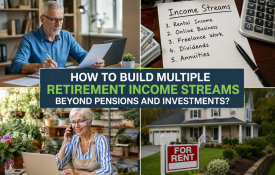
0 How Retirees Can Build Steady Income Beyond Pensions and Investments
How Retirees Can Build Steady Income Beyond Pensions and Investments Many retirees who did everything “right” still feel uneasy when a pension or Social Security becomes their primary source of income and investment balances rise and fall with the market. The challenge is simple: monthly bills don't stop when markets decline, and a fixed income often loses purchasing power over time because of inflation. These are real retirement financial challenges, especially for households focused on maintaining both independence and peace of mind. A smarter approach is to build multiple income streams so your monthly cash flow isn't dependent on a single source. Diversifying your retirement income can help reduce financial stress, improve long-term stability, and provide greater confidence during uncertain economic conditions. Why Multiple Retirement Income Streams Matter At its core, retirement income diversification means having more than one reliable way for money to reach your checking account each month. Some income sources depend on market performance, such as investment withdrawals, while others come from assets you already own or activities you choose to pursue. Think of your retirement like a three-legged stool. One leg may be your pension or Social Security, another your retirement savings, and the third the value you've unlocked from assets you already own. If one leg weakens, the others help keep you financially balanced. This strategy doesn't eliminate risk, but it can reduce the impact of market downturns, inflation, or unexpected expenses. It may also help you avoid withdrawing investments during unfavorable market conditions, allowing your portfolio more time to recover. The goal isn't to create dozens of income streams. It's to build enough reliable sources that no single one carries your entire retirement. Start by Taking Inventory of What You Already Own Before searching for new ways to earn money, take a fresh look at the assets you already have. Many retirees overlook opportunities because they're focused on earning more instead of making better use of what they already own. Your retirement assets may include: Your home and available equity Permanent life insurance policies Retirement accounts Vehicles Garages, workshops, or storage space Valuable collectibles or equipment Professional skills and experience Ask yourself a few simple questions: Does this asset still serve its original purpose? Am I spending money maintaining something I rarely use? Could this asset generate income without creating unnecessary stress? Would converting this asset into cash strengthen my retirement plan? Sometimes the best income opportunities are already sitting in your driveway, basement, or filing cabinet. Enjoying Senior Living Find a Senior Living Facility Near You. Click On Your State To View Listings in Your Area. Find a Community Near You Content Marketing Offers the Highest Return On Investment Online, or content marketing and advertising, is currently the second-highest method of promoting businesses, following only Television, which, for now, remains in the number one position. Experts have predicted that digital ads will surpass TV by 2025 and not look back. For cost-effectiveness and the ability to directly target your audience, nothing matches the ROI of digital marketing. Learn More Digital Marketing Offers Three Opportunities To Reach Your Audience Studies show that the majority of people will use their phones to search for content that addresses their current needs and then switch to their computers for more in-depth research before making final decisions or purchases. With three different platforms, computers, tablets, and phones, it is essential to ensure your audience can follow your content and ads on any device. The upside to this is that you have three opportunities to reach them. All of our Websites are developed to work flawlessly on all three platforms. Learn More Consider Whether a Life Settlement Fits Your Retirement Plan One asset many retirees overlook is an older permanent life insurance policy. Life insurance is often purchased decades before retirement to protect a young family, replace income, or help pay off debt. As life changes, those original needs may no longer exist. Children become financially independent, mortgages are paid off, and retirement savings grow. If you own a permanent life insurance policy that no longer fits your financial goals, you may have several options. Depending on the policy, those options may include surrendering it for its cash value, accessing available policy loans, or, if you're eligible, selling the policy through a life settlement. A life settlement allows qualified policy owners to sell an existing life insurance policy to a third-party buyer for more than its cash surrender value but less than its death benefit. The buyer assumes future premium payments and eventually receives the policy's death benefit. For some retirees, the proceeds can provide funds for healthcare expenses, long-term care, debt reduction, travel, or simply strengthening retirement cash flow. However, a life settlement isn't appropriate for everyone. Selling your policy generally means your beneficiaries will no longer receive the death benefit, and the transaction may have tax implications. Before making any decision, consult qualified financial, tax, and legal professionals to determine whether the option aligns with your overall retirement plan. If you decide to explore a life settlement, consider working with an experienced broker who represents policy owners and can obtain competitive offers from multiple buyers rather than accepting the first offer available. 8 Practical Ways to Create Additional Retirement Income Building multiple retirement income streams doesn't have to mean starting a business or working full-time again. Often, the best opportunities come from assets you already own or skills you've developed over a lifetime. The goal isn't to pursue every idea on this list. Instead, choose one or two strategies that fit your lifestyle, financial goals, and comfort level. Even a modest amount of additional income can reduce pressure on your retirement savings and give you greater flexibility when unexpected expenses arise. 1. Rent Out Unused Storage Space If your garage, basement, attic, or storage shed sits mostly empty, it may be able to generate steady monthly income. Many people need secure storage for seasonal equipment, business inventory, recreational vehicles, or household items but don't require a full self-storage unit. Renting unused space can produce predictable income while allowing you to maintain complete control over your property. Best For: Homeowners with secure, accessible storage space. Things to consider: Create a written agreement, verify your insurance coverage, and clearly define what items can and cannot be stored. Getting started: Research comparable storage rates in your area and begin with a month-to-month agreement until you're comfortable with the arrangement. 2. Rent a Room on Your Terms If you have an extra bedroom, a furnished room rental may provide supplemental income without the commitment of a long-term roommate. Some retirees prefer renting to traveling professionals, visiting nurses, graduate students, or seasonal workers because the arrangements typically have defined end dates. The key is establishing expectations from the beginning, including house rules, guest policies, parking, shared spaces, and quiet hours. Best For: Homeowners who enjoy occasional social interaction and have suitable living space. Things to consider: Review local zoning requirements, rental regulations, and tax obligations before advertising the room. Getting started: Decide what type of renter best matches your lifestyle before creating a listing. 3. Put an Underused Vehicle to Work Many retirees own a second vehicle that's driven only occasionally. Depending on your circumstances, you may be able to generate income by renting the vehicle through a reputable car-sharing platform or by using it for occasional work that fits your schedule. Before moving forward, calculate the true cost of ownership—including fuel, maintenance, depreciation, insurance, and cleaning—to determine whether the income justifies the additional wear and tear. Best For: Owners of reliable vehicles that are seldom used. Things to consider: Confirm that your insurance policy provides appropriate coverage for the intended use. Getting started: Estimate your annual ownership costs before accepting your first booking. 4. Turn Unused Belongings Into Cash Most households accumulate thousands of dollars' worth of items that are rarely used. Tools, sporting equipment, collectibles, furniture, hobby supplies, electronics, and household goods can often be sold through local marketplaces or online platforms. Rather than trying to declutter your entire home in one weekend, set a manageable goal of listing one box of items each week. The process becomes less overwhelming, and the proceeds can help build an emergency fund or supplement monthly income. Best For: Anyone looking for a simple, low-risk way to generate extra cash. Things to consider: Keep records of significant sales, especially if you're selling high-value items. Getting started: Walk through your home with a box and identify items you haven't used in the past year. 5. Turn Your Experience Into Flexible Income Retirement doesn't mean the knowledge you've accumulated over a lifetime loses its value. In fact, your professional experience, hobbies, or specialized skills may be among your most valuable assets. Rather than committing to a traditional part-time job, consider opportunities that let you work on your own terms. Consulting, tutoring, bookkeeping, proofreading, tax preparation, woodworking, photography, music lessons, pet sitting, or teaching community education classes can all provide supplemental income while allowing you to control your schedule. The goal is to earn money without sacrificing the freedom retirement offers. Even working a few hours each week can help cover discretionary expenses such as travel, dining out, or holiday gifts, reducing the need to withdraw additional money from your retirement accounts. Best For: Retirees who enjoy staying active and sharing their expertise. Things to consider: Set clear boundaries around your availability. Retirement should enhance your quality of life—not recreate the demands of a full-time career. Getting started: Make a list of the skills people have asked you for help with over the years. Those requests often reveal services others are willing to pay for. 6. Review Your Life Insurance and Other Financial Assets Many retirees faithfully continue paying premiums on insurance policies purchased decades earlier without revisiting whether those policies still fit their financial goals. An annual review can help you determine whether your coverage remains appropriate, whether your beneficiaries should be updated, or whether changes in your financial situation have created new opportunities. For owners of permanent life insurance, this may include requesting an in-force illustration to better understand the policy's current value, projected performance, and premium requirements. If the policy no longer serves its original purpose, it may also be worth discussing alternatives with a qualified advisor, including surrendering the policy, accessing available cash value, or—if you meet the eligibility requirements—exploring whether a life settlement makes financial sense. Best For: Retirees with older permanent life insurance policies or changing estate planning goals. Things to consider: Decisions involving life insurance can affect beneficiaries, taxes, and long-term financial planning. Review all available options before making changes. Getting started: Schedule a policy review with your insurance professional and request updated policy information before deciding on your next steps. 7. Explore Tax-Smart Retirement Planning Strategies Creating retirement income isn't only about earning more money—it's also about keeping more of what you already have. Tax planning plays an important role in retirement, and one strategy that may be appropriate for some households is a partial Roth conversion. By converting a portion of a traditional IRA to a Roth IRA during lower-income years, some retirees can reduce future required withdrawals and create a source of tax-free qualified withdrawals later in retirement. However, Roth conversions are not one-size-fits-all. The converted amount is generally taxable in the year of the conversion, and it may affect Medicare premiums, the taxation of Social Security benefits, or your overall tax bracket. Best For: Retirees who expect higher future tax rates or want greater flexibility in managing taxable income. Things to consider: Work with a qualified tax professional before making conversion decisions to understand both the immediate and long-term impact. Getting started: Ask your tax advisor to prepare a "what-if" analysis showing how different conversion amounts could affect your taxes over several years. 8. Consider Income-Producing Real Estate Carefully Real estate has long been a popular way to build wealth and generate income, but becoming a landlord isn't the right choice for every retiree. Rental properties can provide ongoing cash flow and long-term appreciation, yet they also come with responsibilities that include maintenance, vacancies, insurance, property taxes, repairs, and compliance with local landlord-tenant laws. If you already own significant home equity, purchasing another property may be one option worth exploring. Some retirees choose to move into a newly purchased home while renting out their previous residence, potentially qualifying for owner-occupied financing on the new home. Others prefer investing in professionally managed rental properties or real estate investment trusts (REITs), which can offer exposure to real estate without directly managing tenants. The best choice depends on your financial goals, risk tolerance, available time, and desire for hands-on involvement. Best For: Retirees with sufficient financial resources, a long-term investment horizon, and an interest in real estate. Things to consider: Carefully evaluate financing costs, cash flow projections, maintenance expenses, and the possibility of extended vacancies before purchasing additional property. Getting started: Prepare a realistic budget that includes mortgage payments, insurance, taxes, maintenance, and vacancy reserves. Then compare your projected return with other investment opportunities before making a decision. Retirement Income Questions People Ask Most When Should I Start Creating Additional Retirement Income Streams? The best time to diversify your retirement income is before you feel financial pressure. Planning ahead allows you to evaluate opportunities carefully rather than making decisions because you're worried about next month's bills. Even one modest source of additional income can make a meaningful difference over time. It may help cover recurring expenses such as insurance premiums, property taxes, or travel while reducing the amount you need to withdraw from retirement accounts. Start with one strategy that matches your lifestyle and review the results after several months. If it fits comfortably into your retirement routine, consider whether adding another income stream makes sense. How Much Additional Income Do I Really Need? That depends on your goals. Some retirees simply want enough extra income to preserve their investment portfolio during market downturns. Others want additional cash flow to fund travel, hobbies, or gifts for family members. Rather than setting an arbitrary income target, begin by identifying your monthly spending gap. Ask yourself: What expenses are already covered by guaranteed income? Which expenses currently require investment withdrawals? How much additional monthly income would make you feel more financially secure? Often, an additional few hundred dollars each month can reduce financial stress more than people expect. Is Passive Income Really Passive? Not always. Many retirement income ideas require some effort to establish and maintain. Rental properties need maintenance. Storage rentals require oversight. Consulting work depends on finding clients. Even dividend investments require periodic review. A better way to think about passive income is as lower-maintenance income, not effort-free income. The objective is to choose income sources that match the amount of time and energy you want to invest during retirement. What Are the Biggest Risks? Every income strategy involves trade-offs. Rental properties may experience vacancies or unexpected repairs. Part-time work requires time and commitment. Selling valuable assets may reduce future appreciation. Life settlements eliminate or reduce the death benefit associated with the policy. Tax strategies such as Roth conversions may increase taxable income in the year of the conversion. The solution isn't avoiding risk altogether. It's understanding the risks before making decisions and selecting strategies that fit your financial goals and personal comfort level. Can Taxes Reduce the Benefits? Yes. Additional income may affect federal and state income taxes, Medicare premiums, taxation of Social Security benefits, or other financial planning considerations. Before implementing a significant strategy, estimate the after-tax benefit rather than focusing only on the gross income. Working with a qualified tax professional can help ensure that an otherwise good financial decision doesn't create unintended tax consequences. How Often Should I Review My Retirement Income Plan? At least once each year. Life changes. Markets change. Tax laws change. Your retirement income plan should evolve as well. An annual review gives you an opportunity to evaluate your income sources, update beneficiaries, reassess insurance needs, review investment withdrawals, and determine whether your current strategy still supports your long-term goals. Small adjustments made consistently are often more effective than major changes made during periods of financial stress. Choosing the Right Strategy for You Not every income strategy belongs in every retirement plan, and that's perfectly okay. Some retirees prioritize predictable monthly income. Others value flexibility, preserving assets for heirs, or minimizing taxes. The right mix depends on your goals, health, family circumstances, and overall financial picture. Rather than trying to implement several ideas at once, choose one strategy that fits comfortably within your lifestyle. Test it, evaluate the results after a few months, and decide whether it deserves a permanent place in your retirement income plan. Small improvements made consistently often have a greater long-term impact than major financial decisions made under pressure. Remember, retirement income isn't about finding one perfect solution. It's about creating a balanced combination of income sources that helps you maintain the lifestyle you've worked so hard to achieve while giving you the confidence to navigate whatever the future may bring. Retirement Income Checklist ✓ I know where every dollar of my retirement income comes from. ✓ No single income source covers all of my monthly expenses. ✓ I've reviewed my insurance policies within the last two years. ✓ I've considered whether underused assets could strengthen my retirement plan. ✓ I understand the tax implications of my withdrawal strategy. ✓ I have an emergency cash reserve. ✓ I review my retirement income plan at least once each year. All Images generated by AI Discover the secrets to aging gracefully and living your best life with Enjoying Aging – your ultimate resource for health, wellness, and financial wisdom! A special thank you to Sasha Moody at The Patient Investor for contributing this article. Sasha Moody is The Patient Investor. She created her website to help people grow their wealth steadily over time. As someone who began learning about the importance of investing just a few years ago, Sasha wanted to find a way to help others who are relatively new to investing build their confidence around it so that they can take advantage of its wealth-building potential. She knows that it can be a daunting task to try and learn everything there is to know about investing, so she has compiled resources and other information on The Patient Investor that she found helpful when she was starting out. If you enjoyed this article or have a topic you would like to suggest for a new article, please leave a comment in the form below.

0 Online Selling Tips for Seniors: How to Avoid Scams and Protect Your Privacy
Online Selling Tips for Seniors: How to Avoid Scams and Protect Your Privacy As seniors navigate the process of decluttering and downsizing, selling items online can be a valuable way to earn extra income and simplify their living space. However, online selling comes with its own set of challenges, including payment concerns, scams, and privacy issues. To help seniors navigate this process with confidence, we have compiled a step-by-step guide to selling items online effectively. Quick Key Takeaways: - Choose a selling platform that fits your comfort level and item types - Price items fairly by comparing similar listings and considering condition and demand - Take clear photos and provide detailed descriptions to build buyer trust - Use secure payment and shipping methods to protect yourself and reduce problems - Watch out for scam warning signs and protect your personal information - Stay organized by keeping track of your listings and sales in a designated space Sell Online Step-by-Step Without Feeling Overwhelmed: Follow these steps to sell items online confidently and easily, avoiding common pitfalls and maximizing your success: 1. Choose a platform that fits your comfort level and item types Select a platform that aligns with your preferences and the types of items you are selling. Consider factors such as local pickup for larger items, shipping for smaller items, or in-person assistance if needed. Compare criteria like fees, payment methods, return policies, and buyer blocking/reporting options. Start with one platform to gain experience before branching out. 2. Price items fairly using a quick and repeatable method Determine the price of your items using a consistent method. Research similar items that have sold recently to set a competitive price based on factors like condition, age, and selling speed. Establish a desired sale price and then a minimum acceptable price before listing, and be prepared to adjust the price or improve photos if needed after 7 to 10 days. 3. Take clear photos that build buyer trust and showcase your items Capture clear photos that inspire buyer confidence. Take pictures with professional lighting or in natural light near a window with a simple background, highlighting the front, back, sides, labels, and any imperfections. Include a scale reference to provide a sense of size. Clear photos reduce inquiries, returns, and ensure smoother transactions. Enjoying Senior Living Find a Senior Living Facility Near You. Click On Your State To View Listings in Your Area. Find a Community Near You Content Marketing Offers the Highest Return On Investment Online, or content marketing and advertising, is currently the second-highest method of promoting businesses, following only Television, which, for now, remains in the number one position. Experts have predicted that digital ads will surpass TV by 2025 and not look back. For cost-effectiveness and the ability to directly target your audience, nothing matches the ROI of digital marketing. Learn More Digital Marketing Offers Three Opportunities To Reach Your Audience Studies show that the majority of people will use their phones to search for content that addresses their current needs and then switch to their computers for more in-depth research before making final decisions or purchases. With three different platforms, computers, tablets, and phones, it is essential to ensure your audience can follow your content and ads on any device. The upside to this is that you have three opportunities to reach them. All of our Websites are developed to work flawlessly on all three platforms. Learn More 4. Write detailed listings that answer buyer questions upfront Craft a listing that anticipates buyers' questions. Use a descriptive title with brand, item name, size, and key features, repeating these details in the description. Mention the condition, measurements, inclusions, and your pickup/shipping arrangements. Add a brief explanation for selling the item and establish clear guidelines on payment, meeting location, and communication preferences. 5. Organize sales like a tiny business to stay on top of your inventory and sales Approach sales with an organized mindset similar to running a small business. Keep a tracking sheet or notebook for each item with listing dates, platforms, prices, buyer information, and payment status. Store sold items in labeled bins to prevent misplacement. Dedicate specific time blocks for messaging and drop-offs to maintain a structured routine. If selling becomes a regular income source, consider seeking business formation advice and exploring different business structures to determine the best fit. Online Marketplaces Compared at a Glance: The following compares common selling platforms to help you find the best fit for your items and selling preferences. These options offer the benefits of each platform, i.e., which is best for large bulky items, electronics, clothing, etc., and then what you should consider when choosing the right media to support your financial goals. Option 1 - Facebook Marketplace (local pickup) Benefit Fast local interest, simple messaging, no listing fee. Best For Furniture, home goods, bulky items. Consideration Meetups require a safety plan and clear boundaries. Option 2 - eBay (national shipping) Benefit Large buyer pool, strong demand for specific items. Best For Electronics, collectibles, parts. Consideration Shipping, fees, and returns take more follow-up. Option 3 - Poshmark (shipping labels) Benefit Streamlined shipping meets buyer expectations for apparel. Best For Clothing, shoes, accessories. Consideration Fees can be higher; photos and sizing must be precise. Option 4 - Craigslist (local, cash) Benefit No shipping needed, direct contact for quick sales. Best For Large items, tools, and older furniture. Consideration More scam attempts; less built-in buyer protection. Option 5 - Consignment shop or dealer Benefit Little tech work, hands-off selling. Best For Higher-value clothing or furniture. Consideration Lower payout because they take a cut. Local pickup of large items saves on shipping costs and is logistically more feasible, while shipping small, high-demand items is more time-consuming, but generally the best option. Improving Your Online Selling Experience: Safety, Privacy, and Convenience FAQs Q: How can I avoid falling victim to scams when selling online? A: Keep all communication and transactions within the platform to minimize the risk of scams. Be wary of individuals who try to switch to text or email communication immediately. Avoid offers of overpayment, gift cards, or urgent requests for someone else to pick up the item. When meeting for local pick-up, choose a public location and only share your address when you feel comfortable doing so. Q: What personal information should I refrain from sharing with buyers? A: Utilize the platform's messaging system instead of sharing your personal phone number or email address. Refrain from providing copies of your ID, bank information, or photos that reveal sensitive details like medication labels or family pictures. Consider setting up a separate email account for selling and using a PO box for shipping returns. Q: How can I handle returns and refunds efficiently? A: Establish a clear return policy before listing your items and include it in the item description. Take photos of the item in working condition, as well as any flaws, and keep copies of shipping receipts. In case of a dispute, remain calm, respond on the platform, and provide supporting evidence such as photos and tracking information. Q: How can I manage my time effectively while selling online? A: Streamline your selling process by batching tasks, such as taking photos for multiple items at once and writing descriptions in one session. Set specific times each day to check and respond to messages to avoid being constantly available. Utilize prewritten responses for frequently asked questions to save time. Q: When should I consider establishing a formal business structure like an LLC? A: If you are selling regularly, dealing with high-value items, or seeking to separate your personal and selling activities, forming an LLC may be beneficial. An LLC can provide asset protection and other advantages. Consider tracking your income and expenses for a month and consulting with a tax professional to determine the best business structure for your goals. You can use your state's Website to establish a business entity for yourself, or there are many services that can assist with the paperwork involved in forming an LLC, allowing you to focus on your selling activities. Build Selling Confidence With One Simple First Online Listing: Start selling online confidently by taking one small step at a time, focusing on safety and ease, and gradually refining your selling process with each sale. By staying consistent and building on your success, you can achieve your decluttering and financial goals while enjoying the benefits of selling online as a senior entrepreneur. All Images generated by AI Discover the secrets to aging gracefully and living your best life with Enjoying Aging – your ultimate resource for health, wellness, and financial wisdom! A special thank you to Greg Pierce at elderimpact.org for contributing this article. If you enjoyed this article or have a topic you would like to suggest for a new article, please leave a comment in the form below.

0 A Guide for Retired Seniors Considering Going Back to School | Tips and Advice
A Guide for Retired Seniors Considering Going Back to School | Tips and Advice ~~~~~~~~~~~~~~ Give thyself time to learn something new and good, and cease to be whirled around. Marcus Aurelius, Roman emperor, Stoic philosopher ~~~~~~~~~~~~~~ Many retired seniors consider returning to school as a way to stay mentally sharp, expand social connections, or finally explore a subject they never had time for earlier in life. The idea can feel exciting—and a little intimidating. The good news? Education in retirement doesn’t have to be overwhelming or all-consuming. With the right planning, learning in later life can be deeply fulfilling, flexible, and surprisingly fun. This guide walks through the academic, financial, and personal factors worth considering before enrolling, so you can choose an experience that truly fits your lifestyle. Quick Summary Returning to school in retirement works best when seniors select programs that align with their interests, energy level, and personal goals. Thoughtful planning around pace, finances, and support systems can turn learning into one of the most rewarding chapters of later life. Key Questions to Ask Before Going Back to School Before enrolling, take a moment to reflect on what you want out of the experience. This brief self-audit can help clarify your direction. 1. Why now? Are you learning for personal enrichment, intellectual stimulation, volunteer work, or a new career path? Defining your motivation helps guide program selection. 2. What’s my energy bandwidth? Are you comfortable with weekly assignments, reading, or deadlines? Some retirees thrive with structure, while others prefer lighter commitments. 3. How do I learn best? Would you enjoy in-person discussions, online courses, or a hybrid format? Learning style matters more than ever. 4. What’s my financial comfort zone? Tuition is only part of the equation—books, supplies, and technology should also be factored in. 5. Is my environment supportive? A quiet study space, encouragement from family, and reliable technology can make a big difference. 6. What outcome would make this worthwhile? A certificate, a degree, new friendships, or simply the joy of learning? Success looks different for everyone. Enjoying Senior Living Find a Senior Living Facility Near You. Click On Your State To View Listings in Your Area. Find a Community Near You Content Marketing Offers the Highest Return On Investment Online, or content marketing and advertising, is currently the second-highest method of promoting businesses, following only Television, which, for now, remains in the number one position. Experts have predicted that digital ads will surpass TV by 2025 and not look back. For cost-effectiveness and the ability to directly target your audience, nothing matches the ROI of digital marketing. Learn More Digital Marketing Offers Three Opportunities To Reach Your Audience Studies show that the majority of people will use their phones to search for content that addresses their current needs and then switch to their computers for more in-depth research before making final decisions or purchases. With three different platforms, computers, tablets, and phones, it is important to make sure your audience can follow your content and ads on any device. The upside to this is that you have three opportunities to reach them. All of our Websites are developed to work flawlessly on all three platforms. Learn More What Often Surprises Older Learners For many seniors, returning to school isn’t about “starting over.” It’s about building on a lifetime of experience. Without the pressure of grades defining future careers, learning often feels richer and more meaningful. Many retired students find they participate more confidently, ask better questions, and enjoy the process far more than they did earlier in life. The Economics of Education in Retirement Cost is a common concern, but education in retirement is often more affordable than expected. Reduced or waived tuition: Many colleges offer discounts or free classes for adults 60+. Modest technology investments: A dependable computer and internet access usually cover most needs. Financial aid still applies: Grants, scholarships, and payment plans are often age-neutral. Lower textbook costs: Libraries, digital rentals, and open-source materials help manage expenses. Minor extra fees: Parking, software, or tutoring may add small costs, but they’re rarely prohibitive. Online Learning and Flexible Degree Options For retirees seeking flexibility, online education can be an ideal fit. Online programs allow you to study at your own pace, revisit recorded lectures, and balance coursework with travel, family time, or health needs. Some seniors explore subjects like psychology, history, writing, or social sciences—fields that encourage reflection, communication, and personal growth. Studying areas such as psychology can also provide insight into human behavior and emotional well-being, knowledge that many retirees use in volunteer roles, caregiving, or community involvement. How to Create a Smooth Re-Entry Plan Step 1: Start small Begin with one course or a short seminar to test your interest and stamina. Step 2: Schedule consistent study time Even two focused sessions per week can build confidence and momentum. Step 3: Use campus support services Orientation sessions, tech help, and library workshops are designed to help adult learners succeed. Step 4: Build connections early Introduce yourself to instructors and classmates. Older learners often enrich discussions with a real-world perspective. Step 5: Reassess after the first term Adjust course load or format as needed. Flexibility is part of the process. Frequently Asked Questions Do I need placement tests? Sometimes. Community colleges may request math or writing assessments, but alternatives are often available for returning students. Is learning harder later in life? The pace may feel different, but seniors bring patience, focus, and life experience that enhance learning. How do I manage health needs alongside coursework? Most institutions are happy to provide accommodations—just communicate early. Will I feel out of place? Most retired students report the opposite. Age diversity often strengthens classroom conversations. Final Thoughts Going back to school in retirement isn’t about proving anything—it’s about curiosity, connection, and continued growth. With thoughtful planning and the right program, learning in later life can become one of the most meaningful and enjoyable experiences of retirement. Education doesn’t have an age limit—it simply evolves with you. Header Image Generated by AI Content Image From: Freepik A special thank you to Mary Shannon at SeniorsMeet.org for contributing this article. Discover the secrets to aging gracefully and living your best life with Enjoying Aging– your ultimate resource for health, wellness, and financial wisdom tailored for the ‘Fun After 50’ crowd! If you enjoyed this article or have a topic you would like to suggest for a new article, please leave a comment in the form below.

0 Caregiving Doesn’t Have to Mean Burnout
Caregiving Doesn’t Have to Mean Burnout Caring for an older adult while juggling work, family, and personal commitments can feel like trying to keep ten plates spinning at once. The responsibilities of—medical appointments, medications, meals, household tasks, and emotional support—can build quickly and leave even the most organized caregiver feeling overwhelmed. But with the right structure, a strong support system, and a few intentional lifestyle shifts, you can create a sustainable routine that protects your wellbeing while ensuring high-quality care for your loved one. Key Takeaways for Quick Reading Build a flexible, prioritized schedule (rigid systems break quickly). Lean on support systems—family, friends, community services, and workplace benefits. Add micro-moments of rest throughout your day. Use caregiver tools, apps, and programs designed to ease the workload. Invest in education or training that strengthens both caregiving and career skills. How to Regain Control of Your Time 1. Prioritize daily tasks by what’s most important. Center your day around essential caregiving activities—medications, meals, hygiene—and schedule other tasks around those anchors. Delegate or delay anything non-urgent. 2. Plan weekly “anchors.” Choose three commitments you’ll hold steady each week: One for work (e.g., a standing team check-in) One for caregiving (like medical appointments) One just for you These simple touchpoints create stability in an otherwise fluid schedule. 3. Batch similar tasks. Put errands, phone calls, emails, and online tasks into clusters. This reduces mental fatigue and helps you stay focused. 4. Share responsibilities. Even delegating a 10–15 minute task—like picking up a prescription or prepping a meal—can meaningfully reduce your cognitive load. 5. Create a “reset ritual.” A short walk, a breathing exercise, or a cup of tea can help you mentally shift between your roles as caregiver, employee, and human being. Enjoying Senior Living Find a Senior Living Facility Near You. Click On Your State To View Listings in Your Area. Find a Community Near You Content Marketing Offers the Highest Return On Investment Online, or content marketing and advertising, is currently the second-highest method of promoting businesses, following only Television, which, for now, remains in the number one position. Experts have predicted that digital ads will surpass TV by 2025 and not look back. For cost-effectiveness and the ability to directly target your audience, nothing matches the ROI of digital marketing. Learn More Digital Marketing Offers Three Opportunities To Reach Your Audience Studies show that the majority of people will use their phones to search for content that addresses their current needs and then switch to their computers for more in-depth research before making final decisions or purchases. With three different platforms, computers, tablets, and phones, it is important to make sure your audience can follow your content and ads on any device. The upside to this is that you have three opportunities to reach them. All of our Websites are developed to work flawlessly on all three platforms. Learn More Education for Empowered Caregiving For caregivers interested in both personal and professional growth, continuing education can be transformative. Programs that blend health administration, leadership, and care coordination offer skills that help you manage complex responsibilities and open doors to career advancement. Many universities now offer flexible online degrees designed specifically for working adults—including caregivers. These programs help you build administrative, communication, and leadership skills that support your caregiving role while expanding long-term career opportunities. If you’re exploring options, look into accredited online healthcare management degrees that accommodate real-world schedules. Build Your Personal System of Support You don’t have to shoulder caregiving alone. A few strategic moves can make your days more manageable: Use community resources. Respite care, transportation services, and in-home assistance can lighten your daily load. Talk to your employer. Many workplaces now offer caregiver benefits, including flexible scheduling or Employee Assistance Programs (EAPs). Lean on technology. Medication reminders, smart home devices, and caregiving apps provide structure and stress relief. Communicate with family. Share schedules, assign tasks, and collaborate transparently to reduce friction and avoid burnout. Managing Stress and Preserving Wellbeing Take five slow, deep breaths before responding to a request. Keep water nearby to stay hydrated. Step outside for fresh air at least once a day. Use short audio meditations, a calming or favorite playlist, or nature sounds to reset your mind. Write down one daily “win” or gratitude per day—big or small. Set a personal “shutdown time” for work tasks. Resource Spotlight: Finding Strength and Community You don’t have to navigate caregiving alone. 211.org provides practical guides, support groups, and emotional health resources—ideal for caregivers who need both guidance and a sense of community. It’s a trusted space to learn, connect, and recharge. FAQ: Common Questions from Caregivers Q1: How can I talk to my employer about caregiving without fear of bias? Emphasize your reliability and come prepared with solutions, such as flexible hours, remote check-ins, or adjusted deadlines that ensure you can continue performing at a high level. Q2: What’s the best way to manage caregiver guilt? Remember that guilt is often a sign of caring deeply, not failing. Rest, breaks for personal time, and delegation of workload help improve the quality of care you provide over the long term. Q3: When should I consider outside help? If you’re consistently losing sleep, missing work obligations, or struggling to keep appointments, it’s time to look into respite care, home health aides, or adult day services. Q4: How do I prevent burnout when there’s no one else to help? Set realistic daily limits, automate repetitive tasks, simplify your environment, and intentionally weave small moments of joy into your day. Contacting a friend or getting 10 minutes of sunlight can be a much-needed respite. Closing Thoughts Caregiving is a long-distance journey. Balance isn’t about doing everything—it’s about doing what matters most with clarity, compassion, and the right support. When you share responsibilities, use available tools, and prioritize your health, you create a sustainable caregiving rhythm that benefits both you and your loved one. Remember: you’re not just a caregiver—you’re the steady force that keeps life moving forward, and you deserve care, too. Header Image via Pexels Caregiver Image Generated by AI A special thank you to Arthur Lloyd at grayhairedlife.com for contributing this article. Discover the secrets to aging gracefully and living your best life with Enjoying Aging– your ultimate resource for health, wellness, and financial wisdom tailored for the ‘Fun After 50’ crowd! If you enjoyed this article or have a topic you would like to suggest for a new article, please leave a comment in the form below.

0 A fresh perspective on aging, purpose, and living well
A fresh perspective on aging, purpose, and living well Embracing the Second Half of Life: How Today’s Seniors Are Redefining Aging. As the aging population continues to grow, our understanding of what it means to grow older is changing. Today’s seniors are redefining the “golden years” by embracing opportunity, rediscovering purpose, and seeking renewed vitality. At the center of this evolution lies one powerful question: How much time do we truly have—and how do we want to use it? This blog explores the shifting landscape of aging, the science of longevity, and the inspiring mindset that can make the second half of life your best chapter yet. A New Perspective on Growing Older For many older adults, aging isn’t just about adding years—it's about adding meaning. It's natural to wonder: Do I have enough time to start a new chapter? Am I healthy enough to take on a long-term goal? How long will my energy and drive last? While no one can see into the future, what we can control is the intention and enthusiasm we bring to each day. The Keys to Longevity and Vitality Research consistently shows that the fundamental pillars of longevity are simple: Stay active Move regularly Eat well Stay engaged socially and mentally With modern healthcare extending both health and lifespan, it’s entirely possible that age 60 is not about slowing down and waiting for the inevitable—it’s the midpoint. That perspective opens the door to an exciting truth: You may have decades ahead to reinvent yourself. Then the question becomes: Do you want those years to be filled with medical appointments… or meaningful goals? Why Purpose Matters—At Every Age Purpose is powerful. It fuels optimism, motivation, and even physical health. One of my favorite 60-year-old optimists captures this spirit beautifully: 'In the second half of my life, I want to make another fortune, own my own airplane so I don’t have to keep flying someone else’s, and I want to become a Tai Chi master. If I am lucky enough to have another sixty years, then let’s get started!' If enthusiasm is half the fuel of success, he’s already halfway there. What Do You Want in Your Second Half of Life? Aging is not a closing chapter—it’s an open invitation. Your goals might include: Learning a new skill or hobby Traveling or exploring new cultures Volunteering or giving back Building deeper relationships Launching a creative or professional project Strengthening your physical and emotional health Enjoying Senior Living Find a Senior Living Facility Near You. Click On Your State To View Listings in Your Area. Find a Community Near You Content Marketing Offers the Highest Return On Investment Online, or content marketing and advertising, is currently the second-highest method of promoting businesses, following only Television, which, for now, remains in the number one position. Experts have predicted that digital ads will surpass TV by 2025 and not look back. For cost-effectiveness and the ability to directly target your audience, nothing matches the ROI of digital marketing. Learn More Digital Marketing Offers Three Opportunities To Reach Your Audience Studies show that the majority of people will use their phones to search for content that addresses their current needs and then switch to their computers for more in-depth research before making final decisions or purchases. With three different platforms, computers, tablets, and phones, it is important to make sure your audience can follow your content and ads on any device. The upside to this is that you have three opportunities to reach them. All of our Websites are developed to work flawlessly on all three platforms. Learn More Whatever your aspirations, your “second half” is the perfect place to begin. Top 10 Ways Seniors Are Enjoying Aging Here are 10 inspiring ways seniors are embracing aging and thriving in their golden years. 1. Participate in Physical Activities One of the main benefits of staying active for seniors is to maintain health and vitality as we age. One of the top wellness activities for seniors is regular exercise. Physical exercise supports strength, mobility, and independence — while boosting mood and energy levels. Many active seniors join fitness classes, walking groups, or local sports leagues, such as golf or Pickleball, to stay fit and socialize. Gentle activities like yoga and Tai Chi improve flexibility and balance, while swimming and water aerobics are easy on the joints. Before beginning any new exercise routine, it’s always smart to consult a healthcare provider. Staying active not only strengthens the body but also enhances mental well-being, reduces stress, and promotes better sleep. 2. Engage in Social Activities Strong social connections are essential to happiness and longevity. Participating in community events, book clubs, or volunteer programs helps seniors meet new people, share interests, and feel part of something larger. Social engagement also helps prevent isolation, promotes emotional well-being, and builds a support network of friends and peers. Whether it’s attending a local festival or joining a community class, connections are the key to a fulfilling life. 3. Pursue Hobbies and Interests Hobbies give life texture and joy. Seniors are rediscovering old passions and exploring new ones — from painting and gardening to playing an instrument or learning a new language. Creative and skill-based activities stimulate the mind, build confidence, and provide a wonderful sense of accomplishment. Travel is another powerful form of enrichment — whether through road trips, cruises, globetrotting, or local adventures — it requires getting out and being active. By pursuing hobbies and interests, seniors remain curious, expressive, and deeply connected to what makes them feel alive. 4. Embrace Technology More and more seniors are discovering how technology can enhance their daily lives. From video chatting with loved ones to shopping online, technology brings convenience, connection, and confidence. Social media platforms like Facebook and Instagram help older adults share photos, join interest groups, and stay in touch. Many also use smartphones and tablets for news, health tracking, and online learning. Embracing digital tools keeps seniors engaged, informed, and empowered — proving that innovation has no age limit. 5. Spend Time with Family Family time is one of life’s greatest gifts. Whether it’s hosting Sunday dinners, attending reunions, or traveling together, spending time with loved ones helps seniors feel supported, valued, and connected. Grandparents often find deep joy in babysitting or mentoring their grandchildren, sharing stories, and passing down traditions. These intergenerational moments create a legacy of love that strengthens family bonds for years to come. 6. Engage in Lifelong Learning Curiosity doesn’t retire. Many seniors are embracing lifelong learning through online courses, community lectures, and book clubs. These opportunities keep the mind sharp and encourage meaningful discussion. Exploring topics like history, art, or science stimulates cognitive function and promotes a sense of accomplishment. Studies show that ongoing learning can even help prevent memory decline and improve mental agility. Every new skill or subject mastered adds depth and excitement to life — at any age. 7. Enjoy Culinary Experiences Food has a unique way of bringing people together. Seniors are exploring new recipes, discovering local restaurants, and even hosting dinner parties for family and friends. Cooking at home encourages healthy, nutritious eating habits for older adults, while dining out offers social connection and new culinary adventures. From comfort foods to global cuisine, each meal is a chance to savor life’s flavors and make lasting memories. 8. Cultivate Mindfulness and Relaxation Mindfulness is becoming an essential part of healthy aging. Seniors are turning to yoga, Tai Chi, and meditation to strengthen both body and mind, reduce stress, and improve emotional balance. Spending time in nature — gardening, walking, or simply sitting outdoors — helps calm the mind and foster gratitude. Quiet moments spent reading, journaling, or listening to music emphasize the importance of mental health in aging and also encourages peace and self-reflection. By embracing mindfulness, seniors find clarity, contentment, and a renewed appreciation for life’s simple joys. 9. Seek Out New Experiences and Challenges Age is not a barrier — it’s an opportunity. Seniors today are saying “yes” to adventure by trying new things, learning fresh skills, and facing challenges with confidence. Whether it’s taking a dance class, volunteering for a cause, or pursuing a lifelong dream, new experiences keep the mind sharp and the spirit energized. Growth and discovery are timeless pursuits, and how seniors can find new purpose after retirement. 10. Revisit Old Passions Sometimes, rediscovering joy means returning to the things we once loved. Many seniors are reviving past hobbies — from painting and cycling to dancing or even motorcycling. Reconnecting with these passions rekindles excitement, builds confidence, and strengthens both body and soul. With a bit of preparation and determination, it’s never too late to reignite an old flame. The second half of life is not about limits—it’s about possibilities. With better health, greater awareness, and more opportunities than ever before, today’s seniors are proving that aging can be bold, purposeful, and fully alive. So ask yourself: ✨ What do you want this next chapter to look like? ✨ And what steps can you take today to begin writing it? Your future is calling—and it’s full of potential. Header Image Generated by AI Mature man with a skateboard Image by Freepik Tai Chi Class Image by Freepik Older couple riding a motorcycle Image by Freepik Discover the secrets to aging joyfully and living your best life with Enjoying Aging– your ultimate resource for health, wellness, and financial wisdom tailored for the ‘Fun After 50’ crowd! A special thank you to Rob Harris for contributing to this article. If you enjoyed this article or have a topic you would like to suggest for a new article, please leave a comment in the form below.

0 How To Manage Appointment Anxiety Over Doctors' Visits
How To Manage Appointment Anxiety Over Doctors' Visits While appointment anxiety can apply to various situations, such as job interviews, attorney consultations, financial advisors, and hair and nail salons, today we will focus primarily on doctor’s visits. Appointment anxiety before and during a doctor’s visit is far more common than you may think. Nearly half of American adults (48%) reported feeling anxious before a doctor's appointment in a 2023 survey, an increase from (39%) the previous year. About two-thirds (69%) of people in another 2023 survey experienced anxiety about scheduling medical appointments of all types, including eye doctors, dentists, etc. This article addresses common appointment anxiety, not iatrophobia (fear of doctors), which may require a specific type of therapy. Many people feel their nerves spike in the days or hours leading up to an appointment, even for routine check-ups. It can show up as trouble sleeping, overthinking worst-case scenarios, physical tension, or even feeling tempted to cancel appointments due to fear, lack of preparation, or financial concerns. Doctor appointment anxiety can be broken down into manageable categories if you understand the root causes. You should not avoid medical care when you’re sick due to extreme anxiety or panic attacks. In most cases, your doctor will need to see you to perform a proper exam, but in some situations, you may be able to use Telemedicine or a video call over the phone, tablet, or computer. The following are a few ideas that can help you reduce or eliminate some of the fear and anxiety associated with upcoming appointments. First, What Is The Actual Fear? Appointment anxiety is usually not about the appointment itself, but about what you think might happen. The thoughts that run through your mind leading up to a doctor’s visit can cause you to experience physical and emotional distress. Here are some common feelings reported by most people surveyed. What if they find something wrong? What if I forget what I meant to ask? What if they dismiss me or don’t listen? What if I seem like I’m overreacting? What if I waste their time? Once you know your version of the worry, you can: Prepare mentally so it feels less stressful. Build a simple toolkit to take to the appointment with you. Second, Normalize It Anxiety before medical appointments is often rooted in uncertainty, loss of control, or fear of bad news. Recognizing why your body is reacting can take some of the edge off and help you tone down the symptoms and cope with the fears. Third, Prepare In Advance Enjoying Senior Living Find a Senior Living Facility Near You. Click On Your State To View Listings in Your Area. Find a Community Near You Content Marketing Offers the Highest Return On Investment Online, or content marketing and advertising, is currently the second-highest method of promoting businesses, following only Television, which, for now, remains in the number one position. Experts have predicted that digital ads will surpass TV by 2025 and not look back. For cost-effectiveness and the ability to directly target your audience, nothing matches the ROI of digital marketing. Learn More Digital Marketing Offers Three Opportunities To Reach Your Audience Studies show that the majority of people will use their phones to search for content that addresses their current needs and then switch to their computers for more in-depth research before making final decisions or purchases. With three different platforms, computers, tablets, and phones, it is important to make sure your audience can follow your content and ads on any device. The upside to this is you have three opportunities to reach them. All of our Websites are developed to work flawlessly on all three platforms. Learn More Write down symptoms, questions, and concerns so you don’t have to rely on memory. Bring a notebook or use your phone to write down or record the doctor's answers. Decide what’s most important to share, so you leave with a sense of being heard. Fourth, Reframe The Visit Have a positive mindset going into the appointment, knowing that you are taking steps to improve your health and well-being. Trust that the doctor has your best interests at heart and is there to provide guidance and support. Remember that it is okay to not have all the answers and that it is a process of working together to find solutions. Let go of any preconceived notions or anxiety about the appointment and focus on being open and honest about your concerns. Embrace the opportunity to work with a healthcare professional to achieve a positive outcome together. Try to view the appointment as a collaborative check-in rather than a test you can pass or fail. Remind yourself that doctors are there to help, not to judge. Remember that these are humans just like you, and many have already experienced the problems you’re there to discuss. Expect empathy and compassion, and stop looking for scenarios that don’t exist. Fifth, Anxiety Management Tools Practice grounding techniques (e.g., name 5 things you can see, 4 things you can touch, 3 things you can hear, 2 things you can smell, and 1 thing you can taste. Breathing exercises: slow, deep breaths in through the nose, longer exhale through the mouth. Listen to calming music or a podcast on the way there to occupy your mind. Sixth, Bring Support If Possible Having a support person with you can help alleviate any anxiety or fear you may be experiencing. They can provide emotional support, ask questions that you may not think of, and help you remember important information that the healthcare provider discusses. Bringing a loved one with you can help ensure that you fully understand the treatment plan and any instructions given by the healthcare provider. They can help advocate for you and ensure that your needs and concerns are addressed during the appointment. Overall, having a trusted family member or friend with you during medical appointments can provide comfort, support, and assistance in understanding and navigating the healthcare system. It can help you feel more confident and empowered in managing your health and well-being. Having a trusted family member or friend with you can reduce the sense of being alone. Whether they enter the office with you or not is strictly up to you, but most practices have no problem with spouses or friends attending the visit together, especially with older couples. They fully understand that two minds, or memories, are better than one and are happy to take the time to explain their diagnosis in full detail. Seventh, Plan A Reward Having something to look forward to after a visit, like treating yourself to your favorite snack, going for a walk in nature, or having a call with a friend, can help boost your mood and make the experience more enjoyable. It's important to take care of yourself and show yourself some love after completing a task or appointment. Rewarding yourself with an activity that brings you joy is a great way to celebrate your accomplishments and recharge your mental energy. It's all about finding balance and making self-care a priority in your daily routine. Plan a practical, ready-to-use, step-by-step routine you can follow the day before and the day of an appointment to help manage the buildup of anxiety. Day Before — Prep To Reduce Uncertainty (30–45 Minutes) Collect Essentials (10–15 min) — Put together insurance cards, photo IDs, a list of medications (name, dose, when taken), allergy list, recent symptom notes, any test results, and prior visit notes. Write your Top 3 priorities to cover with the clinician (one short sentence each). Make Logistics Foolproof (5 min) — Confirm appointment time, address, parking/entrance, and how long it takes to get there. Set a phone reminder to leave with a 15–30 minute buffer. Practice A Short Calming Routine (10–15 min) — Try Box breathing: inhale 4s — hold 4s — exhale 4s — hold 4s. Repeat 4 times. Or try Progressive Muscle Relaxation (quick): tense each major muscle group 4 to 6 seconds each, then release (feet → calves → thighs → abdomen → shoulders → jaw). Sleep & Stimulant Plan — Cut caffeine mid-afternoon if you’re sensitive, avoid heavy alcohol before sleep, and aim for a relaxing wind-down (screens off 30–60 min before bedtime if possible). Pack A Comfort Bag — Include a folder and pen for notes, water, a light snack, a favorite book, headphones, a sweater, a phone charger, and anything that comforts you. Plan A Post-Visit Reward — Pick something simple and definite (favorite coffee, a walk, a show) to give your brain a positive outcome to anticipate. Morning Of — Set The Tone (30–60 Minutes) Give Yourself Extra Time — Wake up with 30–60 minutes of breathing room so you’re not rushed. Move Briefly (5–10 Min) — Gentle stretching or a short walk to lower adrenaline. Eat Something Light — Find something with low sugar but high in protein to steady blood sugar (helps reduce anxiety for many people). 5-Minute Calming Practice — Brief box breathing or 5-4-3-2-1 grounding (see below). Final Check — Glance at your Top 3 priorities list and place it at the top of your folder/phone notes. Place your comfort bag by the door. On The Way — Waiting Room — Manage Surges If Anxiety Rises — Use the 5-4-3-2-1 grounding method — name 5 things you can see, 4 things you can touch, 3 things you can hear, 2 things you can smell, and 1 thing you can taste. Use Distraction Tools — Calming tones or musical playlist, short podcast, crossword puzzle, or a breathing app. If You Want Company — Call or text your designated support person and ask for a quick voice check-in while you wait. During The Appointment — Stay In Control Open With A Brief Script (Helps Set Expectations) — Quick heads up: I get very anxious at appointments. I may need you to slow down or repeat things. My top concerns today are: 1) ___ 2) ___ 3) ____. Ask For Clarification If Anything Is Too Fast Or Confusing — Don’t be shy or embarrassed to ask for clarification. Say: Could you say that again more slowly, please? Or, can you write that down for me? Most medical practices have implemented some type of medical records program to record each patient visit. Confirm that you have access to those records so you can go back and read what was discussed during your visit. Take Notes, Or Ask If You Can Record The Visit (Ask Permission First) — If memory is a problem, say: May I record this visit so I don’t have to try to remember everything that was said? Could you summarize the key next steps, please? Again, most doctors are required to keep accurate notes of your visit in a patient portal, so make sure you can access it from home. If You’re Feeling Overwhelmed Mid-Visit — Ask for 1–2 minutes to regain your composure; practice 3 slow, deep breaths while the clinician waits, they’re used to pauses. If You Have A Panic Attack Or Big Spike Of Anxiety Ground + Breathe — Perform the 5-4-3-2-1 method, then box breathing (inhale 4s — hold 4s — exhale 4s — hold 4s), repeat until steadier. Sit Down — Loosen tight clothing, sip some water. Tell The Staff — I’m having a panic attack and need a few minutes. They can offer a quiet space if needed, but don’t be embarrassed to ask for what you need to help this pass. If Chest Pain, Fainting, Or Other Symptoms Occur — If you think you are having a medical emergency, seek immediate medical attention (call emergency services). After The Appointment — Consolidate & Reward Summarize Out Loud — So my next steps are ___, ___, and ___, is that right? (This reduces miscommunications.) Write or Voice-Memo The Key Actions — Follow-up appointments, tests, prescriptions, red-flag symptoms, etc. Reflect Briefly — What went well, what would you change next time (keeps you improving). Do The Reward You Planned — Positive reinforcement helps your brain re-learn that appointments aren’t only about stress. If the above information has helped, congratulations; however, if you are still experiencing difficulty, consider therapy or counseling. If anxiety before medical appointments is a persistent issue, seeking professional help from a therapist or counselor can provide strategies to manage and cope with anxiety. Remember that it's normal to feel anxious before medical appointments, but with the right strategies and support, you can learn to better manage your anxiety and navigate appointments with greater ease. Practicing relaxation techniques such as deep breathing, meditation, or visualization can help calm your nerves before and during the appointment. Taking care of your physical and mental health through exercise, healthy eating, and self-care can also help manage anxiety in the long term. If you’re one of the 1 in 2 American adults suffering from appointment anxiety, you know this is no laughing matter. Remember that the caregivers in the office are people just like you. They could be your neighbors, members of a local church, friends of a friend, or someone else. They are there to help you, not judge you, and genuinely care about your well-being. The office building is no different than any other building you’ve ever been to and has nothing in it intimidating or scary. Planning ahead can be all that is necessary to see you through your next, and all future doctors’ appointments. Discover the secrets to aging joyfully and living your best life with Enjoying Aging– your ultimate resource for health, wellness, and financial wisdom tailored for the ‘Fun After 50’ crowd! Header Image by Freepik Content Image by Freepik A special thank you to Rob Harris for contributing this article. If you enjoyed this article or have a topic you would like to suggest for a new article, please leave a comment in the form below.

0 A Guide to Finding a Self-sustaining Homestead for Retirement
Retirement doesn't always mean slowing down. For some, it signifies the beginning of a quieter yet deeply engaging chapter in life, where self-sufficiency and simple pleasures take center stage. Activities like gardening, raising chickens, beekeeping, and preserving your own harvest aren't just hobbies—they become a rhythm, a form of daily meditation that provides a sense of purpose with tangible rewards. Before you dive into composting or constructing raised plant beds, take a moment to consider what type of home will best support your lifestyle and long-term needs. Finding the right environment is crucial for nurturing your passions and ensuring a sustainable retirement. Land That Doesn’t Bite Back The idea of owning a sprawling ten-acre plot may sound like paradise, but it's essential to consider practicality—especially your physical limitations. You want a piece of land that encourages you to use it rather than one that overwhelms you. Typically, one to three acres is sufficient for raising chickens, growing vegetables, and planting a few fruit trees without turning your retirement into unpaid labor. When searching for land, avoid steep slopes and dense woods that require extensive clearing. Instead, look for flat, well-drained land that has already been maintained. Remember, you’re not just purchasing space; you’re investing in the energy and time required for upkeep. Soil, Sunlight, and the Subtle Art of Microclimates Not all soil is created equal. Before you fall in love with a home’s charm, you need to get your hands dirty—literally. Test the soil or ask about its previous use, especially if you plan to grow more than just herbs in pots. A south-facing exposure is ideal for most gardens, but even within a single plot, conditions such as shade and moisture can differ significantly. Look for signs of where frost tends to linger, where water pools, and where the sun hits first in the morning. Understanding these microclimates in your own yard can make all the difference for a successful growing season. Accessible Layouts with Hidden Value Aging in place is about maintaining your home’s character and charm while also embracing practicality. Choose a house that supports you through every stage of life, not just the present. Opt for single-level layouts or homes with the primary bedroom and bathroom conveniently located on the main floor. Features like wide doorways, zero-threshold entries, and walk-in showers may not feel vital now, but they will significantly enhance your comfort later on. Open floor plans and abundant natural light not only create an inviting atmosphere but also promote overall well-being, making your living space a true sanctuary. Turn It Into Income For many retirees, what starts as a simple homesteading hobby can transform into a rewarding small business opportunity. Imagine selling fresh, locally produced eggs at Enjoying Senior Living Find a Senior Living Facility Near You. Click On Your State To View Listings in Your Area. Find a Community Near You Content Marketing Offers the Highest Return On Investment Online, or content marketing and advertising, is currently the second-highest method of promoting businesses, following only Television, which, for now, remains in the number one position. Experts have predicted that digital ads will surpass TV by 2025 and not look back. For cost-effectiveness and the ability to directly target your audience, nothing matches the ROI of digital marketing. Learn More Digital Marketing Offers Three Opportunities To Reach Your Audience Studies show that the majority of people will use their phones to search for content that addresses their current needs and then switch to their computers for more in-depth research before making final decisions or purchases. With three different platforms, computers, tablets, and phones, it is important to make sure your audience can follow your content and ads on any device. The upside to this is you have three opportunities to reach them. All of our Websites are developed to work flawlessly on all three platforms. Learn More the farmers' market or bottling your unique homemade hot sauce for local shops. To make this transition smoother and more successful, earning a business management degree can equip you with essential skills in leadership, operations, and project management. Online degree programs offer the flexibility you need to balance running your homestead business while completing your coursework. With the right resources and a determined mindset, your backyard passion can flourish into a sustainable and thriving enterprise. Neighbors Who Understand the Rooster Community is essential, particularly if you envision a lifestyle filled with compost piles and the sound of roosters at dawn. Embrace a connected life where you are not isolated, yet you have access to zoning that supports animals, outbuildings, and even a charming farm stand. Seek out areas where this way of living is already thriving, like rural towns with Community Supported Agriculture (CSA) programs or neighborhoods that embody agrarian values. Strong fences can provide privacy, but the true asset is having neighbors who appreciate your desire to plant an orchard in your front yard rather than report you to code enforcement. Choose your community wisely and cultivate a fulfilling lifestyle! Water Rights and the Quiet Power of Wells You can certainly grow a garden without love, but without water, it's nearly impossible. In rural regions, wells are the lifeblood of your gardening efforts, and understanding their flow rate, maintenance history, and depth is crucial. If irrigation is part of your vision, make sure your system is designed to accommodate it. While collecting rainwater can provide an extra boost, remember that not all states allow it without regulations, so it's essential to familiarize yourself with local laws. Water is the foundation of every homestead, and unlike the convenience of municipal taps, your supply may rely on choices made long ago. Make sure you're prepared! Seasons, Systems, and the Truth About Heating Aging in place means enjoying the comforts of home during the winter without the hassle of fixing heater issues. Focus on your HVAC system, proper insulation, and whether your home is suitable for its climate. While a wood stove may seem charming, consider whether there's a backup heating solution if chopping wood isn’t feasible one year. Investing in solar panels, geothermal heating, and energy-efficient upgrades not only reduces long-term expenses but also enhances your home’s resilience. Remember, while reliability might not seem to be important now, it becomes essential as you age. Acquiring a retirement homestead is more than merely completing a transaction; it’s a commitment to a lifestyle that grows with you. It's about finding a balance between aspiration and comfort, hard work and relaxation, independence and planning for the future. The ideal home offers not only land and charm but also the peace of mind that you can continue enjoying your passions without compromising your health and well-being. Make this investment in your future a true reflection of your desire to live a sustainable life with less concern for the outside world. Discover the secrets to aging joyfully and living your best life with Enjoying Aging– your ultimate resource for health, wellness, and financial wisdom tailored for the ‘Fun After 50’ crowd! Header Image by Pexels Content Image by Freepik A special thank you to Mary Shannon at SeniorsMeet.org for contributing this article. If you enjoyed this article, or have a topic you would like to suggest for a new article, please leave a comment in the form below.

0 Staying Steady: Practical Stress Relief for Life After 50
Staying Steady: Practical Stress Relief for Life After 50 Aging doesn’t mean that stress suddenly disappears; it often transforms into different challenges. Instead of worrying about deadlines, you may find yourself confronting health issues, managing finances, or balancing the responsibilities of caring for aging parents while still parenting your own children. For many over 50, this juggling act doesn’t slow down; it merely changes its focus. However, the empowering news is that you have a wealth of experience to draw from. You've spent years learning what truly matters and what can be postponed. This hard-earned wisdom is an invaluable resource for navigating and reducing stress effectively. Stay Physically in Motion, Even When You’d Rather Not Let’s face it: as we age, our joints can get creaky, our motivation can falter, and the couch can become increasingly inviting. Yet, movement continues to be one of the most powerful tools for alleviating stress. You don’t need to run a marathon or master yoga on a paddleboard—just commit to moving your body regularly. A brief 30-minute walk paired with gentle stretching can work wonders for your stress levels. Give in to the power of movement, and your mind and body will thank you for it! Exercise More, Stress Less There’s an old saying: if you can speak three sentences while you’re working out, you need to step it up a little. If you can say only three or four words between each breath, you’re making progress. If you can say just one word between breaths, you’re getting the best workout. Lastly, if you can sing while exercising, you might as well stop and go home because you’re not benefiting from it. There are many advantages to exercising regularly and passionately, with one of the best outcomes being reduced stress. Moving is essential, and it's a far better choice than adopting a sedentary lifestyle. However, what your body truly craves is vigorous exercise at least three times a week. This level of activity not only serves as one of the most effective forms of stress relief but also enhances mental clarity and focus. As we age, our bodies naturally experience a decline in muscle mass, bone density, energy, and stamina. At the same time, we may see increases in unwanted factors such as cholesterol, triglycerides, glucose, and A1c levels. In most cases, one of the first recommendations from your doctor is to improve your diet and engage in regular exercise. Not only will this benefit your internal health, but it will also enhance your outward appearance. With a healthier lifestyle, you can achieve a better-looking physique, reduce weight, increase muscle tone, and enjoy healthier skin, hair, and nails. This transformation boosts your self-confidence, enhances your capacity for engaging in more rigorous activities, and enriches both your social and personal life. Embrace this journey, and relish the benefits that follow! Enjoying Senior Living Find a Senior Living Facility Near You. Click On Your State To View Listings in Your Area. Find a Community Near You Content Marketing Offers the Highest Return On Investment Online, or content marketing and advertising, is currently the second-highest method of promoting businesses, following only Television, which, for now, remains in the number one position. Experts have predicted that digital ads will surpass TV by 2025 and not look back. For cost-effectiveness and the ability to directly target your audience, nothing matches the ROI of digital marketing. Learn More Digital Marketing Offers Three Opportunities To Reach Your Audience Studies show that the majority of people will use their phones to search for content that addresses their current needs and then switch to their computers for more in-depth research before making final decisions or purchases. With three different platforms, computers, tablets, and phones, it is essential to ensure your audience can follow your content and ads on any device. The upside to this is that you have three opportunities to reach them. All of our Websites are developed to work flawlessly on all three platforms. Learn More Nourish Your Mind Like You Do Your Body You already know how to take care of your body—what to eat, what to avoid, and how to enjoy occasional treats without feeling guilty. Now, consider extending that same care to your mind. This might mean unfollowing people who drain your energy, reading uplifting books, or trying new brain games that stimulate your thinking. Learning a new language, picking up a hobby, or even listening to music you loved in high school can help break the cycle of stress and bring back some joy. Explore Alternative Paths to Calm DISCLAIMER – While supplements may have some health benefits in the short term, studies have shown that long-term use of some supplements may have adverse and even harmful side effects. For example, long-term use of ashwagandha may cause liver damage. Supplement use combined with certain medications can cause severe complications and even death. Always check with your physician before starting or stopping supplement use, especially if you are taking prescription medications of any type. Not every avenue for stress relief requires a visit to a therapist's office or a yoga class. Sometimes, simple plant-based or herbal remedies can help you feel more grounded without drastically changing your lifestyle. For instance, green tea offers a gentle boost due to L-theanine, an amino acid that promotes calm focus. Ashwagandha, an adaptogenic herb used for centuries in Ayurvedic medicine, helps regulate cortisol levels and balance the body’s stress response. Passion Flower and Lemon Balm are suitable options for easing tension, having a calming effect on your mood, and promoting better sleep, without altering your mental state. Consider these natural supplements for a more serene lifestyle! Make Peace with Saying “No” One of the most powerful yet often overlooked stress relief strategies is the act of protecting your time. At this point in your life, your calendar shouldn't resemble that of a 25-year-old trying to impress others. You’ve earned the right to be discerning with your commitments. This means you can confidently decline the dinner invitation you’re not feeling up to, say no to a committee you didn’t ask to join, or simply declare, “not today” when your energy is running low. The world will continue to turn without your constant endorsement, and your nervous system will be grateful for the break. Redefine What Rest Looks Like Rest is not an indication of laziness, nor does it always mean being inactive. Consider how rest can take the form of nurturing your garden, reminiscing through an old photo album, or savoring a beloved book on your porch for the third time. It’s about engaging in activities that ease your tension and help you breathe deeply, rather than just getting things done. Remember, you don’t have to justify your need for rest—you simply need to recognize when it’s time to take a break. Be Ruthless About Sleep As you age, your sleep patterns can become unpredictable—sometimes you drift off in seconds, and other times your mind races with endless thoughts. One of the most valuable gifts you can give yourself is a sleep routine that honors your body’s evolving needs. Consider cutting back on caffeine in the afternoon, dimming the lights as evening approaches, or listening to soothing sounds to help ease you into rest. Focus on creating intentional habits rather than striving for perfection. Taking these steps can significantly enhance your sleep quality and overall well-being. Get Honest About Loneliness Stress and loneliness often go hand in hand. After the age of 50, it can feel like your social circle is getting smaller—children leave home, friends relocate, and you begin to recognize who truly remains in your life. Ignoring these feelings won't make them disappear; instead, it can deepen the sense of isolation. Reaching out can help alleviate the burden, whether it’s joining a walking group, calling a friend, or simply saying hello to a neighbor; these small steps can make a big difference. You don't need a large crowd; a few people who remind you that you’re not alone can be all you need to relieve the stress associated with loneliness. Laugh, Loud and Often It might sound cliché, but laughter is one of the most powerful and underappreciated tools for lowering stress. Find a comedy that makes you laugh until you snort. Share hilarious stories with a friend who knows all your quirks and secrets. Allow yourself to chuckle at the absurd situations life throws your way—you’ve encountered more than enough of them by now. While laughter may not solve every issue, it certainly lightens the load and makes challenges feel more manageable. Stress is an inevitable part of life, and it won't disappear no matter how many candles you blow out on your birthday. What truly matters is how you manage it, respond to it, and prioritize your well-being amidst it all. Perfection and emotional invincibility are unrealistic expectations—that's not the goal. Instead, strive to navigate your days with greater self-respect, reduced pressure, and a deep awareness that your life experiences have equipped you to handle whatever challenges arise. Embrace this perspective, and you'll find that you have the strength to thrive. Discover the secrets to aging gracefully and living your best life with Enjoying Aging – your ultimate resource for health, wellness, and financial wisdom! Cover Image via Freepik Other Images via Freepik Other Images via Freepik A special thank you to Arthur Lloyd at grayhairedlife.com for contributing this article. If you enjoyed this article or have a topic you would like to suggest for a new article, please leave a comment in the form below.

0 When the House Gets Too Big: A Senior’s Guide to Smart Downsizing
When the House Gets Too Big: A Senior’s Guide to Smart Downsizing You stand in the doorway of a room you haven’t used in three years. Maybe it’s full of books you swore you’d read or an old treadmill draped in forgotten clothes. The silence hums. Downsizing isn’t just about square footage, it’s about finally facing the echo of too much space. It’s a decision layered with emotion, math, logistics, and a little bit of stubborn pride. But if you're willing to sift through the details, you’ll find that the right move—literally and figuratively—can lead to a lighter, richer life. The Weight of Letting Go It starts with cherished memories. The height marks on the doorframe, the scratches on the coffee table made by your grandkids—all these touchpoints tell your story. While you know you can't take everything with you, how do you decide what to let go of? For many older adults, the emotional weight of their belongings makes downsizing a daunting task. This is where you detach yourself and let go of simple possessions without erasing your history. Rather than fixating on what you're leaving behind, think about who might benefit from the treasures you pass on. A friend's daughter who needs furniture, a local shelter in need of linens, or family members who would find joy in keeping a piece of your legacy in their homes. Sharing your story is a way to ensure that your memories continue to live on in the hearts of others. Digital Help for Repairs Fortunately, technology has evolved to help manage the chaos. If your to-do list feels overwhelming, apps designed for home maintenance can make your moving process smoother. With just a few taps, you can explore local home repair services, schedule repairs, and receive real quotes from vetted professionals. These platforms often feature user-friendly dashboards that allow you to track the status of work, mark completed tasks, and access appliance manuals or warranty information. Although it may seem like a small detail, using these tools can change repairs from a logistical nightmare into a manageable checklist that you can actually complete. The Dollars Behind the Decision Money is always a part of the conversation when it comes to downsizing. Whether your house is paid off or not, downsizing can help you unlock equity, reduce utility bills, and eliminate the ongoing costs of maintenance. Advisors who specialize in retirement planning emphasize the financial benefits of downsizing, showing how selling your current home can extend your savings. By downsizing, you’re not just freeing up funds; you're also buying back time—time that would otherwise be spent on mowing the lawn, making repairs, or worrying about the condition of your roof this winter. Make the smart choice—take control of your future today. Picking a New Nest Once you've made the decision to move, the next question is, where will you go? Do you want to be near family? Are you looking for walkable streets and nearby shops? Do you dream of living among palm trees, or are Enjoying Senior Living Find a Senior Living Facility Near You. Click On Your State To View Listings in Your Area. Find a Community Near You Content Marketing Offers the Highest Return On Investment Online, or content marketing and advertising, is currently the second-highest method of promoting businesses, following only Television, which, for now, remains in the number one position. Experts have predicted that digital ads will surpass TV by 2025 and not look back. For cost-effectiveness, and the ability to directly target your audience, nothing matches the ROI of digital marketing. Learn More Digital Marketing Offers Three Opportunities To Reach Your Audience Studies show that the majority of people will use their phones to search for content that addresses their current needs and then switch to their computers for more in-depth research before making final decisions or purchases. With three different platforms, computers, tablets, and phones, it is important to make sure your audience can follow your content and ads on any device. The upside to this is that you have three opportunities to reach them. All of our Websites are developed to work flawlessly on all three platforms. Learn More you simply seeking a place with fewer stairs? There isn't a one-size-fits-all answer, but experts advise seniors to consider various factors when choosing a new neighborhood. Think about your lifestyle, accessibility, and future healthcare needs. Your choice isn’t just about where you'll live; it's also about how your life will feel once you settle in. The Housework Audit Before listing your home or renting it out, take a thorough look at the property. Years of postponed small repairs can suddenly seem overwhelming. Issues like damaged roof tiles, leaky faucets, cracked tiles, and a partially functioning oven need to be addressed. Now is the time to assess all current maintenance requirements honestly, without wishful thinking. Skipping this step can delay your plans and reduce your potential return. Even if you believe you've kept up with maintenance, a buyer or inspector may see things differently. Taking action now can lead to a smoother process and better returns later. Legal Lines You Can’t Cross Blindly Selling your home involves much more than just a simple handshake and goodbye; it’s a complex process that requires careful attention. You’ll need to navigate legal documents, complete disclosure forms, arrange inspections, and possibly deal with taxes on your gains. If you're renting, tenant laws and property management rules come into play. Without expert guidance, you risk making costly mistakes that could affect your sale. Real estate professionals strongly advise sellers to understand the legal aspects of selling their homes before signing any agreements. This could mean hiring an attorney or finding an agent who has experience working with seniors. Don't leave your sale to chance—protect your investment and make informed decisions! Starting Small, Living Large You’ve taken the plunge. The boxes are finally unpacked, and your new space is enveloped in a refreshing stillness. Downsizing, when approached with purpose, isn’t a setback—it’s an opportunity for realignment. Many people discover that embracing a simpler lifestyle post-downsizing leads to less stress and a greater sense of happiness. Fewer possessions to manage mean more energy available for what truly matters: family time, travel adventures, hobbies, or simply enjoying restful nights. You won’t miss that attic full of forgotten items, and you'll be amazed at how quickly your smaller space can transform into a warm and inviting home. If you find yourself standing in an unused room, wondering what to do next, remember that downsizing is not a step backward; it’s a decision to move forward. This choice allows you to feel lighter, freer, and more in control of your living space. As you go through this process, you will discover what you truly need, what you can finally let go of, and what has been quietly weighing you down for all these years. Once you make this transition, you may find that a smaller home offers you a refreshing sense of openness and clarity, creating an environment where you can truly thrive. Discover the secrets to aging joyfully and living your best life with Enjoying Aging– your ultimate resource for health, wellness, and financial wisdom tailored for older adults!! Header Image by Freepik Content Image by Freepik A special thank you to Arthur Lloyd at grayhairedlife.com for contributing this article. If you enjoyed this article, or have a topic you would like to suggest for a new article, please leave a comment in the form below.
Related Articles - Click an image below to view articles on the following topics.
The information appearing on this Web site is intended to provide information only. This information is advisory only and the visitor to this Web site assumes sole responsibility for any decisions made based upon its content. EA disclaims all warranties regarding such information, whether expressed or implied, including, but not limited to, any warranty as to the quality, accuracy, or suitability of this information for any particular purpose.
Contact Us with any comments, questions or concerns so we may better serve you.
HEALTH & WELLNESS
Vitamins
Health Foods
Mental Health
Health Care
Physical Fitness
ADDITIONAL RESOURCES
Enjoying Senior Living
Enjoying Senior Life
Newsletter Signup
Games and Trivia